







WASHINGTON, DC — ZERO TO THREE, the nation’s leading early childhood development nonprofit dedicated to ensuring that all infants and toddlers have a strong start in life, has expressed strong encouragement following the release of President Biden’s proposed fiscal year 2025 budget. The organization noted that the federal spending blueprint includes essential and much-needed funding for programs designed to build a solid foundation for young children and families across the United States.
According to child development advocates, the federal budget proposal outlines critical investments that directly address the multifaceted needs of infants, toddlers, and the adults who care for them. The administration’s focus on foundational early childhood initiatives signals a notable alignment with national priorities advocated by developmental experts, healthcare professionals, and family advocacy groups.
“If implemented, President Biden’s budget released today will make our nation a better and fairer nation to have and raise a baby,” said Miriam Calderón, Chief Policy Officer at ZERO TO THREE.
Calderón emphasized that the organization has consistently urged both Congress and the administration to prioritize the unique and urgent needs of babies and their families across five foundational areas: maternal health, infant and early childhood mental health, child care, housing, and economic security. These five pillars form the core framework of the organization’s widely recognized State of Babies initiative, which tracks the well-being of infants and toddlers nationwide.
“In last week’s State of the Union address, the President laid out a path toward a future where families are empowered and have choices about their baby’s future,” Calderón continued. “This proposed budget expands on this vision with proposals that address all facets of young children’s development.”
The comprehensive scope of the proposed fiscal year 2025 budget reflects a growing recognition among policymakers that the earliest years of a human life lay the groundwork for long-term health, educational achievement, and economic stability. Brain development occurs at a staggering rate during the first three years of life, making this critical window a period of immense opportunity as well as heightened vulnerability. Experts have long argued that public investments made during infancy yield exponential returns for society by reducing future remediation costs, improving health outcomes, and fostering resilient families.
The proposed investments outlined in the administration’s budget arrive at a pivotal moment for American families. In recent years, communities across the country have grappled with severe strains on the nation’s child care infrastructure, rising maternal mortality rates, housing affordability crises, and growing concerns regarding youth mental health. By targeting federal resources toward these interconnected challenges, the administration’s budget seeks to provide a comprehensive safety net that supports parents during the most demanding phases of early parenthood.

Advocates point out that maternal health remains a critical crisis in the United States, with maternal mortality and morbidity rates disproportionately affecting women of color. Programs aimed at improving prenatal and postpartum care, expanding access to mental health services, and supporting maternal well-being are viewed as indispensable components of any effective early childhood strategy. Because an infant’s well-being is inextricably linked to the health and stability of their primary caregivers, investments in maternal health are, by extension, investments in the infant.
Similarly, infant and early childhood mental health has historically suffered from underinvestment and a lack of public awareness. Providing resources to screen, diagnose, and treat emotional and behavioral challenges in the earliest years of life helps prevent minor issues from escalating into severe developmental roadblocks later in childhood. Programs that train pediatricians, childcare providers, and community workers to recognize trauma and stress in infants play a transformative role in fostering healthy emotional attachments and secure parent-child relationships.
Child care infrastructure is another major focus of federal advocacy. Families across the nation face exorbitant child care costs and severe shortages of quality infant and toddler care slots, often forcing parents—particularly mothers—to reduce their work hours or leave the workforce entirely. Enhancing federal support for child care aims to make early education more accessible and affordable while simultaneously supporting the workforce of early childhood educators who care for young children during their most formative years.
Economic security and housing stability round out the critical needs identified by early childhood experts. Housing instability and poverty introduce toxic stress into a household, which can fundamentally alter an infant’s neurological development. Policies that provide economic relief, such as affordable housing initiatives and income supports, help insulate young families from the most severe impacts of poverty, creating a stable environment where children can thrive.

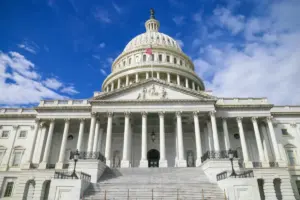
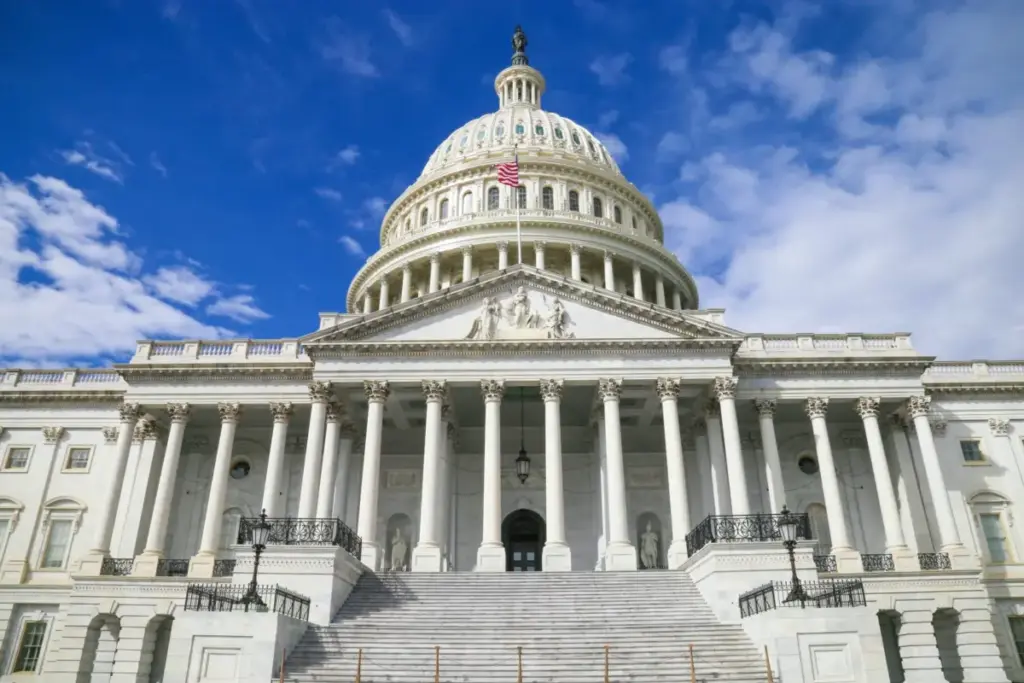
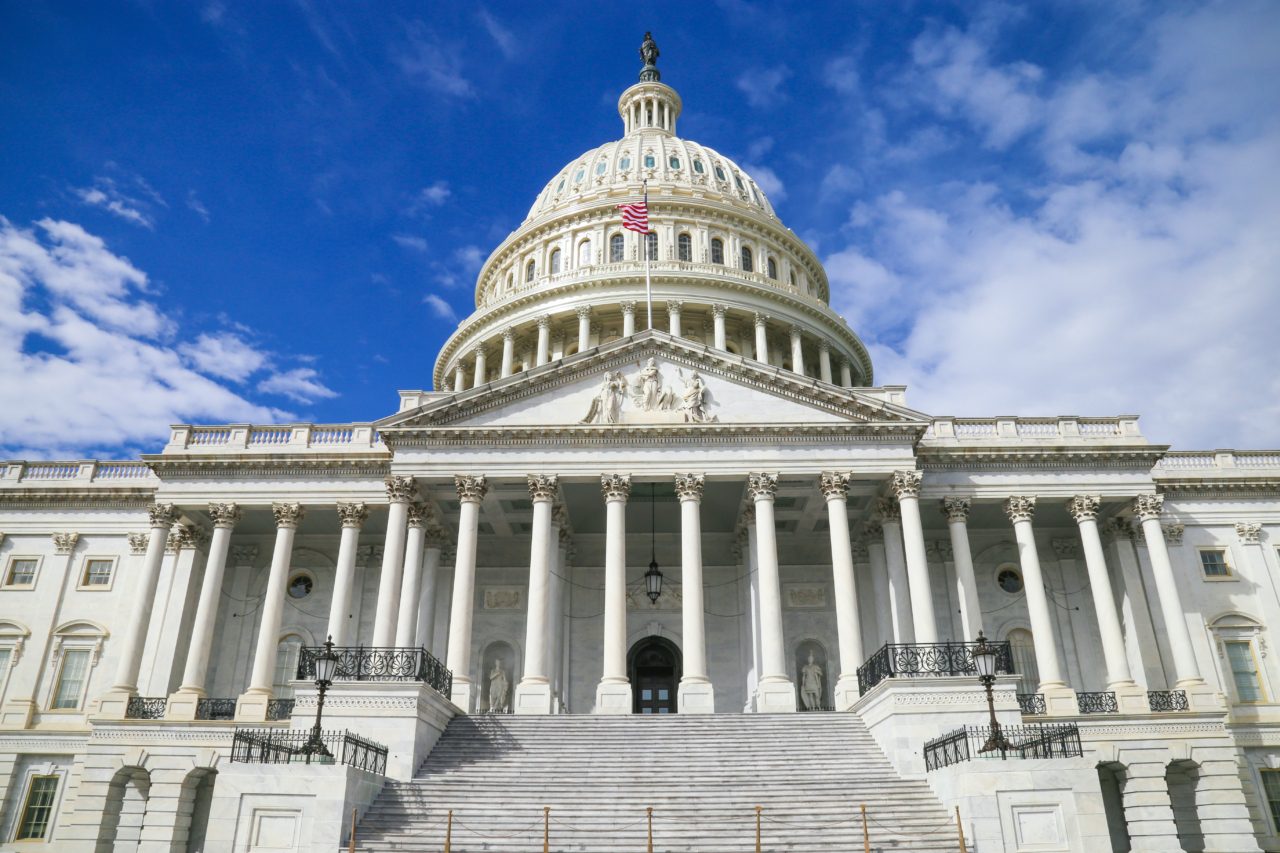
With the release of the federal budget proposal, the focus now shifts from the executive branch to Capitol Hill, where lawmakers will debate, negotiate, and draft the final appropriations bills for fiscal year 2025. The road ahead requires bipartisan cooperation and a shared commitment to prioritizing constituents who do not yet have a political voice of their own: the nation’s babies.
“Now, Congress must work with the Administration to deliver for families and babies,” Calderón concluded. “We look forward to working with Congressional appropriators and our baby champions on the Hill to make these bold proposals a reality.”
As the legislative process moves forward, advocacy organizations, community leaders, and concerned citizens are expected to mobilize in support of the funding measures included in the President’s budget. For ZERO TO THREE and its partners, the ultimate goal remains clear: ensuring that every child in America is given the resources, care, and support necessary to reach their full potential right from the very beginning.