






By Shaun Heasley | September 25, 2026
In a significant push to address long-standing gaps in medical equity, the U.S. Department of Health and Human Services (HHS) announced this week a major new federal initiative aimed at bolstering dental care access for children living with developmental disabilities. The program, which represents a $51 million investment, seeks to transform how health centers across the country approach the unique oral health needs of children with conditions such as autism, Down syndrome, cerebral palsy, and various intellectual disabilities.
The funding is being administered through the Health Resources and Services Administration (HRSA) and will be distributed among 28 designated health centers nationwide. The move comes as a direct response to a persistent crisis in the disability community: families frequently report being unable to find dental providers who are willing or appropriately equipped to treat patients with sensory sensitivities, communication barriers, or complex physical needs. For many parents, the struggle to secure basic dental care has meant waiting months or even years for an appointment, often leaving children with untreated decay, chronic pain, and advanced oral health issues that eventually require invasive surgical intervention.
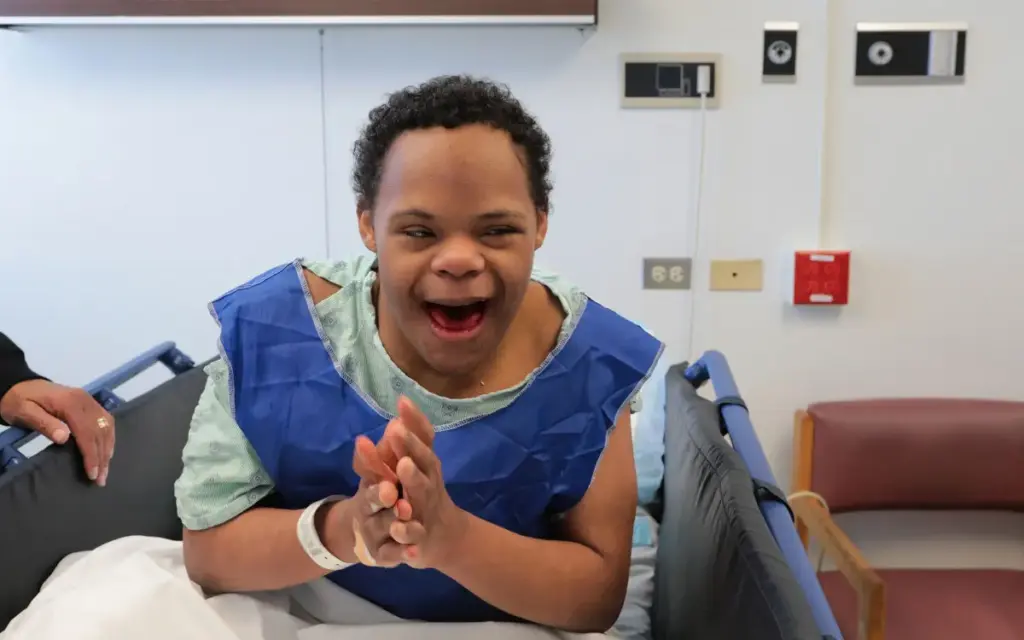
The reality of this struggle was captured in a 2018 case involving Andy Mitchell, a teen with intellectual and physical disabilities. After his parents faced years of rejection from dental practices unable to accommodate his needs, he ultimately required oral surgery at a Chicago hospital to address extensive tooth decay, resulting in 23 fillings and the extraction of eight teeth. His experience serves as a stark reminder of the consequences when the healthcare system fails to bridge the gap between general dentistry and the specialized support required by children with developmental disabilities.
Federal officials acknowledge that this new investment is about more than just funding; it is about creating a systemic shift. Participating health centers are expected to utilize evidence-based models to test innovative approaches that can eventually be scaled and replicated in other communities. By prioritizing preventive care and workforce development, the initiative aims to dismantle the barriers that have historically kept children with developmental disabilities from receiving the same standard of dental care as their peers.
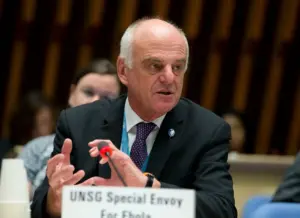
"A parent shouldn’t have to struggle to find a dental provider who is prepared to care for their child," said Tom Engels, administrator of the Health Resources and Services Administration. "This investment will help health centers build the skills, services, and approaches needed to make dental care more accessible and responsive to children and families—and help us learn what works so successful models can reach more communities."
The urgency of the initiative is underscored by data highlighting that children with developmental disabilities face a statistically higher risk of oral health complications. These children are disproportionately prone to tooth decay and gum disease, often exacerbated by a lack of routine screenings. When dental issues are left unaddressed in their early stages, they can progress rapidly, leading to discomfort that may be difficult for non-verbal children to communicate, subsequently impacting their overall quality of life, nutrition, and even social development.
The selection of health centers for this funding was intentional. Because these facilities already provide comprehensive primary care, they are uniquely positioned to integrate dental services into a broader, more holistic model of care. Many of these centers are already experienced in navigating the social determinants of health, such as connecting families with essential resources like transportation, financial assistance, and education. Crucially, these centers operate on a model that provides services regardless of a family’s ability to pay, ensuring that financial barriers do not compound the existing difficulties faced by families of children with disabilities.
Each of the 28 participating health centers will receive up to $2 million to refine their operations and expand their capacity. However, the federal government is also requiring these centers to participate in collaborative learning and evaluation activities. This component of the grant is designed to ensure that the $51 million is not spent in a vacuum. Instead, the results of these localized efforts will be synthesized into a body of knowledge that will help identify best practices—such as specific behavioral management techniques, sensory-friendly clinic environments, and specialized training programs for dental staff—that can be adopted by private and public providers nationwide.
For many years, the dental profession has grappled with the reality that standard clinical environments—which are often bright, noisy, and require high levels of cooperation—can be overwhelming or impossible for many children with autism or other sensory processing differences. The current initiative encourages health centers to rethink the patient experience. This might involve the use of desensitization techniques, allowing for longer appointment times, or employing staff specifically trained in non-traditional communication methods. By fostering an environment that is inclusive from the moment a child enters the office, health centers hope to reduce the anxiety that often prevents families from seeking care in the first place.
This latest federal action follows ongoing advocacy and guidance aimed at improving the medical landscape for the disability community. Earlier this year, for instance, federal guidance was issued to pediatricians to help them better integrate dental health into routine primary care visits for children with developmental disabilities. By training primary care physicians to identify oral health warning signs early, the medical community hopes to intercept problems before they necessitate the kind of emergency hospitalizations that have become all too common for children like Andy Mitchell.
The success of this $51 million initiative will be measured not just by the number of patients seen, but by the sustainability of the models developed. The goal is to create a blueprint for the future where specialized dental care is not a luxury or a rare service found only at select university hospitals, but a standard component of the community-based care model.
As these 28 health centers begin their work, the broader disability advocacy community will be watching closely. The project represents a rare, large-scale federal investment in the intersection of dental health and disability rights. For the families who have long felt ignored by a dental system that was not designed for them, this initiative offers a significant step toward a more equitable healthcare future. By focusing on workforce training, preventive care, and the integration of services, the HRSA hopes to prove that with the right support, the dental health gap can be closed, ensuring that every child, regardless of their developmental profile, has access to the care they deserve.