







WASHINGTON, DC — ZERO TO THREE, the nation’s leading early childhood development nonprofit dedicated to ensuring that all infants and toddlers have a strong and healthy start in life, has expressed strong encouragement regarding President Biden’s proposed fiscal year 2025 budget. The organization highlighted that the federal spending plan incorporates essential and much-needed funding for programs designed to build a solid foundation for young children and families across the United States.
The release of the federal budget follows closely on the heels of the President’s recent State of the Union address, where the administration outlined a vision for empowering families and expanding choices for the future of their children. According to advocates, the newly proposed budget translates that broader vision into concrete policy proposals, addressing critical facets of early childhood development, parental support, and family stability.
A Vision for Better and Fairer Family Life
Miriam Calderón, Chief Policy Officer at ZERO TO THREE, emphasized the profound impact the proposed investments could have on households nationwide if successfully enacted into law.

"If implemented, President Biden’s budget released today will make our nation a better and fairer nation to have and raise a baby," Calderón stated. "ZERO TO THREE has urged Congress and the Administration to prioritize the needs of babies and their families in five key areas: maternal health, infant and early childhood mental health, child care, housing, and economic security."
Calderón noted that the administration’s blueprint directly aligns with the organization’s ongoing advocacy efforts, which emphasize that the earliest years of a child’s life are foundational for lifelong health, learning, and emotional well-being. By targeting resources toward these specific pillars of family support, the budget attempts to address systemic vulnerabilities that have historically affected low-income households and communities of color disproportionately.
Five Key Areas of Focus for Infants and Toddlers
The endorsement by ZERO TO THREE centers heavily on the multifaceted approach of the fiscal year 2025 budget, which touches upon several interconnected aspects of early childhood infrastructure and family well-being.
Maternal health remains a paramount concern for child development advocates. Disparities in maternal mortality and morbidity in the United States have persisted as a public health crisis, with profound implications for infant outcomes. Investments proposed within the budget aim to expand access to comprehensive prenatal and postpartum care, address implicit bias in healthcare settings, and extend critical health coverage to mothers during the crucial first year postpartum.
In tandem with maternal health, infant and early childhood mental health has gained increasing recognition from developmental experts. Supporting the emotional and psychological well-being of the youngest children requires specialized interventions, professional training for pediatric providers and educators, and mental health consultation services embedded within early learning environments. Advocates stress that addressing trauma and emotional distress in infancy prevents long-term behavioral and cognitive challenges later in life.

Child care infrastructure forms another cornerstone of the administration’s proposal. For millions of working parents, the cost and availability of high-quality child care present staggering hurdles that can limit workforce participation and destabilize family finances. The proposed budget seeks to expand access to affordable, high-quality child care and pre-kindergarten options, while also supporting the compensation and professional development of the early childhood workforce, which has faced severe staffing shortages and low wages for years.
Housing stability and broader economic security are equally vital to the ecosystem of early childhood development. Chronic housing instability, homelessness, and poverty create toxic stress environments that physically alter developing brains in young children. By reinforcing economic safety net programs—such as nutrition assistance, tax credits, and affordable housing initiatives—the federal budget aims to lift families out of poverty and provide a stable backdrop against which children can grow and thrive.
The Path Forward in Congress
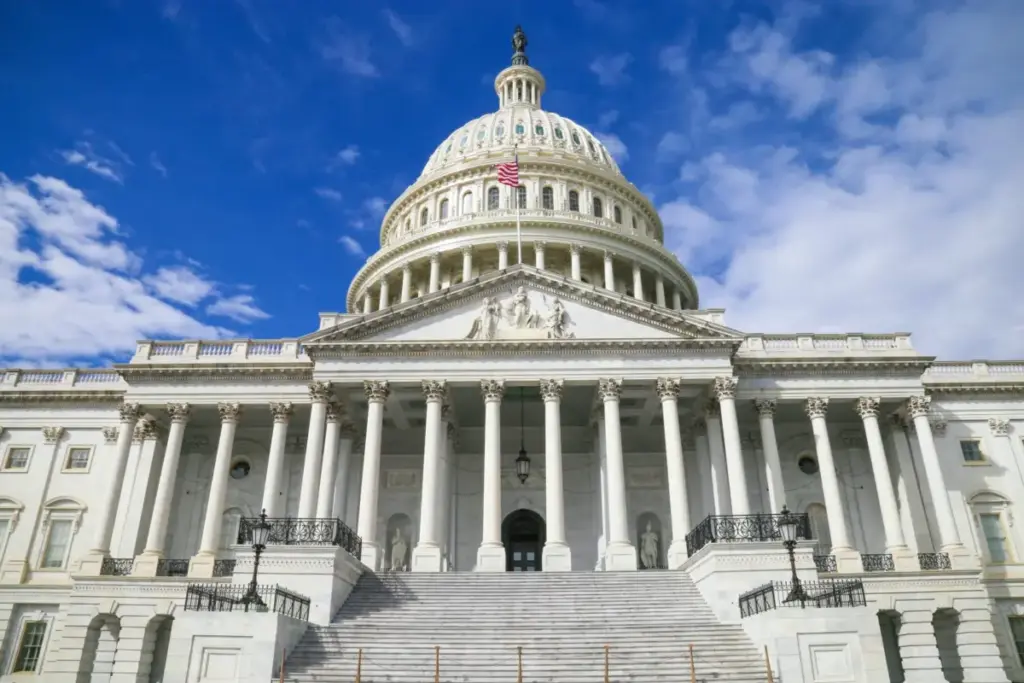
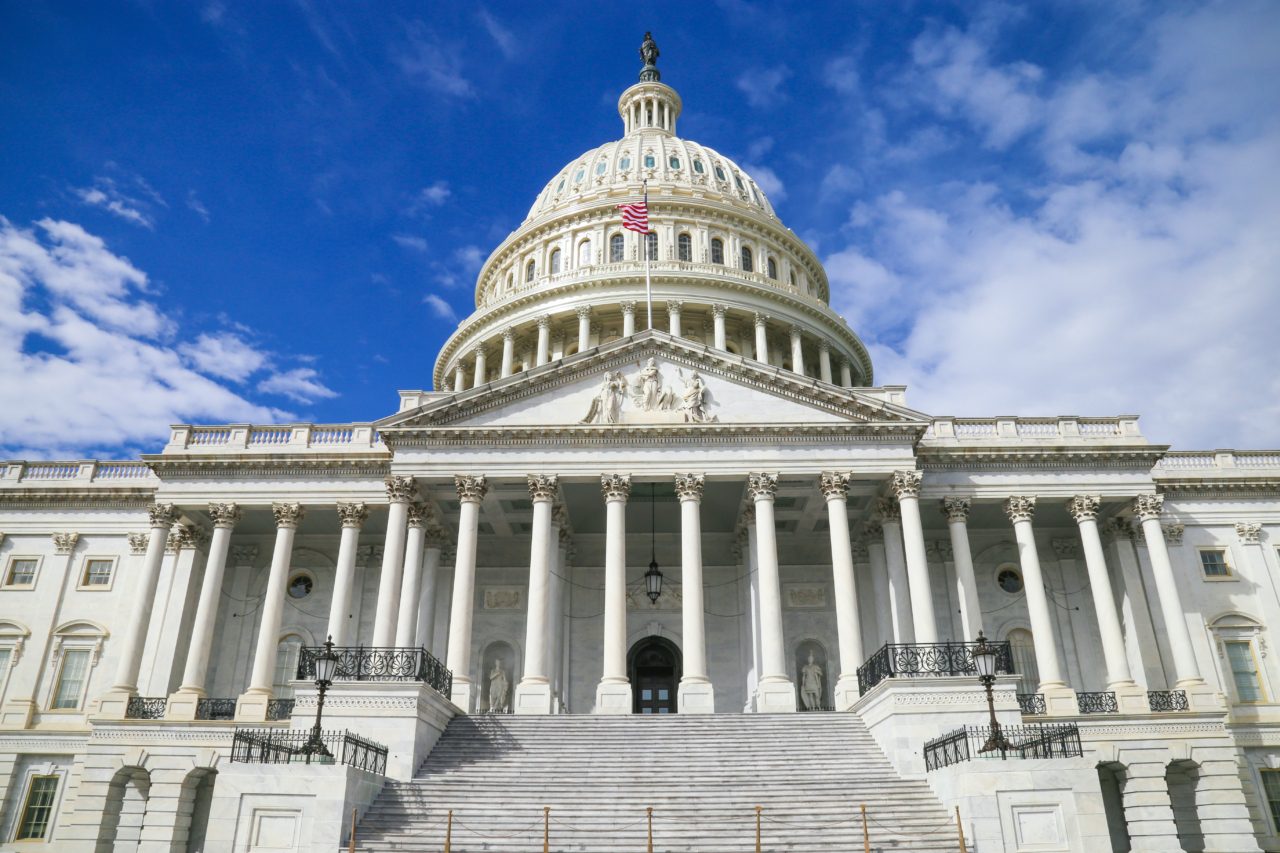
With the release of the President’s budget blueprint, the legislative focus now shifts to Capitol Hill, where lawmakers will debate, modify, and eventually vote on spending bills for the upcoming fiscal year. ZERO TO THREE has made it clear that advocacy efforts will intensify as the appropriations process moves forward.
"Now, Congress must work with the Administration to deliver for families and babies," Calderón emphasized, outlining the next steps for the nonprofit and its allies. "We look forward to working with Congressional appropriators and our baby champions on the Hill to make these bold proposals a reality."

The organization maintains that investing in infants and toddlers is not merely a social welfare objective, but an economic imperative that yields significant long-term returns for society. As bipartisan discussions continue in Congress, child advocates across the country are urging legislators to look past partisan divisions and prioritize the needs of the nation’s youngest and most vulnerable citizens.
For more information on the federal budget proposals and ZERO TO THREE’s ongoing initiatives supporting infants, toddlers, and their families, stakeholders and members of the public can visit the organization’s official website or consult resources provided through their ongoing state-by-state data campaigns.