







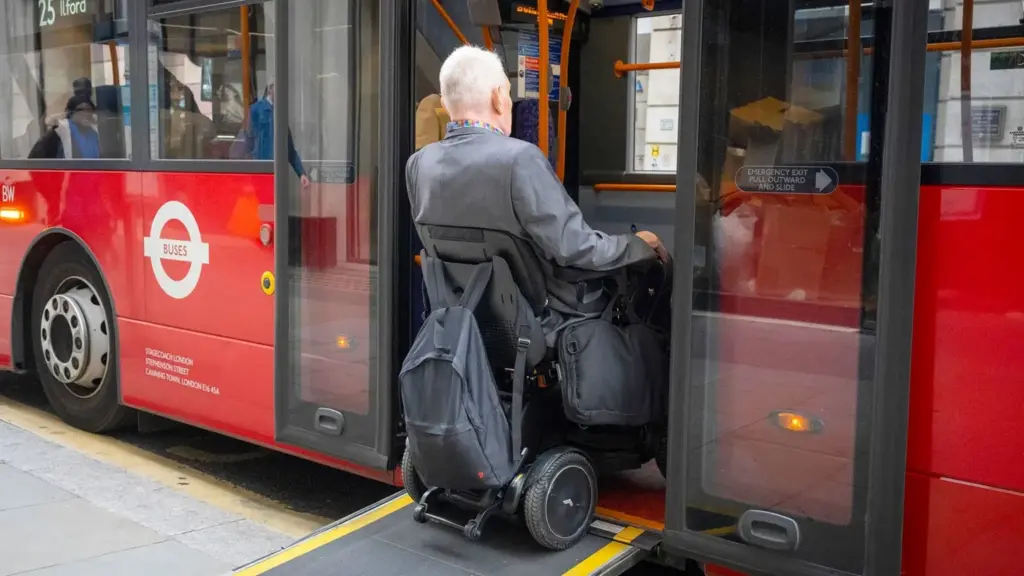
Starting April 1, disabled people across England will be able to travel by bus for free at any time of day, marking a monumental shift in the country’s public transportation accessibility. Previously, free bus passes were strictly restricted to off-peak hours on weekdays, typically limited to the window between 09:30 and 23:00. This historical time constraint created substantial barriers for pass holders attempting to commute to standard morning jobs, arrive early for professional responsibilities, or attend early academic lectures and late-night cultural or social events.
The complete removal of these time limits will directly benefit an estimated one million people nationwide, fundamentally transforming the national bus network from a restricted daytime convenience into a true full-time lifeline. By removing the threat of unexpected peak-fare charges during early morning hours, the policy aims to integrate disabled individuals more fully into the economic and social fabric of daily life.
This progressive policy follows a highly successful trial period implemented within Greater Manchester’s integrated public transit framework, known as the “Bee Network.” The regional trial demonstrated that lifting time restrictions did not destabilize local transit operations, but instead provided essential flexibility for riders with diverse schedules. Furthermore, the nationwide rollout responds directly to years of persistent campaigning by prominent disability rights organizations, including Scope and Transport for All.
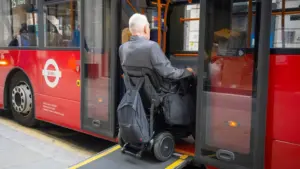
Advocates have enthusiastically celebrated the move for dismantling what they have long criticized as an unfair “postcode lottery,” where the validity and utility of a concessionary bus pass heavily depended on arbitrary local council rules and regional funding variations. Despite this major victory, advocacy organizations have emphasized that this reform is merely one vital step forward. They note that eligibility requirements across different local authorities still require broader standardization to ensure true equity nationwide, regardless of where a person happens to reside.
To secure the long-term viability and make the program permanent, the £60 million scheme is being funded jointly through a collaborative effort between the Department for Transport and the Department for Work and Pensions. Government officials have framed the landmark reform as an essential workforce participation and cost-of-living initiative. This policy initiative aligns seamlessly with existing national transit measures, such as the ongoing nationwide £2 single-fare cap, and successfully brings England into alignment with similar 24/7 concessionary transit programs that have been successfully operating in Scotland and Wales for years.
Global Takeaways: How Other Countries Can Make Accessible Commuting Possible
Making daily commuting accessible and affordable for disabled citizens requires a careful and deliberate combination of advanced policy design, reliable digital systems, and targeted public investment. As nations around the world grapple with rising urban transportation costs and the ongoing imperative to make public infrastructure inclusive, the English reform offers a clear window into how modern transit systems can adapt to better serve marginalized populations.
Why Was the UK Able to Do It?
The ability of the United Kingdom to enact this nationwide shift stems from a combination of robust central government intervention, coordinated funding models, and sustained advocacy pressure. By pooling resources from both the Department for Transport and the Department for Work and Pensions, the government was able to absorb the projected financial impact across a £60 million funding envelope. Furthermore, the groundwork laid by regional pilot programs, such as Greater Manchester’s "Bee Network," provided empirical evidence that expanding access is administratively feasible and socially beneficial. This top-down political commitment, paired with grassroots activism from organizations like Scope and Transport for All, created an environment where long-standing systemic barriers could be officially dismantled.
Does It Depend on Existing Infrastructure?
Yes, heavily. Free transit passes only work if the public transport network is physically and technologically accessible. Concessionary fare policies cannot succeed in isolation; they rely intrinsically on a foundation of accessible infrastructure. This includes ensuring that bus fleets are universally equipped with functional wheelchair ramps, audible and visual next-stop announcement systems, priority seating areas, and well-maintained boarding platforms. Additionally, digital ticketing infrastructure, real-time vehicle tracking, and driver disability awareness training are essential components that turn a theoretical right to travel into an everyday reality. Without these foundational physical and technological elements, offering a free pass does little to solve the practical mobility challenges faced by disabled passengers.
What Is Needed to Make Commuting Affordable for People with Disabilities?
Achieving true affordability and accessibility in public commuting requires a multifaceted approach that extends far beyond the mere elimination of ticket prices. First, governments must establish universal concessionary frameworks that eliminate regional disparities, ensuring that a transit pass holds equal value regardless of geographical boundaries. Second, long-term funding streams must be legally guaranteed to protect transit authorities from budgetary shifts that could threaten concessionary programs during economic downturns. Third, policymakers must actively consult with disability advocacy groups and everyday transit users to identify hidden operational barriers, such as complex application processes, confusing eligibility criteria, or a lack of reliable transit service in rural and suburban communities. By integrating financial relief with structural accessibility improvements, public transit systems can genuinely become inclusive spaces for all members of society.