





In a significant breakthrough for neuro-oncology, scientists at the University of California, San Francisco (UCSF) have engineered a sophisticated new form of immune cell therapy capable of activating only upon entering the brain. This "smart" treatment is designed to bypass the limitations of conventional therapies, offering a potential lifeline for patients suffering from diffuse midline glioma (DMG), an aggressive and almost universally fatal form of childhood brain cancer. By ensuring that the immune cells remain dormant elsewhere in the body and activate solely within the central nervous system, researchers have achieved a level of precision that could transform the management of some of the most difficult-to-treat tumors.
The findings, published on October 28 in the journal Science Translational Medicine, detail how this experimental therapy—dubbed B-SYNC CAR-T—successfully eliminated DMG tumors in mouse models. Beyond the initial clearance of the disease, the treatment demonstrated a remarkable capacity for "immunological memory," providing lasting protection against the recurrence of the cancer. When researchers reintroduced malignant cells into the treated mice several weeks after the initial therapy, the engineered immune cells identified and neutralized the threat, effectively preventing the development of new tumors.
The Challenge of Diffuse Midline Glioma
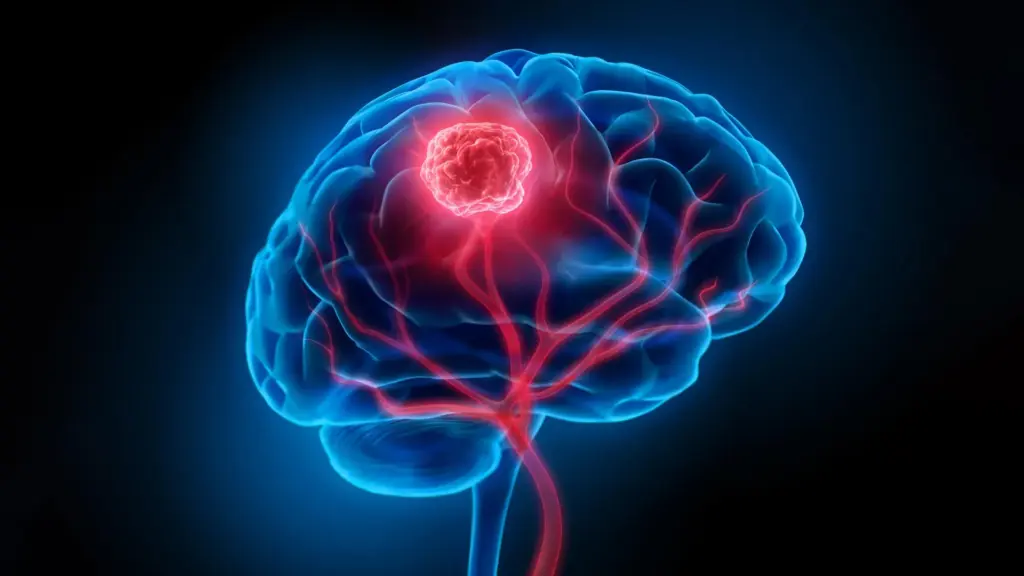
Diffuse midline glioma represents one of the most formidable challenges in pediatric medicine. The tumor typically develops in the brainstem, a critical anatomical structure responsible for governing essential physiological functions, including breathing, heart rate, and the ability to swallow. Because of its location, the cancer is often surgically inaccessible, and its aggressive growth pattern means it frequently infiltrates surrounding healthy brain tissue.
Current therapeutic options for DMG are notoriously limited. Nearly all children diagnosed with the disease succumb to it within one year, and existing medical interventions—including chemotherapy and radiation—have shown little efficacy in halting its rapid progression. The development of B-SYNC CAR-T provides a new, targeted strategy that aims to overcome the traditional obstacles associated with treating brain-based malignancies.
Engineering a Smarter CAR-T System
Conventional CAR-T (chimeric antigen receptor T-cell) therapy has been a milestone in modern oncology. By genetically modifying a patient’s own T cells to express receptors that recognize specific proteins on cancer cells, clinicians have been able to trigger a potent immune response. While this approach has seen success in treating certain blood cancers, it has struggled to gain traction against solid tumors in the brain.
The B-SYNC therapy is the culmination of years of collaborative research by Hideho Okada, MD, PhD, a professor of Neurological Surgery at UCSF, and Wendell Lim, PhD, a professor of Cellular and Molecular Pharmacology. Their objective was to refine immune cell therapy so that it could recognize and destroy brain tumors with surgical precision, minimizing the collateral damage often associated with systemic immune activation.
This latest development builds upon a previous platform called E-SYNC, which the team reported in 2021 as a potential treatment for glioblastoma, another highly aggressive brain cancer. The E-SYNC system utilized a molecular sensing technology known as "synNotch" to detect a specific mutated protein called EGFRvIII. Upon identifying this marker, the synNotch receptor directed the T cell to produce a CAR designed to target two additional tumor-associated proteins: EphA2 and IL13Rα2.
While E-SYNC demonstrated the power of a two-step activation process, it suffered from a significant limitation: only about 20% of patients carry the EGFRvIII mutation. Furthermore, tumors are notoriously heterogenous and can lose this protein over time, allowing the remaining cancer cells to evade detection. To create a more universal therapy, the UCSF team sought a signal that was not dependent on a rare or transient mutation, but rather one that was consistently present in the brain environment itself.
A Molecular Switch Activated by the Brain
The breakthrough came when researchers identified "brevican," a protein that is naturally and widely distributed throughout the brain. By redesigning the synNotch system to respond to brevican, the team ensured that the engineered T cells would only activate their cancer-killing machinery upon entering the brain’s unique microenvironment.
Once the B-SYNC T cells detect the presence of brevican, they are triggered to produce receptors that hunt for the tumor-associated proteins EphA2 and IL13Rα2. Because these proteins are commonly expressed in both glioblastoma and DMG, the therapy has the potential to treat a much wider array of patients than the earlier E-SYNC iteration. By shifting the "activation trigger" from a tumor-specific mutation to a location-specific protein, the researchers effectively turned the brain itself into a catalyst for the immune response.
Senthilnath Lakshmanachetty, PhD, a postdoctoral researcher in Dr. Okada’s laboratory, led the experimental efforts to test this hypothesis. In laboratory trials, researchers administered B-SYNC CAR-T cells intravenously to mice implanted with human DMG cells. The cells successfully migrated through the bloodstream and into the brain, where they began producing their CAR receptors and initiating an attack on the tumor. Crucially, the cells circulating in the blood and those residing in the spleen remained inactive, validating the team’s design for a localized response.
Superior Results in Animal Models
The efficacy of the B-SYNC therapy was most apparent when the researchers compared delivery methods. While intravenous administration was effective, delivering the cells directly into the brain’s fluid-filled ventricles—a process known as intracerebroventricular (ICV) injection—produced even more striking results. In two different mouse models of human DMG, this approach resulted in the total eradication of the tumors, a feat that conventional CAR-T therapies were unable to replicate.
Perhaps most encouraging was the durability of the response. The immune cells did not merely destroy the initial tumor; they remained vigilant. Nearly two months after the initial treatment, mice that had been cleared of their tumors remained resistant to new challenges from DMG cells. Observations indicated that the engineered T cells remained functional for over 70 days, a longevity that the researchers attribute to the prevention of "T cell exhaustion."
T cell exhaustion occurs when immune cells are kept in a state of constant, chronic activation, which can eventually diminish their ability to fight cancer. By keeping the CAR-T cells in a "dormant" state until they reach the brain, the B-SYNC system preserves their potency, ensuring they are fully energized when they finally encounter the tumor.
"We didn’t expect B-SYNC CAR-T cells to necessarily persist," Dr. Lakshmanachetty noted. "But they are still patrolling for cancer over 70 days out—and they’re still very functional."
Moving Toward Clinical Trials
Given the overwhelming success observed in the laboratory, the UCSF team is now moving rapidly to prepare for human clinical trials. Dr. Okada, Dr. Lim, and Dr. Lakshmanachetty are currently working alongside a team of UCSF specialists to transition the therapy from the lab bench to the clinic. The proposed trial, which is currently slated to begin as early as April 2027, will involve taking each patient’s own T cells and genetically modifying them to express the B-SYNC machinery.
The clinical program will be led by UCSF physicians Marie Jaeger-Krause, MD, and Sabine Mueller, MD, PhD. The researchers intend to evaluate various delivery methods, including both intravenous and direct ICV administration. For patients undergoing the direct-to-brain treatment, surgeons plan to implant a specialized shunt that connects the ventricles to a reservoir under the scalp. This device will allow doctors to administer repeated doses of the engineered cells without the need for repeated, invasive neurosurgeries.
For the medical community, the prospect of B-SYNC represents a rare glimmer of hope in the fight against a diagnosis that has historically been considered untreatable. Dr. Sabine Mueller, director of the UCSF Pediatric Brain Tumor Center and a key figure in the Pediatric Neuro-Oncology Consortium, emphasized the profound impact this could have on patient care.
"Diffuse midline glioma is a heartbreaking diagnosis for patients and their families," Dr. Mueller said. "This preclinical data is very promising. Mice with DMG are being cured, and we are incredibly excited to bring this therapy to the children and young adults we care for. This is exactly the kind of innovative approach they deserve."
While the path from successful animal testing to human clinical outcomes is complex, the scientific community is optimistic that the B-SYNC platform’s ability to "turn on" only where it is needed could solve the long-standing problem of CAR-T cell toxicity and ineffectiveness in brain tumors. As the 2027 trial date approaches, the UCSF team continues to refine their approach, fueled by the evidence that a more intelligent, targeted immune response may finally be capable of overcoming the deadliest of childhood brain cancers.