By Michelle Diament
October 16, 2026
For many children diagnosed with autism spectrum disorder, traditional clinical environments—often characterized by sterile rooms, structured tasks, and intense one-on-one observation—can sometimes prove overwhelming or difficult to navigate. However, a growing body of evidence suggests that shifting the therapeutic focus to the outdoors, specifically into the presence of horses, may offer a powerful, alternative path for fostering development. According to new research published this month in the journal Pediatrics, spending time around horses, and specifically participating in therapeutic horseback riding, can yield significant improvements in hyperactivity, emotional regulation, and social skills for children with autism.
The study, which examined 236 children between the ages of 6 and 16, provides some of the most compelling evidence to date regarding the efficacy of equine-assisted activities. All participants in the study were diagnosed with autism and also struggled with co-occurring psychiatric conditions, which often complicate the efficacy of traditional behavioral interventions. By isolating the effects of therapeutic riding against other barn-based activities, researchers were able to draw clear conclusions about how these interactions influence behavioral outcomes in youth.

A Structured Approach to Equine Therapy
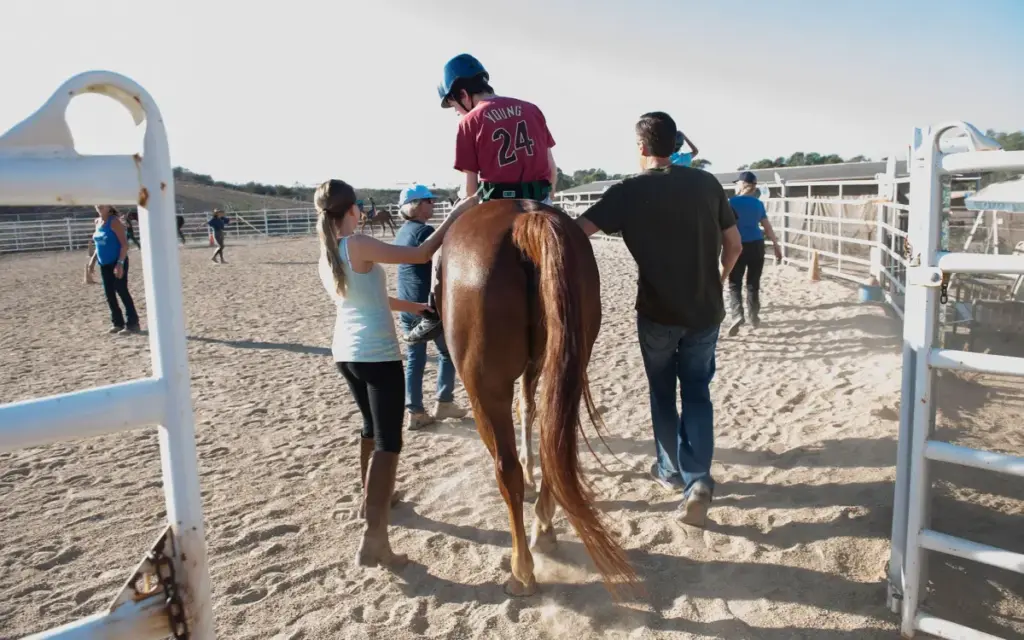
The research design was robust, ensuring that the findings were not merely anecdotal. The 236 children involved in the study were assigned to one of several experimental groups. One group participated in a structured therapeutic horseback riding program, attending weekly sessions for a duration of 10 weeks. A second group was placed in a "barn activity" program; these children spent time in the barn environment, observing and being around horses, but they did not engage in direct riding or the physical demands associated with horsemanship. A third group acted as a control or "waitlist" cohort, undergoing a period of anticipation before transitioning into five weeks of barn activities, followed by five weeks of active riding lessons.
By comparing these groups, researchers were able to distinguish between the general calming effect of the barn environment—such as the sensory experience of being outdoors and the presence of large, calm animals—and the specific, neurological, and physical benefits of the act of riding itself.
The findings, published in Pediatrics, revealed that both the riding program and the barn activity programs led to a measurable and significant reduction in irritability and hyperactivity among the participants. Additionally, parents and researchers noted marked improvements in the children’s emotional regulation and their capacity for social interaction. While both interventions showed success, the study noted a distinct advantage to the riding component. Specifically, the researchers observed that the greatest impact on hyperactivity—a common and often debilitating challenge for children with autism—was seen among those who participated in the riding group.
The Unique Connection Between Rider and Horse
Robin Gabriels, a professor of psychiatry at the University of Colorado and the lead researcher of the study, suggests that the physical act of riding a horse provides a unique sensory and physiological experience that is difficult to replicate in a clinic.
"There is something about riding a horse that is particularly helpful for kids with hyperactivity," Gabriels explained. The rhythmic movement of the horse, the requirement for balance, and the necessity of focusing on the animal’s needs all appear to create a state of "engaged presence." For children who often struggle with executive function or the ability to remain still, the horse acts as a dynamic partner that requires constant, gentle feedback, thereby grounding the child in the present moment.
Beyond the physical movement, the social aspect of the activity cannot be understated. Interacting with a large animal that responds to subtle cues—such as a shift in body weight, a change in voice, or a touch—provides a low-pressure, highly rewarding social feedback loop. For children who may find human-to-human interaction confusing or anxiety-inducing, the horse serves as a bridge, offering an opportunity to practice social communication and emotional response in a way that feels safer and more intuitive.
Integrating Equine Therapy into Broader Care
While the results are promising, the researchers are careful to frame these findings as a supplement to existing treatments rather than a universal replacement. They emphasize that horseback riding is not necessarily the right fit for every child on the spectrum. Individual sensory sensitivities, physical abilities, and personal comfort levels with animals are all factors that parents and clinicians must consider when evaluating whether to incorporate equine therapy into a child’s care plan.
However, for those who are candidates for such programs, the potential benefits are substantial. As Gabriels noted, "Working with horses gives these kids a chance to do something active, social, and engaging. For some children, that may be a particularly effective way to help them develop skills that can be difficult to teach in a traditional clinical environment."
The ability to translate these skills—such as waiting for a turn, following directions, managing emotions, and engaging in reciprocal interaction—from the barn to the home or classroom is the ultimate goal of such therapies. By leveraging the natural affinity many children have for animals, therapeutic riding programs offer a holistic approach that targets the whole child, rather than focusing solely on the reduction of specific symptoms.
Implications for Future Support
As the medical community continues to explore non-traditional and integrative therapies for autism, studies of this caliber provide the necessary data to justify the inclusion of these programs in broader treatment strategies. The success of the barn activity groups suggests that even for children who may not be ready to ride, simply being in the environment can provide a therapeutic "reset" that helps stabilize behavior and mood.
For families seeking to support their children through the challenges of autism, this research offers a clear, evidence-based avenue for exploration. As advocacy for more inclusive and diverse therapeutic options continues to grow, findings like those from the University of Colorado team highlight the importance of looking beyond the clinic walls to find effective, engaging, and meaningful ways to improve the quality of life for children with developmental disabilities. Whether through the focused, rhythmic discipline of riding or the quiet, grounding influence of the barn, the bond between child and horse continues to prove its value as a powerful tool in the developmental toolkit.