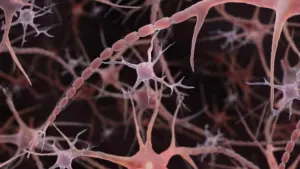









Microglia, the resident immune sentinels of the central nervous system, have long been recognized for their defensive roles. As the brain’s most abundant immune cells, they serve as the first line of defense against pathogens, scavengers that clear away cellular debris and damaged neurons, and essential architects that support the intricate scaffolding of brain development. Now, a groundbreaking study from researchers at Columbia University’s Zuckerman Institute has revealed a profound, previously unknown characteristic of these cells: human microglia, much like human neurons, undergo a maturation process that is remarkably slower than that of any other animal studied to date.
This discovery, published in the journal Neuron, suggests that the "slow-motion" development of these immune cells is not an accident, but a critical evolutionary adaptation. By extending the window during which these cells reach maturity, the human brain may be afforded the flexibility and precision required to build its uniquely powerful cognitive architecture.
"This slow development may help human microglia influence the human brain in ways that enable our powerful cognitive abilities," said Carlos Diaz-Salazar, PhD, the lead author of the study, who conducted this research while working in the laboratory of Franck Polleux, PhD, at the Zuckerman Institute. The findings offer a new lens through which scientists can view the evolution of the human brain, highlighting the complex, synchronized maturation of different cell types that together define human intelligence.

A Human-Specific Gene With an Unusual Role
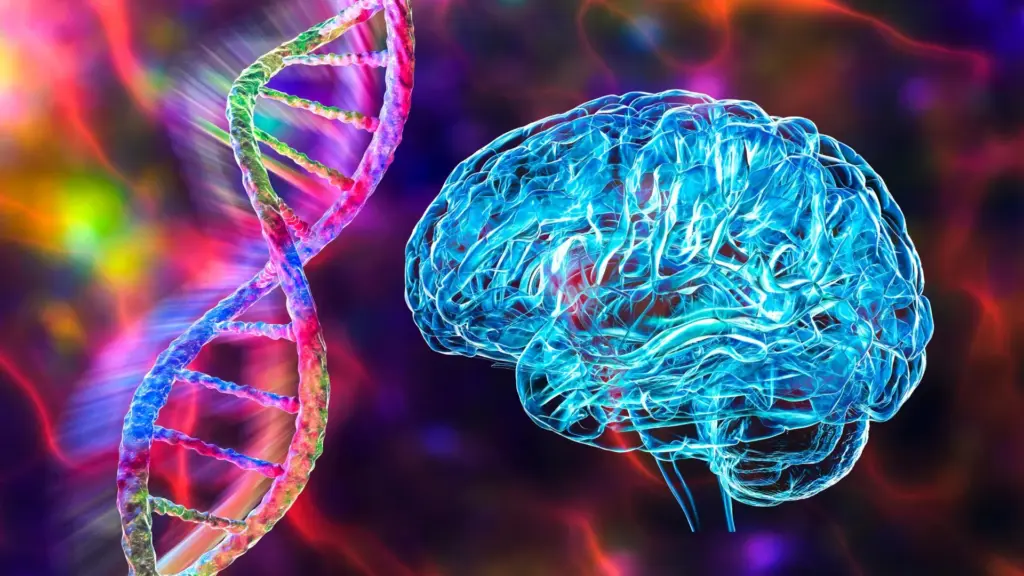
For over 15 years, the Polleux lab has been dedicated to unraveling the mystery of SRGAP2, a gene that underwent a series of duplications specifically in the human lineage. This gene is part of a small, select group of genetic elements that distinguish the human brain from those of other primates and mammals. The lab’s overarching objective is to identify the biological mechanisms that account for the unique, superior capacity of the human brain to process information and store complex memories.
Previous research conducted by Dr. Polleux established that human-specific copies of SRGAP2 play a pivotal role in shaping the physical structure of the brain. The gene increases the density of synapses—the critical junctures where neurons communicate—while simultaneously delaying their maturation. This developmental lag is a hallmark of human neurobiology, contrasting sharply with the rapid development seen in other mammals. By keeping synapses in a nascent state for a longer period, SRGAP2 allows for a more complex and robust network of neuronal connections, theoretically enhancing the brain’s computational power.
However, the recent investigation led by Dr. Diaz-Salazar took an unexpected turn. While analyzing the expression patterns of these human-specific gene copies, the team discovered that SRGAP2 was present in microglia at levels nearly 10 times higher than in neurons.
"So the question was, ‘Why on Earth is this gene so active in microglia?’" recalled Dr. Polleux, a principal investigator at the Zuckerman Institute. This surprising abundance suggested that the role of SRGAP2 was far more expansive than previously imagined, extending well beyond the neuronal framework and into the brain’s immune system.
Microglia Help Shape Developing Brain Circuits
To understand why a gene associated with neuronal architecture would be so prevalent in immune cells, it is necessary to consider the evolving role of microglia. Over the last two decades, neuroscience has undergone a paradigm shift regarding these cells. Once thought of primarily as "brain janitors" that react only to injury or infection, microglia—which comprise roughly 5 to 10 percent of the brain’s total cell population—are now understood to be active participants in the construction of neural circuits.
During the critical periods of brain development, microglia act as mediators of connectivity. They monitor the synaptic landscape, actively deciding which connections are to be preserved and which are to be pruned. By selectively eliminating or strengthening synapses, they function as master fine-tuners of communication within the brain. This activity is vital for the proper formation of cognitive circuits, ensuring that the brain remains organized and efficient.
In their new study, the researchers utilized both mouse models and human cell lines to observe the effects of SRGAP2. The results were striking: the presence of human-specific SRGAP2 copies caused a dramatic deceleration in the development of human microglia. While murine microglia reach full functional maturity in approximately three weeks, the human counterparts undergo a protracted maturation process that lasts between four and eight years.
"This gene helps control the developmental tempo of neurons, and nature has also selected it to control the development of microglia that are so crucial to neuron development, so they are in sync during development," explained Dr. Diaz-Salazar, who now continues his research at the Hospital del Mar Medical Research Institute in Barcelona. The synchronization suggests an evolutionary strategy wherein the immune cells are kept in a juvenile, more plastic state to match the extended developmental window of the neurons they help shape.
Why the Human Brain Takes So Long To Mature
The human brain is characterized by a long, slow developmental trajectory that persists well into adulthood. This phenomenon, known as neoteny, is widely believed to be the foundation of our advanced cognitive abilities. By extending the period of growth, the human brain remains open to environmental input and structural refinement for a much longer time than other species.
The discovery that SRGAP2 acts as a common denominator in the developmental timing of both neurons and microglia provides a new perspective on how this extended timeline is orchestrated. It appears that the brain utilizes the same genetic tools to coordinate the maturation of diverse cell types, ensuring that the structural, functional, and immunological components of the brain develop in a unified, slow-paced manner.
Looking ahead, the researchers are focused on uncovering the molecular mechanisms that allow SRGAP2 to exert such broad control over cellular development. They intend to map the specific pathways through which this gene promotes neoteny, not only in the cortex but across various regions of the brain. By deconstructing these processes, the team hopes to gain a deeper appreciation for the evolutionary trade-offs that have made the human brain both unique and vulnerable.
"We want to understand all the elements that help make up the human brain to understand what makes us unique from an evolutionary standpoint," said Dr. Polleux.
Furthermore, the implications of this work extend into the clinical realm. As recent scientific literature has increasingly implicated dysfunctional microglia in a wide range of neurodevelopmental disorders, such as autism, and neurodegenerative conditions, including Alzheimer’s disease, understanding the "normal" developmental timeline of these cells is essential. By defining the unique properties of human microglia, the researchers have moved the scientific community one step closer to understanding how these cells might malfunction in the context of disease, potentially opening doors for novel therapeutic approaches that target the developmental mechanisms of the brain’s immune system. Through this work, the mystery of the human brain’s complex maturation becomes slightly clearer, revealing a delicate, finely tuned orchestration of biology that has allowed humans to develop the most sophisticated cognitive faculties in the known world.