





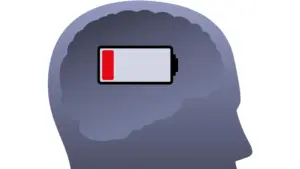


When psychological research examines coping mechanisms, it frequently focuses on the conscious choices individuals make when facing taxing or stressful situations. According to the American Psychological Association, coping involves utilizing cognitive and behavioral strategies to manage demands that exceed a person’s resources, while simultaneously attempting to mitigate negative emotions and conflict. Academic literature routinely draws a stark line between adaptive strategies—such as active problem-solving, resilience, and healthy distractions—and maladaptive behaviors like avoidance, resignation, and trivialization.
However, a critical gap often exists between theoretical psychological research and the harsh reality of living through a major medical crisis. For individuals navigating an acquired brain injury (ABI), the capacity to employ active coping strategies is not merely a matter of willpower or personality. Because brain injuries frequently impair affect, emotional control, and core cognitive faculties, they systematically dismantle the internal resources required for healthy adaptation.
This friction between academic models and real-world recovery is vividly illustrated through personal experience and clinical observations. Research highlights that patients with ABI who lean into active, problem-oriented coping face their conditions with greater resilience, higher self-efficacy, and fewer reported symptoms. Conversely, those forced into cognitive deficits find themselves stripped of the very tools that once sustained them, steering them toward instinctive, often unhealthy substitutes.

Pre-Injury Coping Strategies and the Destruction of Flow
Prior to sustaining a brain injury, a person’s primary stress management technique often relies on established cognitive habits. For many, that mechanism is reading. Reading operates on a dual level, providing both a healthy form of distraction—allowing the mind to escape into another world—and active engagement, such as accumulating knowledge about a specific topic, learning how others overcome adversity, and finding pathways back into societal integration.
Activities that enable a person to enter "flow"—a deeply focused, intrinsically rewarding state—rely heavily on integrated cognitive functions, including sustained attention, working memory, and automaticity. When an acquired brain injury strips away these cognitive capabilities, entering flow becomes virtually impossible. Long-held skills dissolve, and the brain can no longer reliably retain habits or execute complex, multi-step routines. Without the capacity for complex mental engagement, individuals are inevitably pushed toward coping strategies that demand minimal cognitive skill and require zero memory retention.
Post-Injury Maladaptive Coping and Dietary Challenges
Faced with a sudden deficit in higher-order cognitive resources, survivors often fall back on the simplest available mechanisms to numb physical and psychological pain. In many cases, this manifests as emotional eating—frequently turning to accessible comfort foods, such as organic dark chocolate, during moments of distress.
Unlike reading or watching television, which can provide sustained distraction for hours, eating offers only momentary relief. This fleeting distraction necessitates constant repetition, which can rapidly jeopardize overall physical health. This dynamic created severe complications for survivors managing chronic health conditions. Following a diabetes diagnosis, physicians often prescribe strict dietary regimens, such as low-glycemic eating plans. Yet, a resilient personality cannot compensate for a neurological injury that impairs memory and executive function. If a survivor previously followed a healthy diet but forgot the habit post-injury, and no one in their daily life steps in to remind them, the routine collapses.
Standardized professional responses frequently fail to account for the isolated patient trying to navigate these invisible hurdles. Healthcare providers may issue dietary instructions once, assuming that a capable or articulate patient will retain and execute the advice independently, without requiring ongoing support or reinforcement.
While specialized professional intervention—such as working with a knowledgeable physical trainer or medical specialist—can temporarily realign a survivor’s diet and exercise habits, maintaining those gains proves exceptionally difficult over the long term. High baseline stress levels, combined with impaired executive functioning, mean that simple household tasks, such as baking, can blur the line between productive distraction and maladaptive temptation. Even when baking serves as a cognitive exercise, the resulting sweets remain readily accessible, turning a creative outlet into a persistent dietary challenge. While passive strategies like watching television can mitigate neuro-fatigue, they rarely offer a life-affirming or productive substitute for active engagement.
Regaining Skills and Adaptive Strategies Through Next-Gen Treatments
Over extended periods, advancements in medical care—including targeted neurostimulation and neuromodulation treatments—can help restore lost cognitive functions. As memory, concentration, writing, and reading skills slowly return, survivors can begin to reintegrate healthier adaptive strategies into their daily lives.
With dedicated healthcare support, activities like reading can once again serve to lessen negative emotions and sympathetic overdrive, while writing and computer work can provide brief windows of mental flow. When physical health improves sufficiently, structured routines prescribed by medical specialists—such as gradually increasing walking schedules to five days a week—can effectively help manage chronic conditions and stress.
However, maintaining these adaptive behaviors requires continuous scaffolding. When professional support wanes during holidays or periods of deep fatigue, old habits can easily resurface. Furthermore, medical discussions surrounding diet and weight gain often miss the underlying psychological driver. Conversations typically focus strictly on physical metrics—weight, blood sugar, and exercise—rather than addressing eating as a maladaptive response to overwhelming emotional situations. Without a holistic approach that directly tackles the psychological roots of stress-eating within the framework of a brain injury, default behaviors remain deeply entrenched.
Ultimately, traditional research often overlooks foundational realities that dictate long-term recovery. An unhealed brain injury inherently breeds maladaptive coping by dismantling healthy cognitive skills, and no amount of individual resilience can completely substitute for a supportive community or dedicated individuals willing to carry the burden when circumstances overwhelm an injured brain.