






BREAKING NEWS
Applied Behavior Analysis Psychedelic Insight: Psilocybin Found to Selectively Mute Aggression in Mangrove Rivulus Fish 6 hours ago Child Development Youth-Associated Protein TIMP2 Found to Rejuvenate Aging Brain Immune Cells 6 hours ago Occupational Therapy The Silent Architects of Quality: Why Occupational Therapy is the Healthcare Team’s Ultimate Difference Maker 6 hours ago Speech and Language Therapy Speech and Language Kids Announces Expansion of Structured Curriculum to Transform SLP Workflows 6 hours ago Early Intervention Understanding Toddler Tantrums: Why Meltdowns Are a Crucial Part of Early Development 6 hours ago Assistive Technology Digital Inclusion Shift: Public Institutions Prepare for the 2026 ADA Title II Compliance Deadline 6 hours ago Sensory Processing Occupational Therapists Highlight Top Vision Books and Resources to Support Visual Processing and Academic Skills 6 hours ago Neurodiversity Rewriting the Autistic Relationship Manual: Cultural Metamorphosis and Ecologies of Care at Human Scale 6 hours ago Applied Behavior Analysis Psychedelic Insight: Psilocybin Found to Selectively Mute Aggression in Mangrove Rivulus Fish 6 hours ago Child Development Youth-Associated Protein TIMP2 Found to Rejuvenate Aging Brain Immune Cells 6 hours ago Occupational Therapy The Silent Architects of Quality: Why Occupational Therapy is the Healthcare Team’s Ultimate Difference Maker 6 hours ago Speech and Language Therapy Speech and Language Kids Announces Expansion of Structured Curriculum to Transform SLP Workflows 6 hours ago Early Intervention Understanding Toddler Tantrums: Why Meltdowns Are a Crucial Part of Early Development 6 hours ago Assistive Technology Digital Inclusion Shift: Public Institutions Prepare for the 2026 ADA Title II Compliance Deadline 6 hours ago Sensory Processing Occupational Therapists Highlight Top Vision Books and Resources to Support Visual Processing and Academic Skills 6 hours ago Neurodiversity Rewriting the Autistic Relationship Manual: Cultural Metamorphosis and Ecologies of Care at Human Scale 6 hours ago
Stories
Psychedelic Insight: Psilocybin Found to Selectively Mute Aggression in Mangrove Rivulus Fish
Youth-Associated Protein TIMP2 Found to Rejuvenate Aging Brain Immune Cells
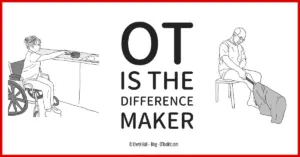
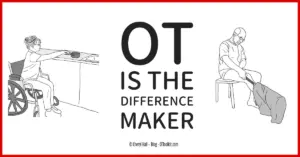
The Silent Architects of Quality: Why Occupational Therapy is the Healthcare Team’s Ultimate Difference Maker
Speech and Language Kids Announces Expansion of Structured Curriculum to Transform SLP Workflows
Understanding Toddler Tantrums: Why Meltdowns Are a Crucial Part of Early Development
Digital Inclusion Shift: Public Institutions Prepare for the 2026 ADA Title II Compliance Deadline
Occupational Therapists Highlight Top Vision Books and Resources to Support Visual Processing and Academic Skills
Rewriting the Autistic Relationship Manual: Cultural Metamorphosis and Ecologies of Care at Human Scale
The Aftermath of Cumulative Loss: Navigating Grief, Busyness, and the Duality of Survival
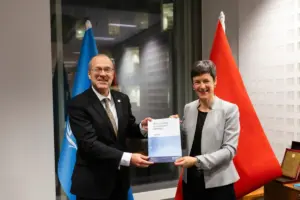
WHO and Switzerland Cement Long-Term Partnership with Renewal of Country Cooperation Strategy for 2024–2028

Tag: injury

4 posts

Standard

Navigating the Dual-Edged Sword of AI: A Perspective for the Brain Injury Community

Generative AI—the technology responsible for churning out text, images, video, and music—has rapidly become the primary face of artificial intelligence in the public imagination. As a writer living with a brain injury, I find myself at a critical intersection where technology offers both profound promise and significant peril. My professional home, Psychology Today, maintains a…


Read more
Standard

When Ethical Compromise Meets Exhaustion: The Deep Link Between Burnout and Moral Injury

In the modern workplace, the conversation around chronic fatigue and professional depletion has largely centered on the concept of burnout—a state of profound exhaustion where individuals feel deeply drained, emotionally depleted, and fundamentally unmotivated after enduring prolonged periods of high stress. Yet, for many professionals across fields as diverse as healthcare, corporate finance, and public…

Read more
Standard

How Acquired Brain Injury Strips Away Coping Mechanisms—and the Long Road to Rebuilding Them

When psychological research examines coping mechanisms, it frequently focuses on the conscious choices individuals make when facing taxing or stressful situations. According to the American Psychological Association, coping involves utilizing cognitive and behavioral strategies to manage demands that exceed a person’s resources, while simultaneously attempting to mitigate negative emotions and conflict. Academic literature routinely draws…

Read more