






BREAKING NEWS
Applied Behavior Analysis Psychedelic Insight: Psilocybin Found to Selectively Mute Aggression in Mangrove Rivulus Fish 2 hours ago Child Development Youth-Associated Protein TIMP2 Found to Rejuvenate Aging Brain Immune Cells 2 hours ago Occupational Therapy The Silent Architects of Quality: Why Occupational Therapy is the Healthcare Team’s Ultimate Difference Maker 2 hours ago Speech and Language Therapy Speech and Language Kids Announces Expansion of Structured Curriculum to Transform SLP Workflows 2 hours ago Early Intervention Understanding Toddler Tantrums: Why Meltdowns Are a Crucial Part of Early Development 3 hours ago Assistive Technology Digital Inclusion Shift: Public Institutions Prepare for the 2026 ADA Title II Compliance Deadline 3 hours ago Sensory Processing Occupational Therapists Highlight Top Vision Books and Resources to Support Visual Processing and Academic Skills 3 hours ago Neurodiversity Rewriting the Autistic Relationship Manual: Cultural Metamorphosis and Ecologies of Care at Human Scale 3 hours ago Applied Behavior Analysis Psychedelic Insight: Psilocybin Found to Selectively Mute Aggression in Mangrove Rivulus Fish 2 hours ago Child Development Youth-Associated Protein TIMP2 Found to Rejuvenate Aging Brain Immune Cells 2 hours ago Occupational Therapy The Silent Architects of Quality: Why Occupational Therapy is the Healthcare Team’s Ultimate Difference Maker 2 hours ago Speech and Language Therapy Speech and Language Kids Announces Expansion of Structured Curriculum to Transform SLP Workflows 2 hours ago Early Intervention Understanding Toddler Tantrums: Why Meltdowns Are a Crucial Part of Early Development 3 hours ago Assistive Technology Digital Inclusion Shift: Public Institutions Prepare for the 2026 ADA Title II Compliance Deadline 3 hours ago Sensory Processing Occupational Therapists Highlight Top Vision Books and Resources to Support Visual Processing and Academic Skills 3 hours ago Neurodiversity Rewriting the Autistic Relationship Manual: Cultural Metamorphosis and Ecologies of Care at Human Scale 3 hours ago
Stories
Psychedelic Insight: Psilocybin Found to Selectively Mute Aggression in Mangrove Rivulus Fish
Youth-Associated Protein TIMP2 Found to Rejuvenate Aging Brain Immune Cells
The Silent Architects of Quality: Why Occupational Therapy is the Healthcare Team’s Ultimate Difference Maker
Speech and Language Kids Announces Expansion of Structured Curriculum to Transform SLP Workflows
Understanding Toddler Tantrums: Why Meltdowns Are a Crucial Part of Early Development
Digital Inclusion Shift: Public Institutions Prepare for the 2026 ADA Title II Compliance Deadline
Occupational Therapists Highlight Top Vision Books and Resources to Support Visual Processing and Academic Skills
Rewriting the Autistic Relationship Manual: Cultural Metamorphosis and Ecologies of Care at Human Scale
The Aftermath of Cumulative Loss: Navigating Grief, Busyness, and the Duality of Survival
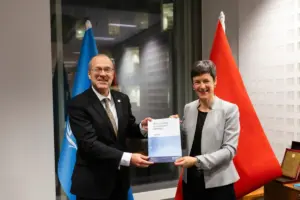
WHO and Switzerland Cement Long-Term Partnership with Renewal of Country Cooperation Strategy for 2024–2028

Tag: mechanisms

5 posts

Standard

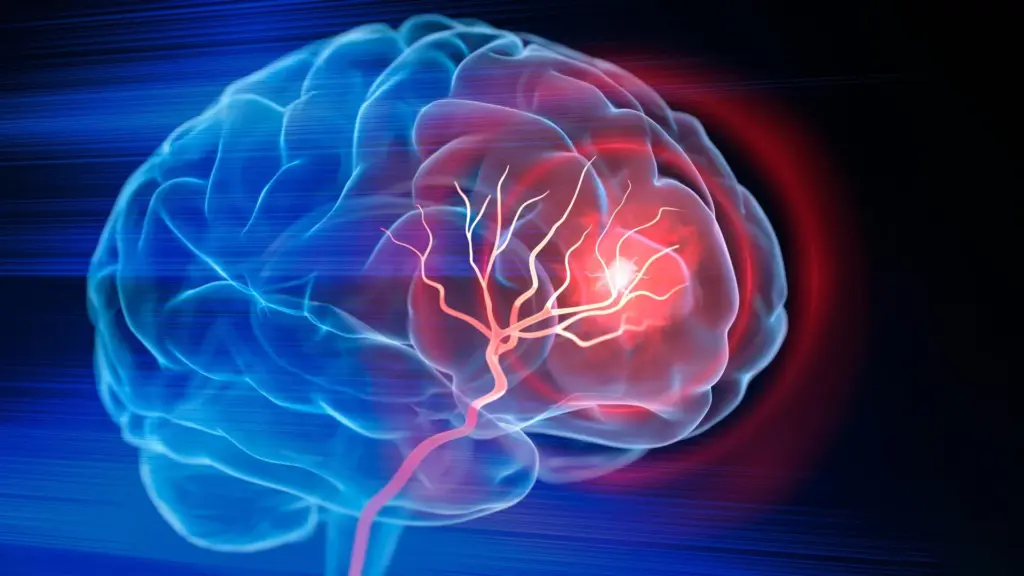
Decoding the Smooth Brain: Scientists Uncover Cellular Mechanisms Behind Primate Brain Evolution

Most primates are characterized by their expansive, complex brains, which are typically defined by a surface topography of intricate folds and grooves. This architectural complexity is often cited as the biological foundation for the sophisticated cognitive abilities observed across the primate order. However, the common marmoset (Callithrix jacchus) stands out as a striking evolutionary anomaly.…

Read more
Standard

Mount Sinai Researchers Unveil New Mechanisms Linking APOE4 to Alzheimer’s and Vascular Damage

In a significant stride toward understanding the biological underpinnings of Alzheimer’s disease, researchers at Mount Sinai have uncovered critical new evidence regarding how APOE4—the most potent genetic risk factor for the condition—triggers progressive brain damage. Two landmark studies, published concurrently in the journals Cell and Cell Stem Cell, provide a transformative look at how this…

Read more
Standard

Navigating the Spectrum of Fear: How Evolutionary Survival Mechanisms Can Be Managed in Modern Life

Fear has served as humanity’s most ancient and enduring survival mechanism for millions of years. Shaped by the evolutionary pressures of a hostile prehistoric environment, the human brain is finely tuned to generate a rapid sense of alarm whenever an individual encounters potential danger, physical pain, or even the unfamiliar. Without this built-in biological alarm…

Read more
Standard

How Acquired Brain Injury Strips Away Coping Mechanisms—and the Long Road to Rebuilding Them

When psychological research examines coping mechanisms, it frequently focuses on the conscious choices individuals make when facing taxing or stressful situations. According to the American Psychological Association, coping involves utilizing cognitive and behavioral strategies to manage demands that exceed a person’s resources, while simultaneously attempting to mitigate negative emotions and conflict. Academic literature routinely draws…

Read more