







A simple, daily dietary habit could hold the key to preserving cognitive function well into the later stages of life. New research conducted by a team at the Maastricht University Medical Center in the Netherlands suggests that incorporating unsalted, skin-roasted peanuts into a daily diet may significantly enhance how the aging brain processes insulin. These findings, which offer a promising look at the intersection of nutrition and neurology, were published in the peer-reviewed journal Food & Function and represent a significant development from the Institute of Nutrition and Translational Research in Metabolism (NUTRIM).
While insulin is widely recognized for its role in regulating blood sugar levels throughout the body, its function within the brain is equally critical, though often overlooked by the general public. In the central nervous system, insulin acts as a vital signaling molecule, facilitating the growth, survival, and communication of nerve cells. This internal messaging system is essential for maintaining memory, learning, and other complex cognitive abilities. Furthermore, researchers believe that robust insulin signaling may serve as a protective mechanism against the neurological processes associated with Alzheimer’s disease and other forms of age-related cognitive decline.
Unlocking the Connection Between Diet and Cognition
The study focused on a group of 31 healthy adults, aged between 60 and 75. By employing a rigorous randomized, controlled crossover trial design, the researchers were able to compare the neurological effects of a peanut-rich diet against a period of total abstinence from peanuts. During the intervention phase, participants consumed 60 grams—roughly two servings—of unsalted, skin-roasted peanuts daily for a duration of 16 weeks.
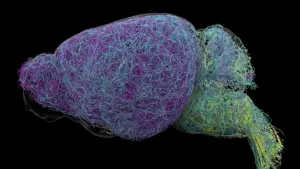
Upon completion of the study, the research team observed a measurable improvement in insulin responsiveness within specific regions of the brain’s right hemisphere. Notably, these regions included the lingual gyrus, the hippocampus, the parahippocampal gyrus, and the posterior cingulate gyrus. Each of these areas is heavily involved in memory processing and cognitive retrieval, making the findings particularly relevant for aging populations concerned about memory loss.
Dr. Peter Joris, the study’s senior author and an associate professor in the Department of Nutrition and Movement Sciences at NUTRIM, explains that the decline in brain insulin sensitivity is a common hallmark of the aging process. "The hormone insulin plays an important role in the brain, where it supports memory and other cognitive processes," Dr. Joris stated. "As people age, the brain may become less responsive to insulin, which has been linked to age-related cognitive decline. Our study found that daily peanut consumption beneficially affected insulin responsiveness in memory-related brain regions in older adults. These findings suggest that enhanced regional brain insulin responsiveness may contribute to the cognitive benefits of unsalted, skin-roasted peanut intake."
Expanding on Previous Findings
This recent study serves as a critical expansion of earlier work led by Dr. Joris and his team, the results of which were published in Clinical Nutrition in 2025. That investigation established a foundation for the current research by demonstrating that a 16-week regimen of peanut consumption increased overall cerebral blood flow (CBF) by 3.6%. Furthermore, participants in that earlier study showed a 5.8% improvement in verbal memory performance.
Cerebral blood flow is a vital metric in neurobiology, as it reflects the efficiency with which the brain receives oxygen and essential nutrients. A consistent, healthy flow of blood is necessary for optimal neuronal function and is a strong indicator of the health of the brain’s vascular system. By connecting the dots between blood flow, verbal memory, and now, regional insulin sensitivity, the researchers are building a comprehensive argument for the role of specific whole foods in supporting neurological longevity.
Sophisticated Methodology in Nutritional Science
The strength of the NUTRIM study lies in its methodological precision. By combining a long-term, carefully controlled dietary intervention with advanced brain imaging technology, the researchers were able to capture high-resolution data regarding how the brain reacts to nutritional stimuli.
To evaluate brain function, the team utilized arterial spin labeling magnetic resonance imaging (ASL-MRI), a non-invasive technique that allows for the precise measurement of blood flow across various brain regions. To assess insulin responsiveness specifically, the researchers tracked changes in these regional cerebral blood flow patterns following the administration of insulin through the nasal passage. This approach allowed the team to bypass the body’s systemic metabolism and isolate the direct effect of insulin on the brain.
In addition to neurological scans, the researchers performed abdominal MRI scans to monitor for potential physiological changes, specifically tracking the accumulation of liver fat, known as intrahepatic lipid (IHL) content. To ensure that the physical changes observed in the brain translated to cognitive performance, the team utilized the Cambridge Neuropsychological Test Automated Battery (CANTAB), a gold-standard, computerized suite of tests designed to measure cognitive abilities with high sensitivity.
The Nutritional Synergy of Peanuts
When considering why peanuts might offer such significant neurological benefits, the researchers caution against focusing on a single "superfood" nutrient. Instead, they suggest that the observed effects are likely the result of a synergistic combination of various components found within the peanut.
"Multiple nutrients present in peanuts, including unsaturated fats, dietary fiber, vitamins and minerals and bioactive phytochemicals, could potentially contribute to the observed brain benefits," Dr. Joris noted. He highlighted that peanuts are not only a dense source of plant-based protein but are also exceptionally rich in L-arginine. L-arginine is a key precursor for the production of nitric oxide (NO) in the body. Nitric oxide is known to play a crucial role in vascular health and has been linked to enhanced learning and memory performance through its ability to facilitate better communication between neurons.
Logistics of the Intervention
To maintain the highest level of experimental control, the research team managed the participants’ intake with meticulous care. Throughout the 16-week intervention phase, each participant was provided with premeasured packets of skin-roasted peanuts. This ensured that every individual consumed an identical amount, eliminating the variability often associated with self-reported dietary habits.
The participants were granted flexibility regarding when they consumed their daily portions. They were instructed to incorporate the peanuts into their morning or afternoon routines, with the choice of eating the entire 60-gram portion at once or dividing it into smaller servings to be consumed alongside their regular meals. This "real-world" approach allowed researchers to assess the feasibility of maintaining such a diet, while the crossover study design—where participants switched between the peanut-inclusive phase and an abstinence phase—ensured that individual differences in baseline health did not skew the results.
The project was spearheaded by principal investigator Dr. Peter J. Joris and conducted in coordination with Ph.D. candidate Lucia Kerkhof, both representing the Department of Nutrition and Movement Sciences at Maastricht University Medical Center. While the study received funding from The Peanut Institute Foundation, the researchers emphasized the independence of their work. According to the team, the foundation had no role in the design of the study, the collection or analysis of the data, the interpretation of the results, or the final preparation of the manuscript, ensuring that the integrity of the findings remained strictly within the purview of the academic researchers.
As the scientific community continues to explore the links between diet and neurodegeneration, the findings from Maastricht University provide a compelling case for the inclusion of nutrient-dense, plant-based foods in the diets of aging adults. While more extensive studies may be required to confirm these results on a broader scale, the current evidence offers a simple, accessible, and potentially powerful tool for supporting long-term brain health.