






As the excitement of summer fades and school districts across the country usher in crisp autumn days, occupational therapists are turning to seasonal themes to engage students in developmental learning. Leading the charge for the back-to-school season, pediatric occupational therapists are utilizing structured apple-themed curricula to address a comprehensive range of fine motor, sensory, executive functioning, and social-emotional skills in school-based practices.
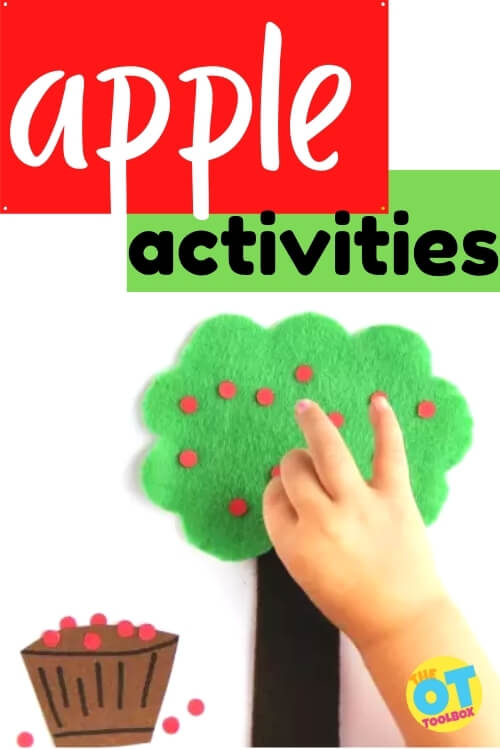
September marks a critical transition period for pediatric therapy caseloads. Practitioners organizing their early-autumn interventions are increasingly relying on thematic toolkits, such as resources provided by The OT Toolbox Membership, to seamlessly integrate seasonal elements into individualized education plans. By selecting targeted materials categorized by themes like apples, therapists can efficiently access printables and activities designed to meet the diverse needs of their entire school caseload.
The scope of these autumn interventions extends far beyond simple arts and crafts. Practitioners utilize apple-themed resources to address foundational pediatric milestones, including fine motor precision, scissor capabilities, self-regulation, spatial awareness, and executive functioning. Whether working with beginning writers or older students refining complex cognitive skills, the apple motif offers a versatile framework adaptable for various developmental stages.

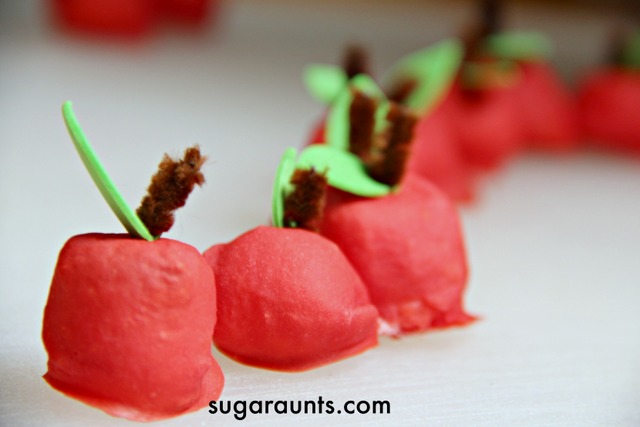
At the heart of these seasonal programs is a multifaceted approach to sensory integration. Occupational therapists frequently incorporate tactile and proprioceptive activities to help students regulate their nervous systems as they adjust back into the structured school environment. Among the favored tactile interventions are baked cotton ball apples, which provide heavy work through the hands, offering crucial proprioceptive input alongside tactile exploration.
Sensory bins have similarly become a staple of autumn-themed experiential learning. An apple-cinnamon sensory bin setup allows children to interact directly with tactile materials while simultaneously engaging in cognitive tasks, such as locating hidden magnetic letters to spell out words like "apple." According to pediatric specialists, this hands-on manipulation aids children who struggle with shape constancy and letter reversals by physically reinforcing memory pathways.

Further expanding the sensory landscape, practitioners utilize specialized mixtures like applesauce oobleck. By introducing the familiar scent of apples and cinnamon alongside a non-traditional slime texture, therapists can address sensory hyper-sensitivities or hyposensitivities while using the collaborative creation process to target attention span, sequencing, and multi-step direction following.
Beyond sensory processing, fine motor skill development remains a core pillar of school-based occupational therapy. Activities designed to build hand strength, finger dexterity, and bilateral coordination are essential precursors to functional tasks such as handwriting, garment management, and tool use.

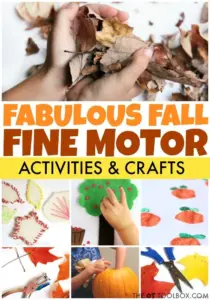
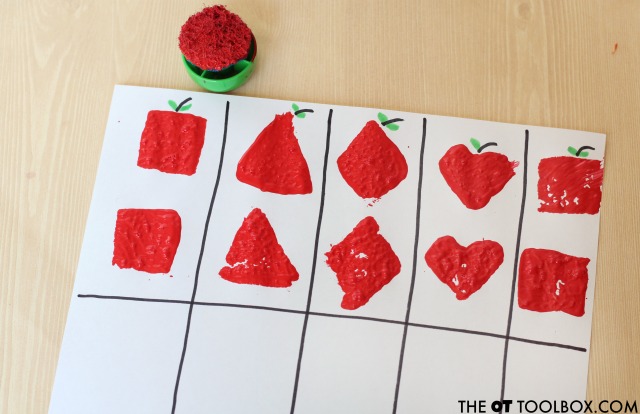
To cultivate the precision and pincer grasps necessary for pencil manipulation and buttoning, therapists often introduce fine motor math exercises or classic classroom crafts. Simple interventions like creating apple stamps using recycled toilet paper tubes challenge hand-eye coordination and encourage crossing the midline. Similarly, activities involving toothpicks and apples or pointillism art projects utilizing standard hole punches actively strengthen intrinsic hand muscles while refining pincer grasps through the manipulation of tiny objects.
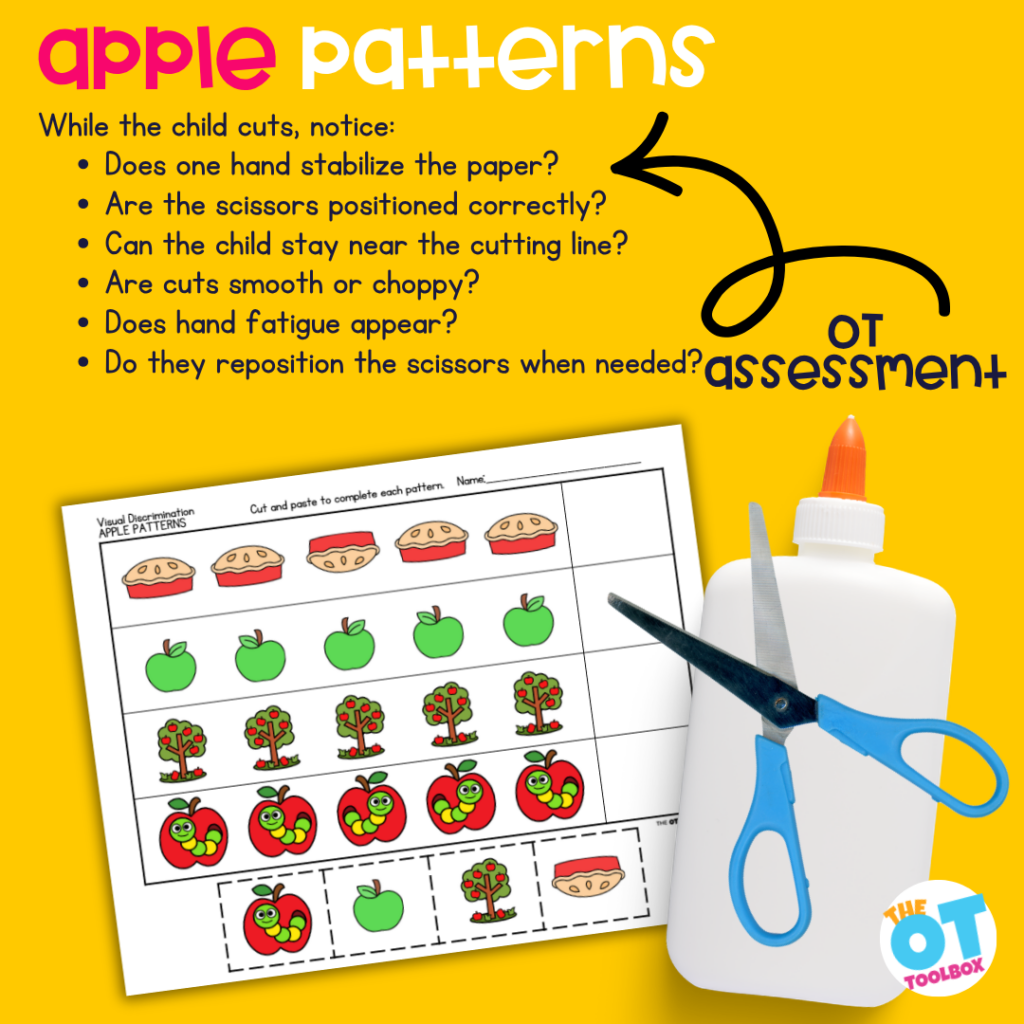
Worksheet-based activities also serve as valuable diagnostic and therapeutic tools at the start of the academic year. Therapists frequently employ apple pattern worksheets to evaluate a student’s baseline capabilities in scissor skills, visual motor integration, and working memory. Observing a child cut along outlined apple motifs allows practitioners to assess their grasp patterns, paper-turning techniques, and bilateral coordination during initial fall screenings.
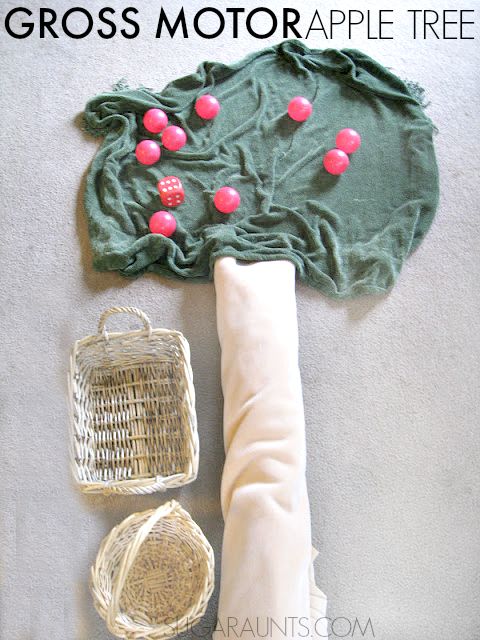
Gross motor development receives equal emphasis in the comprehensive seasonal framework. Core strength, postural stability, vestibular input, and motor planning are vital for classroom participation and functional independence. Therapists have integrated gross motor interventions inspired by classic autumn literature, such as Dr. Seuss’s "Ten Apples Up on Top," encouraging students to copy animal movements or balance tactile props on their heads to foster balance and body awareness. Indoor balance beams styled around an apple theme provide additional opportunities for proprioceptive and vestibular input.
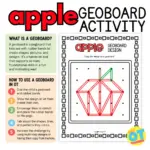
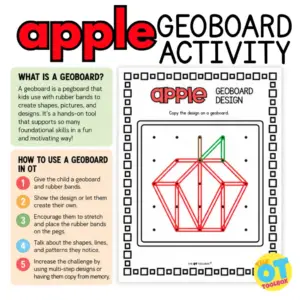
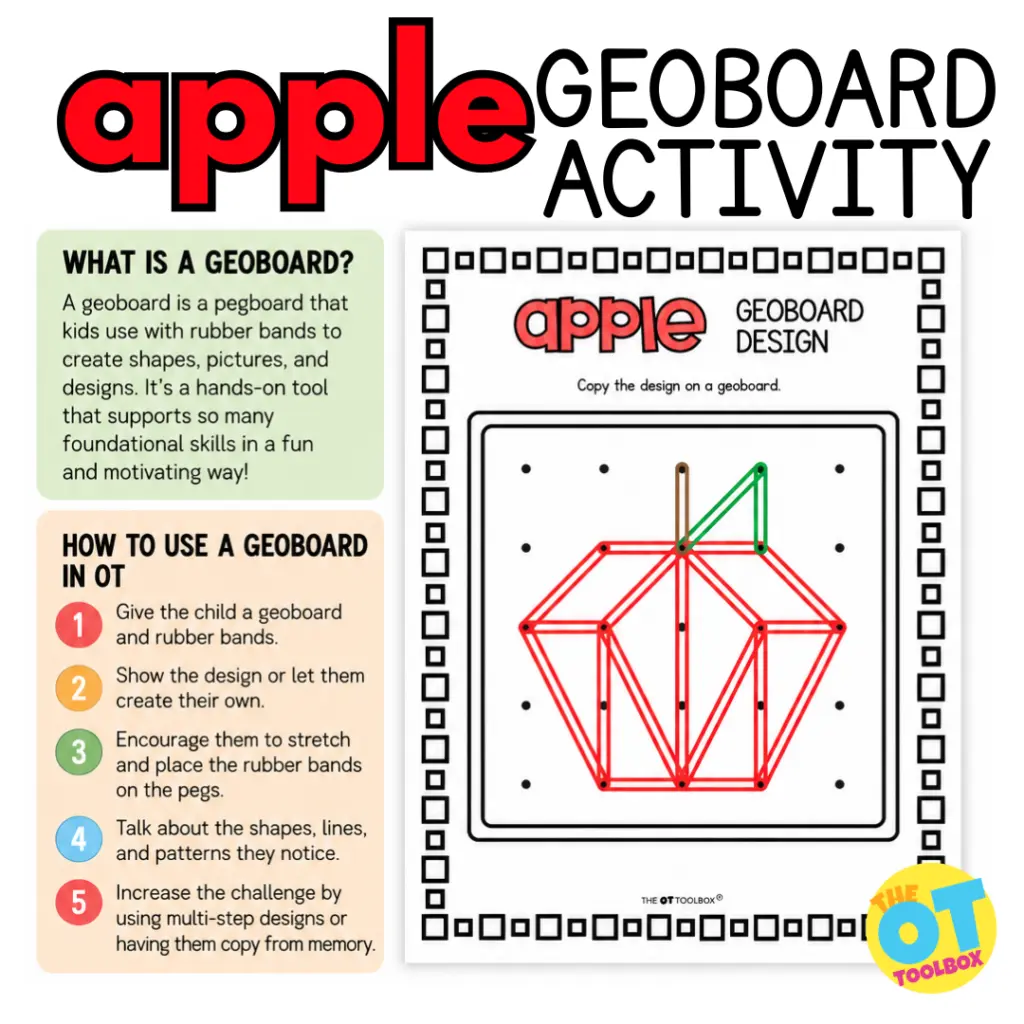
Visual perception and spatial awareness are similarly targeted through structured geometric tasks. Printable apple geoboards require students to translate two-dimensional images onto physical pegboards using rubber bands, offering resistance that builds hand strength and finger isolation while challenging visual-motor integration. Therapists can easily grade these activities up or down by adjusting the complexity of the design or incorporating memory-recall elements, and even extend the exercise by prompting students to write descriptive vocabulary words upon completion.
Executive functioning skills, encompassing organization, planning, attention, and working memory, are frequently addressed through cooking-adjacent activities and structured literacy tasks. Salt dough apple crafting and interactive story sequencing centered around literary resources like Zoe Hall’s "The Apple Pie Tree" provide rich opportunities for children to engage in multi-step planning and narrative comprehension.
Handwriting integration follows a developmental progression tailored to each student’s current academic level. Beginning writers may focus on producing a single apple-related vocabulary word, whereas developing writers construct full sentences, and older students tackle complex writing prompts detailing biological life cycles or seasonal changes.
Social-emotional learning is woven into the seasonal programming through structured group activities designed to encourage social communication and peer interaction. Resources developed by organizations like the Social Butterflies Club provide frameworks for children to practice collaborative play and communication within the context of apple-themed exercises.
As school-based occupational therapists continue to navigate the autumn transition, the integration of targeted seasonal themes offers a dynamic approach to addressing diverse developmental goals. Sydney Thorson, an occupational therapist with a background in human development and family studies, emphasizes the importance of individualized and meaningful treatment approaches that resonate with children and their families as they embark on the new school year.