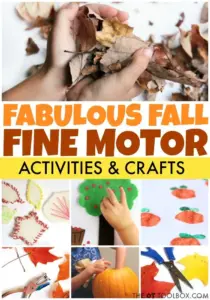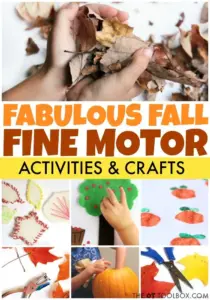









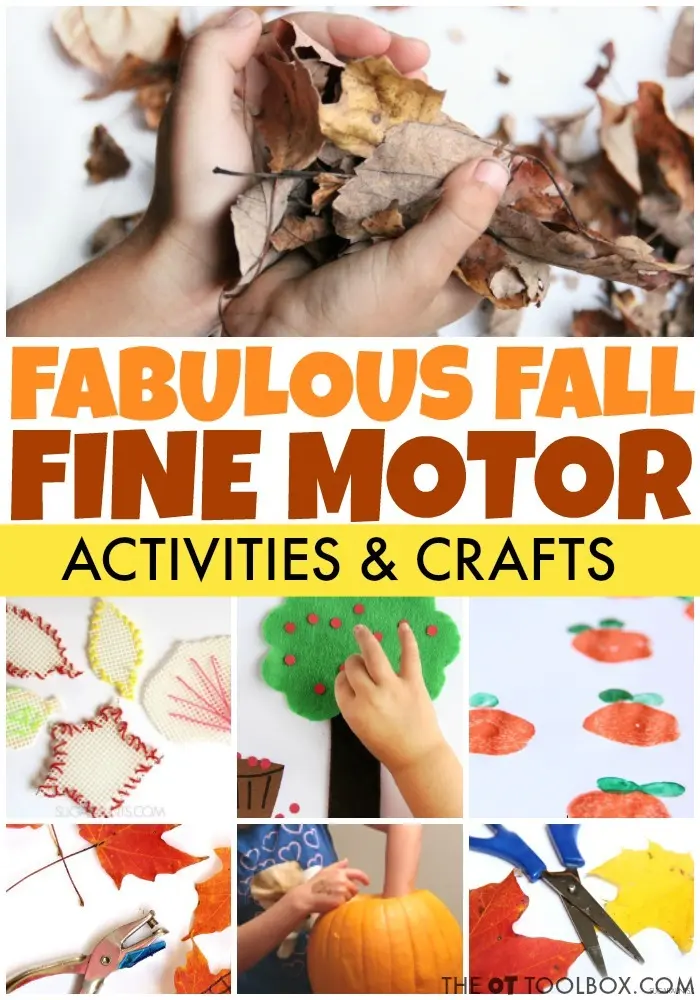
As the crisp autumn air arrives and leaves begin to display vibrant shades of red and gold, educators, occupational therapists, and parents are increasingly leaning into seasonal themes to support children’s fundamental developmental milestones. Rather than selecting autumn-inspired crafts and games simply for festive appeal, pediatric specialists are strategically leveraging materials like apples, pumpkins, leaves, and acorns to target specific fine motor needs in children, ranging from toddler playgroups to elementary school classrooms.
Experts note that seasonal changes provide a natural backdrop for addressing critical developmental areas such as hand strength, finger dexterity, scissor proficiency, visual motor integration, and handwriting readiness. Many of these autumn-themed activities are designed to address multiple developmental skills simultaneously, allowing therapists and educators to adapt exercises according to an individual child’s specific requirements.
The shift toward targeted seasonal activities comes at a time when professionals are continually seeking engaging, hands-on ways to encourage children to build essential physical capabilities. Fine motor control underpins a vast array of daily functional tasks, from managing clothing fasteners like buttons and zippers to opening containers and holding writing utensils correctly. By embedding these skills into familiar fall motifs, adults can transform therapeutic interventions and classroom exercises into play experiences that do not feel like traditional work.
Targeting Hand Strength Through Seasonal Play
Hand strength is a cornerstone of physical development, providing the foundation necessary for academic and daily living tasks. When children exhibit weak hand strength, it often impacts their stamina during writing and manipulation tasks. Specialists have introduced several seasonal interventions designed to build resistance and improve muscle tone in the hands and fingers.
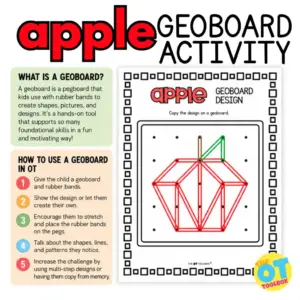
One popular approach involves apple-themed geoboards, where children stretch rubber bands across pegs to recreate specific fruit designs. The physical resistance of pulling and positioning the bands exercises the fingers and hands while demanding precision and controlled release, simultaneously supporting bilateral coordination and visual-motor planning. Therapists frequently modify the challenge by altering the thickness of the bands to increase resistance or by simplifying visual patterns for children who find the spatial demands too complex.
Similarly, traditional play dough remains a staple in both occupational therapy and early childhood education. The resistive nature of the medium requires rolling, squeezing, pinching, and pressing, which naturally targets the small intrinsic muscles of the hands. Educators often incorporate autumn elements by hiding mini leaves, seasonal erasers, or colored beads inside the dough, or by utilizing printable shape cards. The soft, pliable material offers a tactile sensory challenge while delivering proprioceptive feedback that aids in wrist stability and arch development.
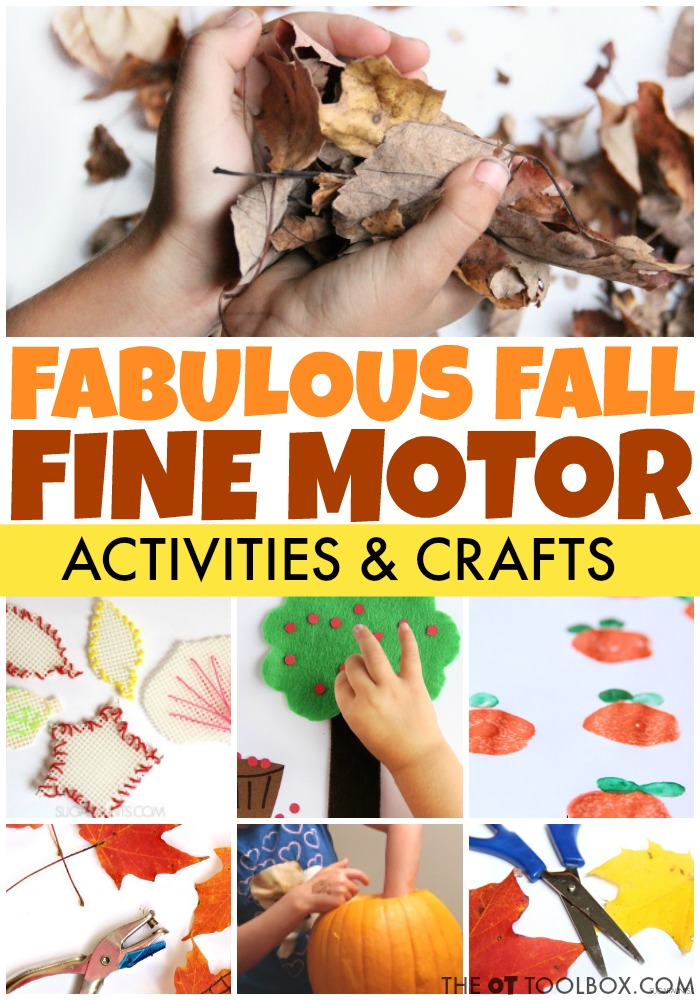
Hole-punching activities represent another effective method for building hand strength. By operating a hand-held hole punch around the printed outline of an apple or a real autumn leaf, children engage in sustained hand force. Positioning the punch precisely along a visual line also integrates eye-hand coordination and bilateral control, as one hand stabilizes the paper while the other operates the tool.
Fostering Manual Dexterity and Finger Precision
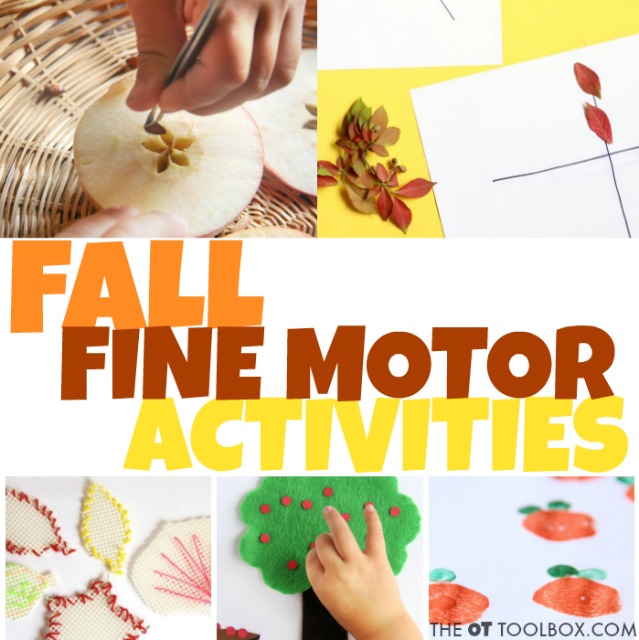
Manual dexterity requires the coordinated, efficient movement of the fingers to perform small, precise tasks. When dexterity breaks down, children often struggle with speed, precision, and coordination. To address this, specialists utilize small autumn manipulatives such as craft pom poms, seeds, paper clips, and small craft items to turn everyday play into targeted dexterity exercises.
Activities involving craft pom poms, for instance, can be scaled in difficulty by having children use tongs or tweezers to transfer fall-colored items into ice cube trays or muffin tins. Adjusting the size of the pom poms or the type of grasping tool modifies the level of precision required.
Paper clip activities, such as attaching metal clips to apple-themed counting cards, offer another portable method for refining fingertip control. This task requires precise opposition between the thumb and fingers, encouraging the development of a refined pincer grasp while promoting bilateral hand use as the child stabilizes the counting card. Geoboard variations featuring fall tree designs similarly encourage children to manipulate rubber bands using their fingertips rather than their entire hands, fostering greater finger isolation and control.
Scissor Skills and Cut-and-Paste Coordination
Scissor use is a complex developmental milestone that requires the two hands to perform completely different actions simultaneously. While the dominant hand opens and closes the scissors, the non-dominant helper hand must stabilize, rotate, and guide the paper.
Autumn provides abundant opportunities to practice these mechanics, whether through structured apple-cutting worksheets that require children to follow visual paths or through unconventional materials like real fall leaves. Allowing children to snip leaves into small pieces or cut along drawn lines introduces natural textures and immediate feedback.
Beyond simple cutting, farm-themed and seasonal cut-and-paste crafts elevate the cognitive and physical demands of the task. Children must first cut out the necessary components, visually determine where each piece belongs, orient them correctly according to sequential directions, and secure them with glue. This multi-step process weaves together scissor skills, bilateral coordination, visual-spatial awareness, and executive functioning.
Integrating Visual Motor and Handwriting Tasks
Many children possess adequate hand strength and dexterity, yet still encounter difficulties when a task requires them to copy a visual design, follow a linear path, or coordinate what they see with how their hands move. Visual motor integration is vital for academic success, particularly in handwriting and drawing.
To address these needs, educators utilize fall-themed directed drawing pages featuring acorns, leaves, and pumpkins. These exercises prompt children to observe a model, plan the beginning and end points of each pencil stroke, and reproduce spatial relationships. Pattern block designs and seek-and-find I Spy pages further reinforce visual scanning, figure-ground perception, and sustained visual attention, with some practitioners incorporating physical prompts or viewing frames to grade the difficulty.
When transitioning to handwriting, professionals often utilize seasonal writing prompts rather than isolated letter drills. By embedding writing tasks into meaningful autumn contexts, educators can address specific components such as line awareness, spacing, letter size, formation, and writing endurance across varying developmental stages. Emerging writers may focus on forming a single fall-themed vocabulary word, while more advanced students plan and compose multi-sentence paragraphs.
As educators and therapists continue to plan seasonal sessions, the emphasis remains on harnessing natural autumn motifs to build foundational capabilities. By turning everyday materials like leaves, seeds, and gourds into dynamic developmental tools, professionals can support children in acquiring the essential fine motor skills needed for lifelong academic and functional independence.