







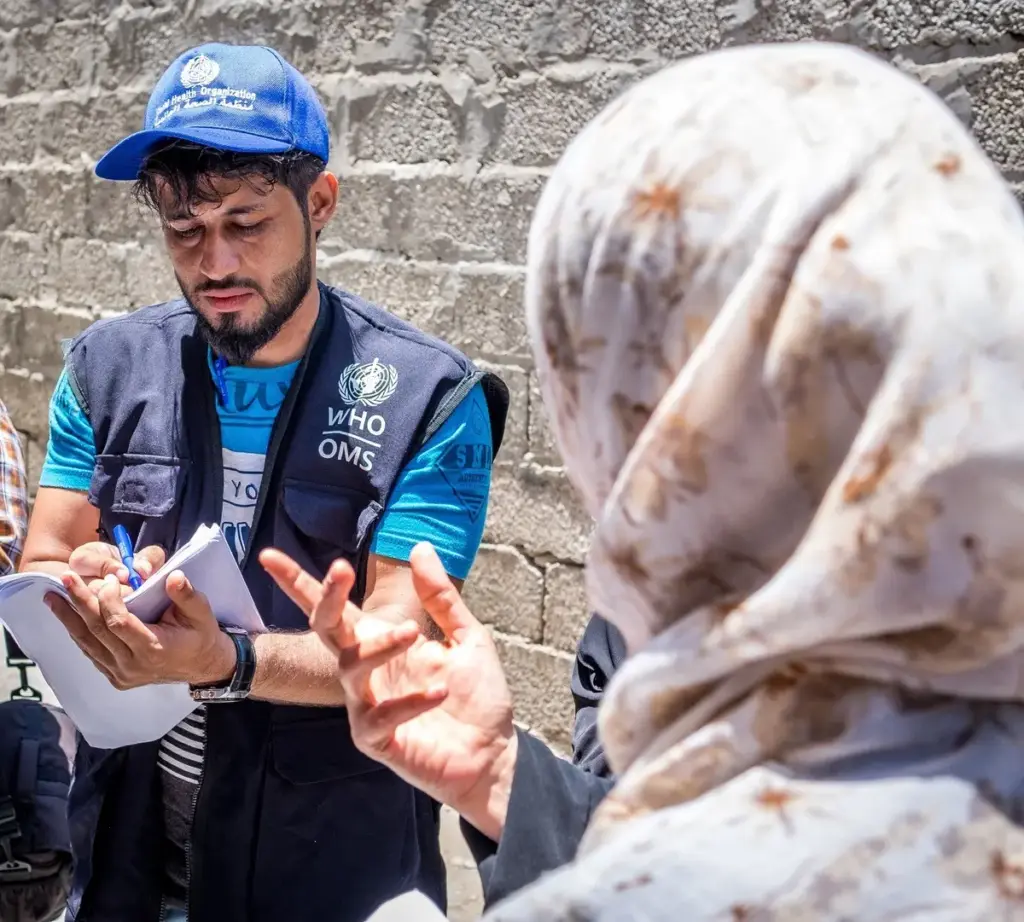
GENEVA — In a decisive move to fortify health information systems and enhance global health outcomes amid the unprecedented challenges of the COVID-19 pandemic, the World Health Organization (WHO) has announced a comprehensive new approach to improving access to life-saving data. Designated as the SCORE for Health Data Technical Package, the newly launched resource addresses a critical vulnerability exposed by the global health crisis: the widespread lack of robust infrastructure to routinely gather health data and the necessary analytical capacity to translate that data into effective public health interventions and emergency responses.
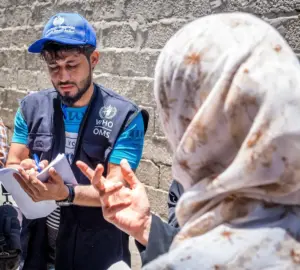
The ongoing COVID-19 pandemic has vividly demonstrated that timely, reliable, and actionable data is just as vital to managing a health crisis as medical supplies, personal protective equipment, and therapeutics. Yet, countless nations continue to struggle with foundational data collection limitations, hindering their ability to monitor disease spread, allocate scarce resources efficiently, and protect vulnerable populations.
Addressing global health leaders and stakeholders, WHO Director-General Dr. Tedros Adhanom Ghebreyesus emphasized the fundamental philosophy driving the new initiative. "Countries must be able to measure progress to make progress," said Dr. Tedros. "Particularly during COVID-19, reliable data is the best way to coordinate response efforts and improve health in all areas."

Accurate health data remains an indispensable prerequisite for understanding the specific, nuanced needs of individual countries. Without precise statistics on mortality, morbidity, resource distribution, and healthcare access, governments and international organizations cannot effectively safeguard populations or save lives. Furthermore, reliable data serves as the compass that directs scarce financial and logistical resources precisely to where they are needed most, maximizing the impact of every intervention.
To bridge these systemic gaps, the SCORE Technical Package—which stands for Survey, Count, Optimize, Review, and Enable—is designed to drastically improve the availability of timely, reliable, validated, and comparable health data across the globe. For the first time, this initiative brings together all the key elements required for optimized health information system performance into a single, harmonized package. Put simply, the SCORE framework is intended to assist governments around the world in establishing robust benchmarks and elevating standards in healthcare delivery and public health monitoring.
Developed in direct response to the glaring data availability challenges highlighted in the WHO World Health Statistics 2020 report, the SCORE package incorporates more than 90 universally accepted tools and standards aimed at strengthening national health information systems. By consolidating these resources, the WHO aims to streamline the process by which countries evaluate and upgrade their statistical infrastructure.
The development and rollout of the SCORE Technical Package have been significantly bolstered by key international partnerships. Notably, the initiative has received crucial financial and programmatic support from Bloomberg Philanthropies. Dr. Kelly Henning, Director of Public Health Programs at Bloomberg Philanthropies, underscored the critical timing of the release and the importance of evidence-based public health strategies.
"Using data to inform public health priorities and strategies has never been more important," said Dr. Kelly Henning. "The SCORE Technical Package provides country governments around the world with high-quality, essential technical guidance so that countries can strengthen their own data systems."
The WHO has expressed immense pride in partnering with the Bloomberg Philanthropies Data for Health Initiative to deliver this timely resource to nations striving to improve their health architectures. As health ministries grapple with complex epidemiological landscapes, having access to standardized, high-caliber guidance is expected to accelerate institutional reforms and capacity building.
The urgency of this mission was further underscored by Dr. Samira Asma, Assistant Director-General for Data, Analytics and Delivery for Impact at the WHO. Pointing to the compounding pressures of the pandemic, global development goals, and stubborn national data deficits, Dr. Asma emphasized that hesitation is no longer an option for the global public health community.
"We must keep score to save lives," added Dr. Samira Asma. "WHO is committed to working with countries and partners to rapidly scale up capacity for data collection and use in order to improve policy and performance. We must act now to invest in statistical systems in countries, respond to this pandemic and meet the SDGs and the Triple Billion targets. Our window of opportunity is closing, and we cannot wait to address data gaps. Data use to address country needs has to be a priority today."
As the global health community looks toward a post-pandemic future, experts agree that country-owned, disaggregated data will be essential for building more resilient, equitable, and sustainable health systems. The COVID-19 crisis has served as both a sobering wake-up call and a stark reminder of the structural vulnerabilities that still demand urgent attention. At the same time, it has presented a unique opportunity to "build back better" through enhanced international solidarity, transparent information-sharing, and cross-border collaboration.
The SCORE framework exemplifies how a collaborative approach can directly benefit individual countries by offering a common set of evidence-based tools anchored in shared global standards. Designed from the ground up to be practical, actionable, and flexible, the package adapts to diverse national contexts while maintaining rigorous methodological integrity. The underlying message from public health leaders remains clear: the global community will only succeed in combatting COVID-19 and future health emergencies if nations work together, underpinned by accurate and reliable data.
Additional components of the comprehensive SCORE Technical Package are scheduled for release later this year. These upcoming resources will include the specialized SCORE Assessment Instrument, alongside global, regional, and country status reports. Together, these forthcoming tools will provide a complete, end-to-end package of information enabling governments to effectively plan, execute, and monitor progress against national and subnational priorities, as well as overarching global targets.
Through this concerted effort, the WHO and its partners aim to ensure that no country is left behind in the digital and statistical revolution of modern public health, transforming raw data into meaningful action and, ultimately, saving countless lives worldwide.