By Michelle Diament
October 16, 2026
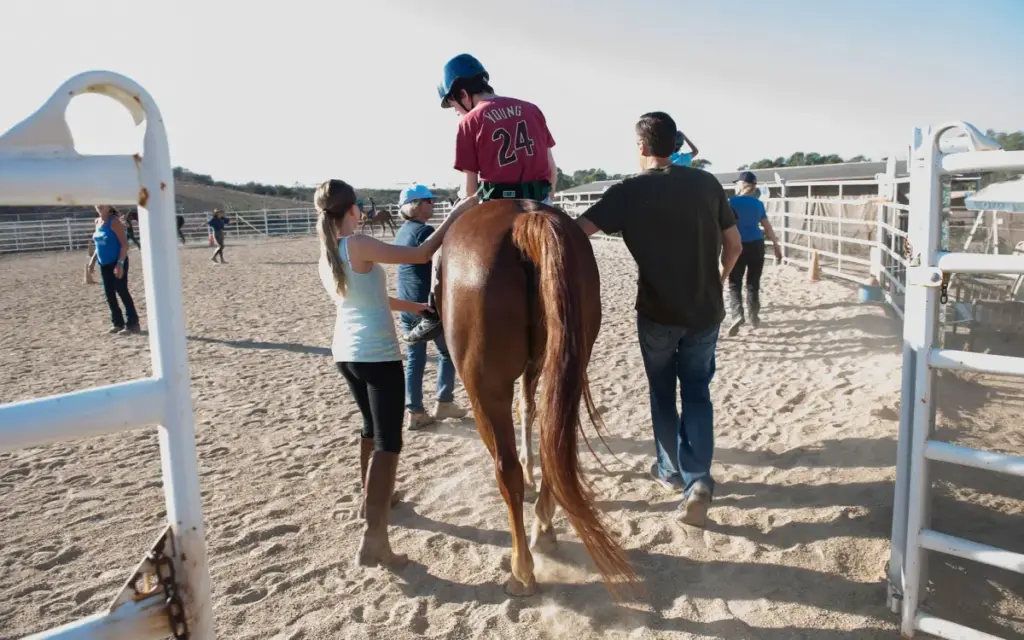
Riding horses or simply spending structured time around them can make a profound, measurable difference for children with autism, helping to significantly reduce hyperactivity and enhance vital social skills, according to new research published this month in the prominent medical journal Pediatrics.
The comprehensive study, which followed 236 children diagnosed with autism spectrum disorder and co-occurring psychiatric conditions, provides compelling scientific insight into the benefits of equine-assisted activities. Researchers found that participating in either a dedicated therapeutic horseback riding program or structured barn activities brought about meaningful, positive behavioral shifts in young participants ranging in age from 6 to 16.

The findings arrive as families, educators, and clinical professionals continually look for innovative, engaging, and non-pharmacological ways to support youth with developmental disabilities. While traditional clinical environments remain a cornerstone of autism care, researchers emphasized that experiential programs like therapeutic riding offer unique pathways for development that are often difficult to replicate in a standard office or classroom setting.
Structuring the Study: Riding Versus Barn Activities
To thoroughly investigate the impact of equine interactions, the research team designed a multi-tiered study involving children with autism and associated behavioral challenges. The participants were divided into distinct groups to compare active horseback riding against passive or indirect exposure to horses and the barn environment.
Some of the children participating in the study were assigned to receive formal therapeutic horseback riding once a week for a duration of 10 weeks. These sessions involved mounted activities designed to improve balance, coordination, and engagement under the guidance of trained therapeutic riding instructors.
Meanwhile, another cohort of participants took part in a designated barn activity group. These children visited the stables, observed the horses, and participated in general barn routines, but they did not physically interact with or ride the animals. This clever separation allowed researchers to isolate the specific physical and neurological benefits of being mounted on and guiding a moving horse versus simply being in an equine environment.
Additionally, a third group of children experienced a waiting period before participating in the study protocol. This group first took part in the barn activity for five weeks, which was then followed by five weeks of active riding lessons. By utilizing this cross-over and waiting-period design, the research team could closely monitor behavioral changes across different types and intensities of exposure.
Measurable Reductions in Irritability and Hyperactivity
When the study concluded and the data was analyzed, the results were striking. Both the active riding program and the non-riding barn activities led to significant, statistically meaningful drops in irritability and hyperactivity among the young participants.
Beyond the reductions in challenging behaviors, the study also tracked notable improvements in emotional regulation and social behaviors. Parents and evaluators noted that children appeared more capable of managing their responses to frustration and showed an increased willingness to engage positively with peers and instructors after spending time in the equine programs.
However, a critical distinction emerged when researchers looked closely at the data regarding hyperactivity. While simply visiting the barn and being around horses yielded positive behavioral results, the greatest impact on hyperactivity specifically was observed among the children assigned to the active riding group.
Robin Gabriels, a professor of psychiatry at the University of Colorado School of Medicine who led the rigorous study, pointed to the unique sensory and physical demands of managing a large, moving animal as a primary driver of these outcomes.
"There is something about riding a horse that is particularly helpful for kids with hyperactivity," Gabriels explained, highlighting the complex neurological and vestibular input that a child receives while mounted on a walking or trotting horse.
Complementing Traditional Clinical Care
The researchers were careful to note that while the findings are remarkably encouraging, horseback riding is not a universal solution and may not be the right fit for every child with autism. Sensory sensitivities, physical limitations, or fear of large animals can make mounted activities challenging for some individuals.
Nevertheless, the study’s authors suggest that therapeutic riding and structured equine programs serve as an excellent, highly effective way to supplement existing treatments and therapies that families may already be utilizing. By integrating physical movement, outdoor environments, and social interaction, these programs address multiple developmental domains simultaneously.
"Working with horses gives these kids a chance to do something active, social, and engaging," Gabriels said, emphasizing the holistic nature of the intervention. "For some children, that may be a particularly effective way to help them develop skills that can be difficult to teach in a traditional clinical environment."
The publication of these findings in Pediatrics adds to a growing body of literature supporting the integration of animal-assisted therapies into comprehensive treatment plans for youth with developmental and psychiatric conditions. As centers across the country continue to offer these specialized programs, this latest research provides families and clinicians with robust, peer-reviewed data to support the inclusion of therapeutic riding in developmental care strategies.