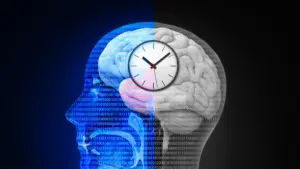







Scientists at the University of Rochester Medicine have identified a promising new frontier in stroke rehabilitation, suggesting that the body’s internal biological clock may hold the key to brain recovery. By reinforcing natural daily rhythms—often referred to as circadian rhythms—researchers believe they can enhance the brain’s ability to clear toxic waste products, potentially offering a transformative approach to long-term recovery for stroke survivors.
The findings, published in the Journal of Clinical Investigation, suggest that the brain’s recovery process is significantly hindered by a breakdown in its internal "timing." By using interventions designed to reset these biological clocks, researchers successfully improved motor function and reduced brain inflammation in mouse models of stroke, even when the treatment was initiated days after the initial injury.
How the Brain Clears Waste
The study builds upon more than a decade of pioneering research conducted by neuroscientist Maiken Nedergaard, MD, DMSc, and her laboratory at the University of Rochester. In 2012, the team discovered the "glymphatic system," a sophisticated waste-clearance network within the brain. This system acts as a biological drainage mechanism, moving cerebrospinal fluid through brain tissue to wash away debris and metabolic byproducts that accumulate during daily neural activity.

Subsequent research has underscored the vital importance of this system to overall brain health. It was discovered that glymphatic activity is most efficient during sleep, which explains why rest is so critical for cognitive function. However, the scope of this research widened significantly when neuroscientist Lauren Hablitz, PhD, demonstrated that this waste-clearing process is not merely a byproduct of sleep but is fundamentally governed by the body’s circadian rhythms—the internal 24-hour cycle that dictates everything from hormone release to body temperature.
In a landmark 2020 study, Hablitz and her colleagues established a definitive link between circadian biology and the glymphatic system. They proved that even in the absence of sleep, the brain’s cleaning mechanism continues to fluctuate according to the body’s internal clock. This realization shifted the focus of neurological recovery from simple rest to the broader concept of biological timing.
Stroke May Disrupt the Brain’s Timing
The implications of this research are particularly profound for stroke victims. According to Hablitz, who served as the lead author on the new study, the clinical understanding of stroke must evolve. "The discussion of stroke recovery really starts with the idea that stroke is not just a vascular event, but also a disorder of timing," she explained.
For years, clinicians have observed that strokes follow distinct temporal patterns. They occur with higher frequency during the early morning hours and are often more severe when they happen near the end of the sleep cycle. Furthermore, the aftermath of a stroke is frequently characterized by severe sleep-wake disturbances. These cycle disruptions are not just symptomatic; they are clinically linked to poorer recovery outcomes, higher rates of depression, and a significantly diminished quality of life for survivors.
"That led us to ask a simple question," Hablitz said. "If timing is broken after a stroke, can we improve recovery by reinforcing the biological clock?"
When the Brain’s Cleanup System Slows Down
In a healthy brain, the glymphatic system operates like a finely tuned filtration plant, carrying cerebrospinal fluid along the exterior of blood vessels and deep into brain tissue. This flow is essential for delivering nutrients and, crucially, for the removal of inflammatory signals. When this system is functioning correctly, it ensures that the brain environment remains conducive to healing and neural stability.
However, research has consistently shown that the glymphatic system becomes impaired following a stroke. This disruption creates a bottleneck in the brain’s ability to flush out harmful molecules that naturally accumulate during the injury-response process. Traditionally, stroke research has centered on the dual nature of inflammation—trying to suppress the "harmful" aspects while preserving the "beneficial" ones. Hablitz and her team propose that this may be an incomplete strategy. They suggest that the problem is not necessarily the presence of inflammation, but the brain’s failure to clear it.
"We think part of the problem may be a failure of cleaning," Hablitz noted. "If the system responsible for clearing signaling molecules isn’t working properly, everything builds up." In this model, a stroke causes a dual injury: it damages the brain tissue itself and simultaneously compromises the "pipes" or pathways responsible for removing inflammatory debris. As these molecules linger in the brain, they can exacerbate secondary damage and impede the natural repair process, leading to a slower and less effective recovery.
Resetting the Body Clock
To determine if strengthening circadian rhythms could reverse this trend, the research team implemented a series of interventions known to influence the internal biological clock. These included light exposure at specific times of the day, the administration of melatonin, the use of a clock-targeting drug known as KL001, and time-restricted feeding.
The researchers first validated these strategies in healthy subjects, confirming that each intervention could effectively boost glymphatic function. Following this, they moved to mouse models of stroke. The timing of the intervention was a crucial variable: treatment was withheld until three days after the stroke. This is a significant detail, as it moves the treatment window well beyond the narrow timeframe for clot-busting drugs (like tPA), which must be administered within a few hours to be effective.
The results were striking. Even with the delayed start, the mice that received KL001 or underwent time-restricted feeding exhibited improved motor recovery, smaller brain lesions, and more robust glymphatic flow. Most importantly, these improvements correlated with lower levels of inflammatory cytokines in the brain. "All of the cytokines moved in the same direction," Hablitz said. "That suggests we may not be targeting one specific inflammatory pathway. Instead, we may be helping the brain clear inflammatory signals more effectively."
A Strategy That Could Be Easier to Use
The potential for real-world application is high, particularly regarding time-restricted feeding. This behavioral intervention is already being studied extensively for its role in managing obesity, diabetes, and cardiovascular disease. Because it does not require complex surgical or pharmaceutical procedures, it offers a high degree of feasibility for long-term stroke rehabilitation.
"One of the exciting aspects of this work is that we’re studying interventions that could potentially be implemented not only in hospitals but also at home," Hablitz added. By leveraging behavioral changes that can be integrated into a patient’s daily routine, clinicians may be able to support brain recovery long after the patient has left the acute care setting.
What Researchers Need to Test Next
Despite these encouraging results, the researchers maintain a cautious outlook. The findings are currently limited to animal models, and translating these successes to human patients requires significant further study. The scientific community must first delineate the precise mechanisms through which circadian rhythms, glymphatic clearance, and inflammation interact following an injury.
Future research will aim to confirm whether improved glymphatic flow is the direct cause of the observed motor recovery and whether these circadian-based interventions are both safe and effective in human clinical trials. This work is part of a broader shift in the neuroscience community toward recognizing that sleep, rhythm, and fluid dynamics are central pillars of brain health.
By decoding how the brain’s internal clock regulates the glymphatic system, researchers hope to move toward a new generation of targeted therapies. This approach could have implications far beyond stroke recovery, potentially offering new avenues for treating other neurological conditions characterized by inflammation and poor waste clearance, such as neurodegenerative diseases.
"Understanding how circadian regulation shapes glymphatic clearance will help us develop more targeted therapies," said Hablitz. "Ultimately, our goal is to find ways to improve the brain’s ability to clear waste, reduce inflammation, and recover after injury." The study provides a compelling roadmap for how timing, once thought to be an incidental factor in stroke, might actually be the key to unlocking the brain’s innate capacity for self-repair.