








WASHINGTON, DC — ZERO TO THREE, the nation’s leading early childhood development nonprofit dedicated to ensuring all infants and toddlers have a strong start in life, has expressed strong encouragement following the release of President Biden’s proposed fiscal year 2025 budget. The organization noted that the federal spending blueprint includes essential and much-needed funding for programs designed to build a solid foundation for young children and their families across the United States.
According to leadership at the prominent nonprofit, the newly unveiled budget addresses several critical areas that directly impact the well-being and future trajectory of America’s youngest population. By prioritizing funding for foundational public programs, the administration’s proposal signals a concerted effort to support families during the crucial developmental window that occurs between birth and age three.
Miriam Calderón, Chief Policy Officer at ZERO TO THREE, emphasized the profound impact these federal investments could have on the daily lives of parents and infants if successfully enacted into law.

"If implemented, President Biden’s budget released today will make our nation a better and fairer nation to have and raise a baby," said Calderón. "ZERO TO THREE has urged Congress and the Administration to prioritize the needs of babies and their families in five key areas: maternal health, infant and early childhood mental health, child care, housing, and economic security."
Calderón pointed out that the newly proposed budget builds directly upon the administration’s recent policy commitments, noting that in the State of the Union address delivered just weeks prior, the President laid out a clear path toward a future where families are fully empowered and given meaningful choices regarding their children’s future development and upbringing. The fiscal year 2025 budget expands significantly on that overarching vision with concrete proposals that target all facets of young children’s cognitive, emotional, and physical development.

The endorsement from ZERO TO THREE underscores a growing nationwide focus on the earliest stages of human development. Child development experts and early childhood advocates have long maintained that investments made during the prenatal period and the first three years of life yield the highest long-term returns for society, influencing everything from educational attainment and health outcomes to economic productivity and social stability.
The President’s budget puts forward targeted investments intended to support vulnerable babies and strengthen working families by bolstering the systems and safety nets they rely on every day. These federal proposals aim to address systemic challenges that have historically burdened parents of young children, ranging from the high cost of quality child care to gaps in maternal healthcare access and affordable housing availability.
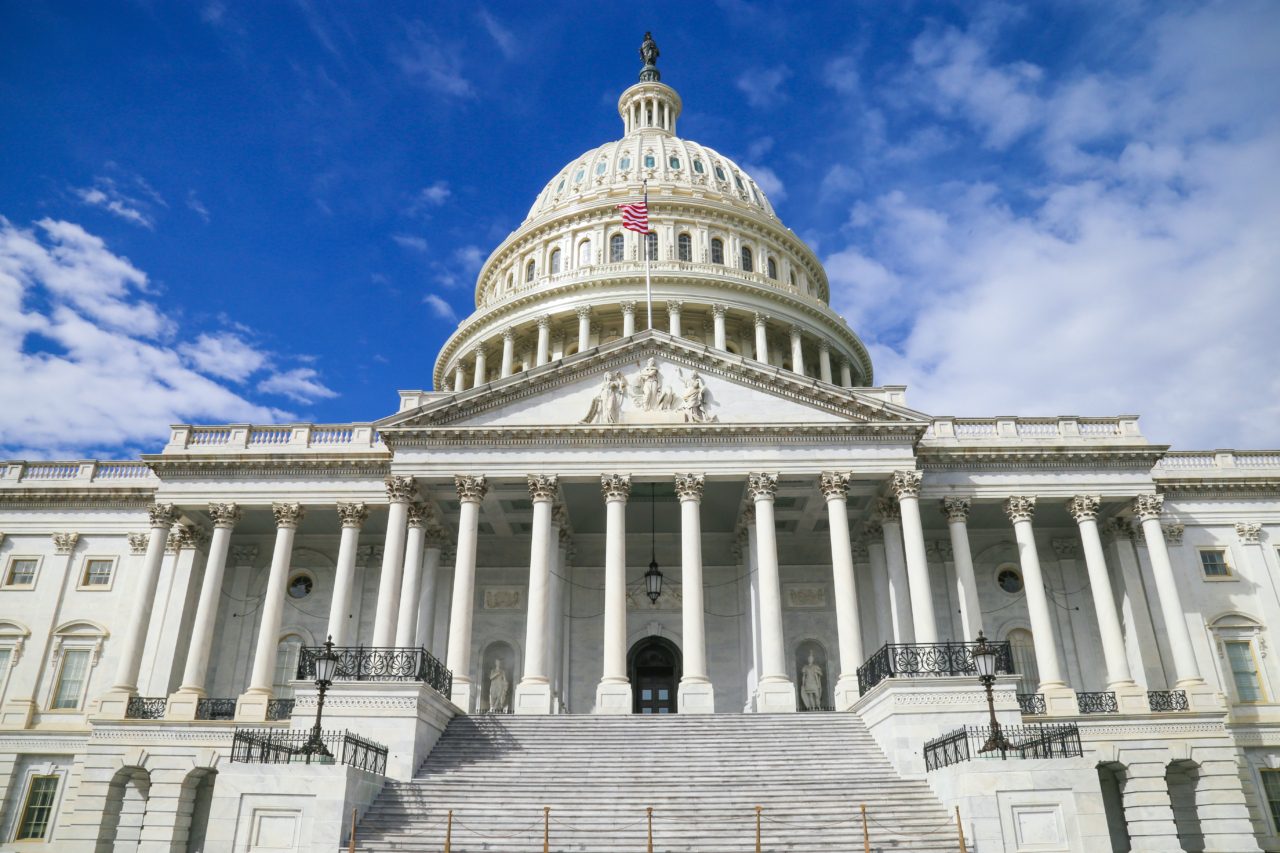
With the release of the executive budget proposal, attention now shifts to Capitol Hill, where federal lawmakers will begin the complex and often contentious process of drafting and negotiating appropriations bills for the upcoming fiscal year. The advocacy community views the budget blueprint as an opening bid in negotiations and a statement of national priorities rather than a guaranteed legislative outcome.

Highlighting the critical role of the legislative branch in turning these executive priorities into reality, Calderón stressed the importance of bipartisan cooperation and sustained advocacy from child welfare champions in Congress.
"Now, Congress must work with the Administration to deliver for families and babies," Calderón continued. "We look forward to working with Congressional appropriators and our baby champions on the Hill to make these bold proposals a reality."
As the legislative session progresses, ZERO TO THREE and allied organizations plan to continue engaging policymakers to advocate for robust funding levels across the five core areas identified in their advocacy agenda. For advocates, the overarching goal remains ensuring that the unique needs of infants, toddlers, and their caregivers are not overlooked in the broader federal budget debate, keeping the health and well-being of the next generation at the forefront of national policy discussions.