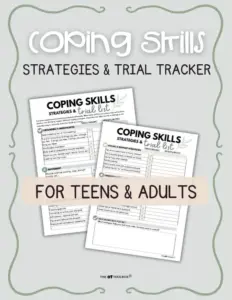








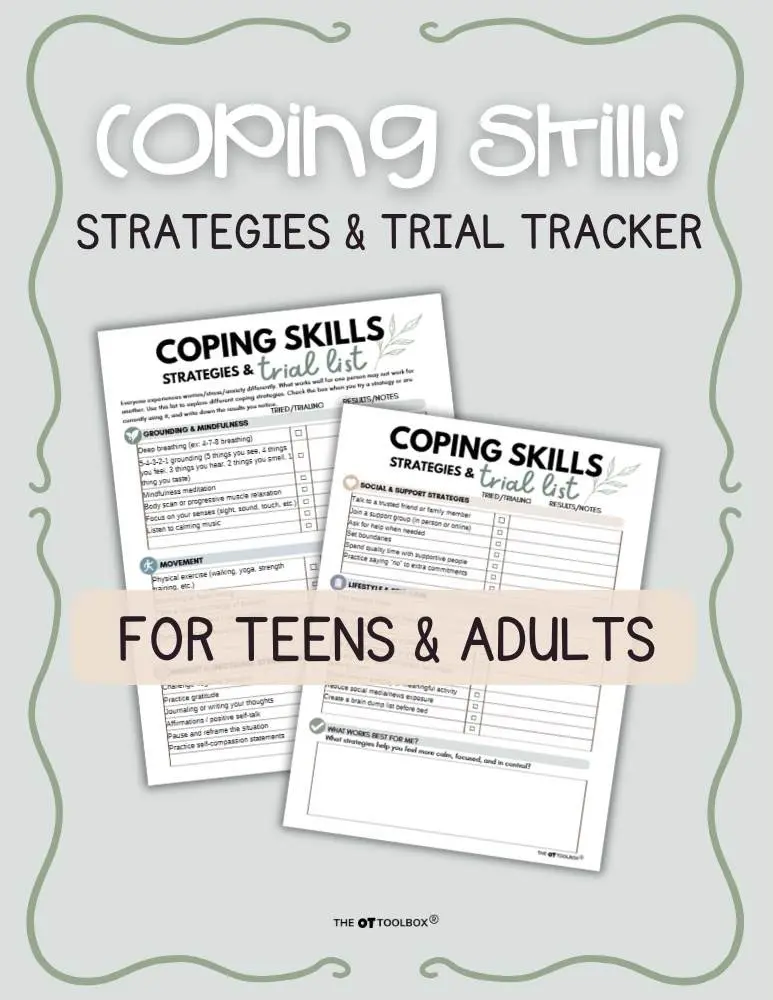
A new mental health resource has been introduced to help individuals and professionals navigate the often complex landscape of anxiety management. Designed to move away from the trial-and-error approach that many experience when dealing with stress, the initiative features a specialized coping skills printable and trial tracker. Developed in conjunction with the Daily Cup Reset Project—a social media initiative focused on nervous system regulation across platforms like Facebook, Instagram, and TikTok—the tool aims to provide a structured, evidence-based method for identifying what truly works for emotional and physical well-being.
Anxiety is widely recognized as a deeply individualized experience. While some individuals manifest symptoms through cognitive overload, such as racing thoughts and a diminished capacity to concentrate, others experience distinct physical reactions. These physical indicators can range from muscle tension, persistent headaches, and gastrointestinal discomfort to generalized restlessness and profound fatigue. Furthermore, anxiety frequently disrupts daily routines, impacting sleep hygiene, professional productivity, social engagement, and executive functioning skills. Because the presentation of stress varies so drastically from person to person, clinical professionals and educators have long noted that a coping mechanism effective for one individual may yield entirely different results for another.
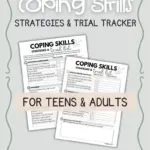
The newly released coping skills printable addresses this challenge by encouraging a systematic exploration of various strategies rather than relying on random techniques in moments of high stress. Created for use by occupational therapists, professional counselors, educators, and adults managing stress independently, the worksheet functions as a practical instrument for self-reflection and emotional regulation. By systematically documenting attempts, noticing emerging patterns, and tracking specific physiological or emotional responses, users can gradually construct a personalized coping toolbox tailored to their unique neurological needs.

At the core of the initiative is a focus on why structured coping skills matter. Experts emphasize that effective coping mechanisms do not magically eradicate anxiety entirely; instead, they serve to lower the intensity of acute symptoms and restore an individual’s capacity to participate in meaningful daily activities. The overarching objective is to foster deep self-awareness, helping both the mind and the body function at their optimal levels through intentional routines and actions.
The strategies categorized within the tracking framework span several interconnected domains, beginning with grounding and mindfulness. Grounding techniques are specifically highlighted for their ability to interrupt repetitive thinking patterns and future-oriented worries by forcefully anchoring attention in the present moment. Among these, deep breathing exercises play a pivotal role in modulating the autonomic nervous system to mitigate the physical manifestations of stress. Similarly, the structured 5-4-3-2-1 grounding technique directs cognitive focus away from internal distress and toward immediate sensory surroundings by identifying specific items within the environment. Complementing these are broader mindfulness practices, which cultivate a non-judgmental awareness of emerging emotions and bodily signals before they escalate into overwhelming states.
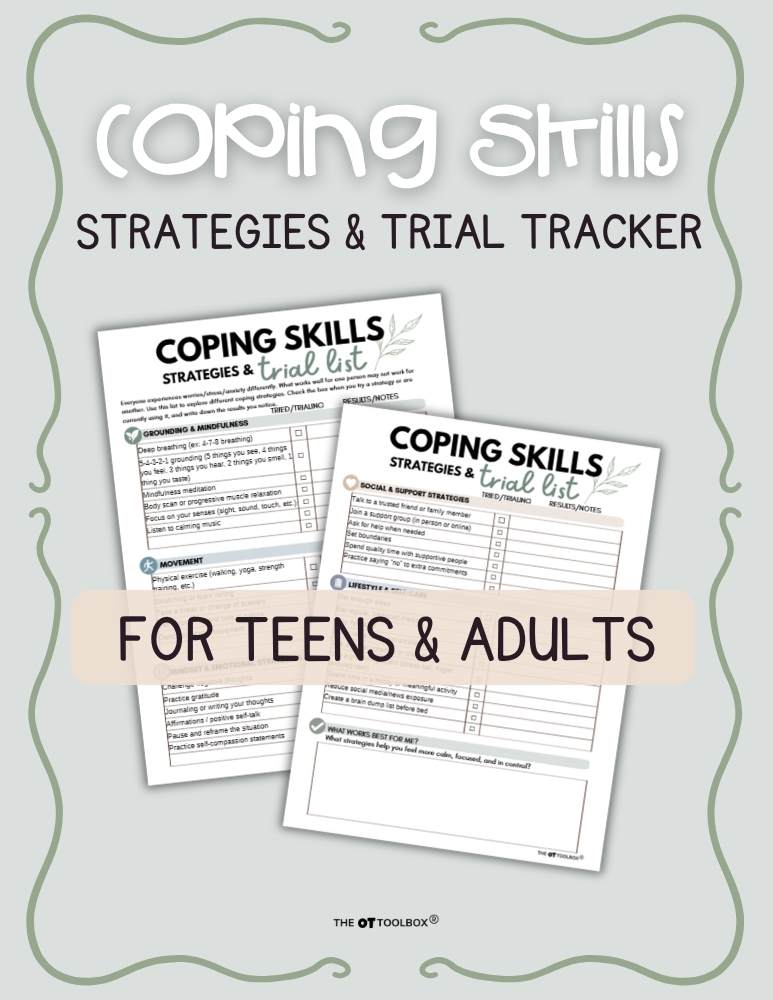
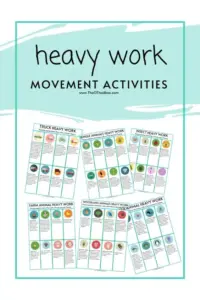
Beyond cognitive grounding, the initiative emphasizes the profound impact of physical movement and well-being on emotional regulation. Physical activity stimulates the release of endorphins while helping to discharge the physical tension accumulated during stressful episodes. Importantly, movement does not necessitate intense athletic exertion; accessible activities such as walking, gentle stretching, yoga, or simply shifting one’s physical environment can offer substantial regulatory support. Within this category, heavy work activities are noted for providing essential proprioceptive input, which naturally promotes a sense of physical calm and heightened body awareness. These movement-based strategies integrate seamlessly into broader sensory lifestyles and specialized sensory diets used by occupational therapy professionals.
Cognitive reframing and emotional regulation also form a critical pillar of the framework. Anxiety frequently distorts thinking patterns, manifesting as catastrophic assumptions, repetitive worries, or negative self-talk that impairs overall mindset. To counter these cognitive barriers, the resource incorporates journaling to externalize and organize overwhelming thoughts, thereby reducing mental fatigue. Positive self-talk and gratitude exercises are similarly integrated to challenge automatic negative thoughts and redirect attention toward personal strengths and positive experiences. Through cognitive reframing, individuals learn to evaluate their thought processes more objectively, supporting long-term emotional resilience.
Recognizing that human beings are fundamentally wired to regulate through interpersonal connections, the framework also incorporates social and support strategies. Supportive relationships can significantly alleviate emotional burdens and foster a deep sense of safety. While many adults experience internalized pressure to manage psychological stress entirely on their own, professional insights maintain that social support remains one of the most powerful protective factors for overall psychological health.
Foundational lifestyle habits round out the comprehensive approach. Daily routines involving adequate sleep hygiene, proper hydration, balanced nutrition, and consistent daily structures exert a powerful influence over nervous system stability. Although these foundational habits often appear deceptively simple, experts note that consistent adherence to them creates cumulative, meaningful improvements in anxiety management over time.
A major hurdle addressed by the new resource is the common tendency to abandon a coping strategy after a single trial during a moment of peak distress. The framework distinguishes between immediate coping tools—such as deep breathing or sensory shifts that can alter physiological states within minutes—and longer-term strategies that demand consistency and repeated practice before their benefits become apparent. For sustained strategies, the tracker recommends a trial period of approximately one to two weeks to gather accurate data on their efficacy, preventing individuals from discarding potentially valuable tools prematurely.
To maximize the utility of the printable, users are encouraged to document specific observations rather than vague assessments. By noting concrete changes—such as reduced shoulder tension, improved focus despite lingering worry, or enhanced sleep onset—individuals can objectively evaluate which categories of intervention yield the best outcomes. Over time, these detailed notes reveal clear patterns, empowering users to curate an effective, personalized coping toolbox grounded in real-world experience rather than guesswork. Developed by veteran occupational therapist Colleen Beck, OTR/L, the resource is now available to support therapists, educators, and individuals seeking structured, evidence-based approaches to emotional well-being.