







As the calendar turns toward December, the holiday season brings with it a familiar dual experience: a surge of festive anticipation shadowed by the inevitable pressure of mounting to-do lists and social obligations. For one individual, this time of year serves as an annual mission to counter the weight of the season with a simple, deliberate effort to spread joy and alleviate stress. Much like the legendary Johnny Appleseed, who traveled across the American frontier sowing seeds for future harvests, this proponent of joy roams the modern world planting moments of connection. The "seeds" in this instance are not botanical; they are intellectual, whimsical, and thoroughly sprinkled with humor.
The centerpiece of this seasonal tradition is a modest, two-inch round pin worn prominently throughout the month of December. The design is intentionally cryptic: a vibrant green letter "L" encased within a red circle, bisected by a diagonal slash—an icon that instantly evokes the universal "no-smoking" signage found in public spaces. When curious observers inquire about the pin’s significance, the wearer does not offer an immediate explanation. Instead, they invite the inquirer to solve the puzzle, relying on the psychological reality that much of the pleasure derived from humor stems from the "aha!" moment of cognitive resolution.
The riddle is simple, yet effective. When prompted to consider the context of the holidays, the viewer eventually realizes that the red slash indicates a negation, transforming the pin into a sign that reads "No-L." When spoken aloud, the phonetics reveal the intended meaning: "Noel." As soon as the connection is made, the result is almost immediate. Faces brighten, smiles emerge, and a spontaneous chuckle often follows. In that brief exchange, the individual’s focus shifts from the internal or external pressures of their day to the immediate, uncomplicated pleasure of discovering a clever play on words. This moment of delight often lingers as a pleasant memory, long after the physical encounter has concluded.

While the wearer cannot know the specific burdens—whether they be professional stress, personal anxiety, or feelings of isolation—that a stranger might be carrying, they recognize that a shared experience of discovery can act as a bridge. This interaction demonstrates that one does not need a deep understanding of another person’s struggles to offer them a meaningful moment of respite. During the high-stakes, high-stress atmosphere of the holidays, such a moment of joy is frequently the most valuable gift one can offer.
The connection between this "No-L" pin and the broader psychological landscape of the holidays is profound. Although the season is culturally coded as a time of celebration, it is also a period characterized by financial strain, family tensions, profound loneliness, and the acute pain of grief for those missing loved ones. For many, these factors coalesce into increased stress, anxiety, or symptoms of depression. Humor, therefore, functions as a vital mechanism for softening these experiences and providing a necessary emotional release.
According to psychological insights, humor operates through four interconnected pathways that alleviate distress and enhance overall well-being, not just during the festive season but throughout the entire year. The first pathway is the physical reaction of laughter. When the "No-L" pin triggers a laugh, it produces tangible physical sensations, helps to relieve muscle tension, and encourages a state of relaxation. Scientific research suggests that laughter can effectively reduce the levels of cortisol, the hormone primarily associated with the body’s physiological stress response. By lowering cortisol, humor acts as a biological buffer against the wear and tear of a stressful environment.
The second pathway is the experience of mirth. Mirth is the emotional state of joy and uplift that accompanies humor, even in instances where an audible laugh is absent. This emotional state can effectively soften the edges of emotional distress and introduce feelings of pleasure into a day that might otherwise feel heavy or mundane. It is a psychological pivot that changes the emotional temperature of an experience.
Third, humor engages wit, a cognitive response that relies on the recognition of incongruities. Wit involves the ability to discover unexpected meanings and to shift one’s perspective. Because human emotional experiences are heavily influenced by interpretation, wit allows individuals to view challenging situations through a different lens. When someone successfully deciphers the "No-L" pin, they are engaging in a moment of cognitive flexibility, shifting their attention away from their current worries to the task of puzzle-solving.
This cognitive shift echoes the sentiments of Shakespeare, who famously noted in Hamlet that "there is nothing either good or bad, but thinking makes it so." This observation reminds us that while we cannot always control our circumstances, we have agency over the meaning we assign to them. Humor facilitates this process by introducing alternative perspectives, interrupting the momentum of negative thinking patterns, and encouraging a more flexible cognitive state. These shifts can lead to a measurable reduction in emotional distress and enable individuals to respond more effectively to the challenges they face.
Finally, humor activates what researchers refer to as "Relational Fusion"—the interpersonal connection that is fostered through shared amusement. Humor acts as a social glue, reinforcing the bonds between people, and a social lubricant, easing the tension that often permeates interpersonal interactions. Even a fleeting, humorous encounter between two strangers can generate a moment of genuine connection. Such encounters serve to buffer stress and reduce the pervasive feeling of isolation that often accompanies modern life.
The project of the "No-L" pin has evolved far beyond a single accessory. Once a stranger solves the mystery, the wearer often gifts them a pin of their own. The gift is not the plastic item itself, but the experience it facilitates and the opportunity for that experience to be replicated elsewhere. Over the course of several decades, this tradition has effectively created an unintentional network of individuals who continue to propagate the joke. The creator frequently encounters restaurant staff, retail clerks, and other members of the public who are still wearing pins gifted to them years prior. They have become an informal army of "Santa’s little helpers," spreading humor and delight to those they encounter in their own lives. These recurring sightings serve as a reminder that small, intentional acts of playfulness can have lasting, expansive effects.
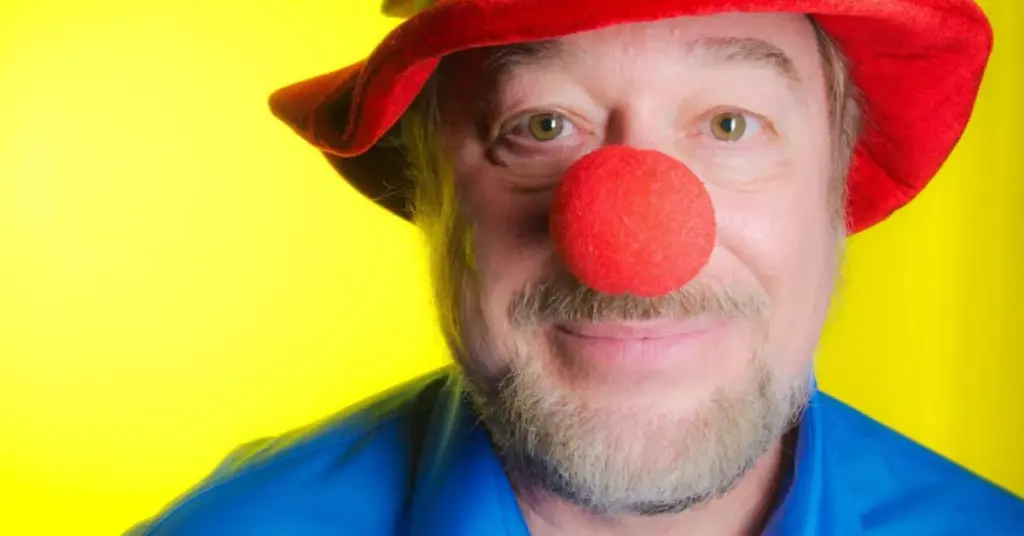
This philosophy of small-scale, intentional joy is not limited to pins. It extends to other forms of holiday expression, such as wearing festive hats or sweatshirts designed to invite conversation and smiles. One particular favorite, influenced by a long-standing appreciation for Star Trek, features a decorated Christmas tree with the caption, "Trek the Halls." These props serve as invitations to others to engage in a moment of shared humor. In previous years, the creator also distributed thousands of red clown noses, which, with a touch of holiday imagination, were transformed into Rudolph’s nose. These items are still in circulation, worn by the creator and gifted to those who express an interest in sharing the cheer.
Ultimately, the goal is not to suggest that humor can eliminate the deep-seated stresses of life or the realities of holiday-related struggles. Rather, the point is that humor can fundamentally change how we experience those stresses. It has the power to relax the body, lift the spirit, refresh our cognitive approach to problems, and strengthen our connections with the people around us.
As the current holiday season progresses, the message remains simple: consider becoming a "Johnny Appleseed of humor." By planting small, intentional seeds of joy through a playful observation, an unexpected twist, or a moment of shared amusement, one can brighten the day for others. We never truly know how far those seeds might travel, or how long they may continue to flourish in the lives of those who encounter them.