








As the school year winds down and families transition into the unstructured rhythm of summer vacation, pediatric occupational therapists are emphasizing the vital role that sensory processing plays in child development, behavior, and emotional regulation. To combat the common summer pitfalls of excessive screen time and the sudden loss of structured daily routines, childhood development advocates are rolling out newly updated resources, including targeted sensory play guides, specialized summer camp strategies, and accessible sensory circuit frameworks designed for home and classroom environments.
The initiative, spearheaded by pediatric occupational therapy resources like The OT Toolbox, aims to bridge the gap between clinical intervention and everyday summer fun. Experts note that while summer naturally offers an abundance of rich sensory experiences—ranging from trips to the sandy beach and afternoon pool days to unstructured backyard exploration—children often miss the consistent movement and regulatory input they receive during the traditional school day. Without these anchor points, children can struggle with attention, self-regulation, and transitions, making intentional sensory integration a key component of a successful summer.
Reimagining Summer Play Through a Sensory Lens
When parents and educators think of summer, they often envision classic outdoor pastimes, yet many believe that implementing effective occupational therapy strategies requires expensive, specialized equipment. Pediatric specialists are working to dispel this notion by highlighting how everyday household items and simple, low-cost activities can successfully deliver the necessary sensory input. By pairing daily routines with straightforward movement strategies, families can seamlessly incorporate developmental support into everyday life.

For parents navigating long summer days, incorporating heavy work and active play can significantly alter a child’s sensory processing input options. Simple household tasks, such as carrying laundry baskets, pushing wagons, digging in the garden, or assisting with yard work, provide vital proprioceptive input. This heavy work helps organize the nervous system, supporting attention, emotional regulation, and learning readiness while encouraging children to spend more time actively exploring their physical environment.
Similarly, the vestibular system—which governs balance, movement, and head position—benefits immensely from unstructured outdoor play. Traditional summer activities like swinging, swimming, rolling down grassy hills, and navigating backyard obstacle courses provide invaluable vestibular input. Occupational therapists point out that replacing even a fraction of daily screen time with these active movement experiences helps support postural control, coordination, and visual attention, giving the developing brain the exact type of movement it requires for healthy processing and regulation.
Structured Sensory Circuits for Summer Classrooms and Homes
For educators, camp counselors, and therapy providers managing summer school classrooms or specialized camps, maintaining a balanced environment requires activities that can effectively alert, organize, and calm a group of children. To address this need, professionals are increasingly turning to sensory circuits.
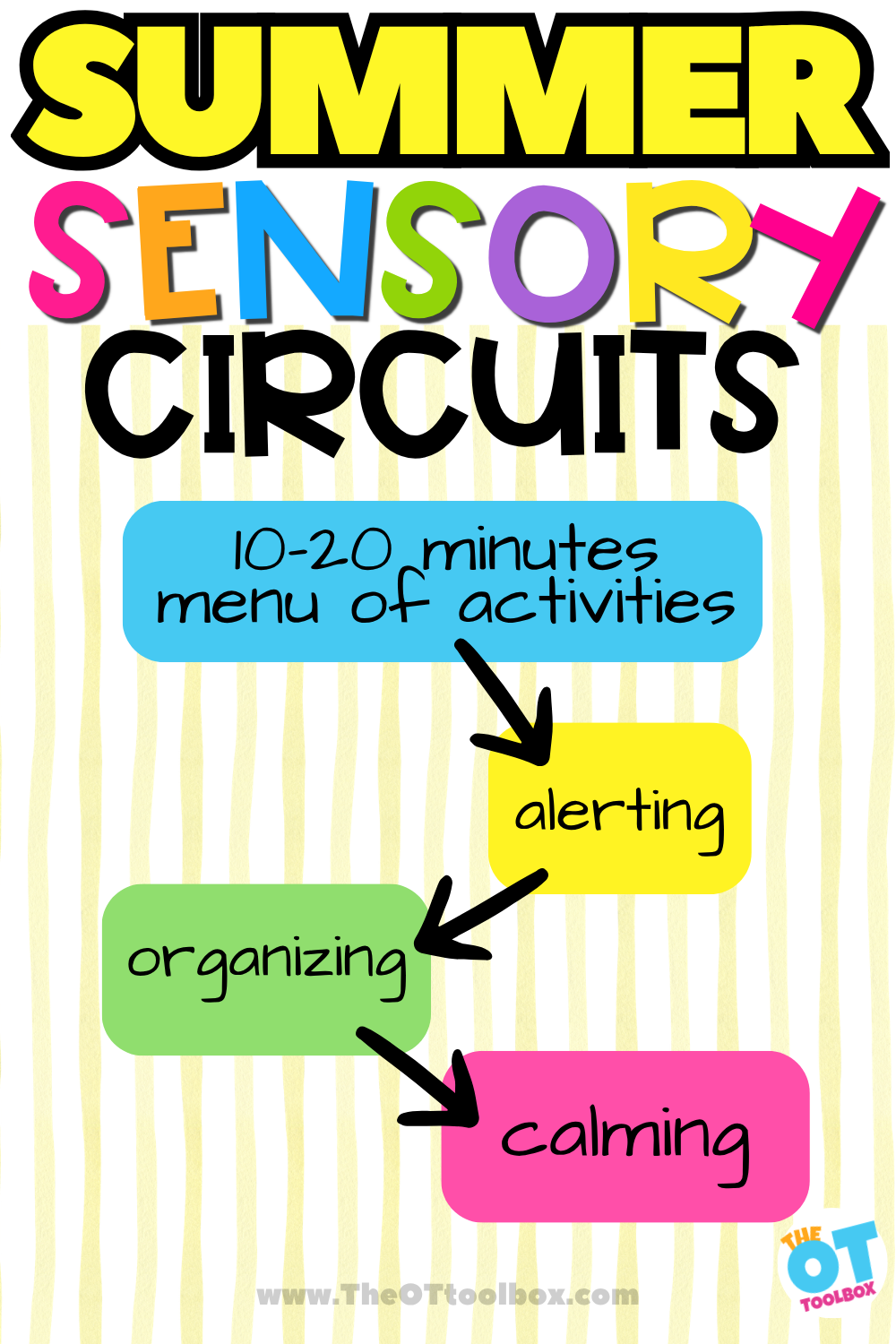
Unlike a traditional, complex sensory diet that weaves various strategies throughout an entire day, a sensory circuit simplifies the process into a predictable, structured 10-to-20-minute routine. Designed around a simple activity menu, the circuit relies on a specific, three-step neurological progression: alerting activities to wake up the system, organizing activities to build focus and coordination, and calming activities to center and ground the child.
Experts explain that this intentional sequence helps children achieve the "just right" level of alertness needed to focus, learn, and handle transitions smoothly. By streamlining sensory interventions into bite-sized, repeatable formats, busy families and educators find it significantly easier to maintain consistency, whether managing a morning routine or resetting after a chaotic midday break.

Expanding Therapeutic Resources for Parents and Professionals
To further support families, teachers, and clinicians navigating the summer months, developmental experts have curated extensive collections of specialized materials. These include comprehensive guides covering tactile exploration, oral motor exercises, pool noodle games, water play, and nature-based crafts designed to stimulate fine motor development, bilateral coordination, and visual-motor integration.
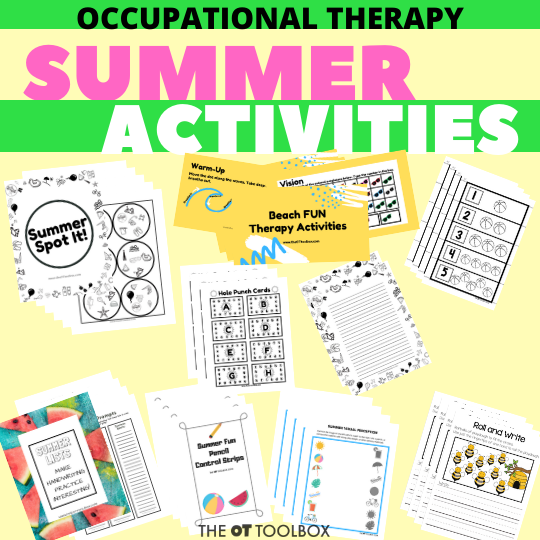
Additionally, comprehensive toolkits and activity packets—such as the Summer Occupational Therapy Activities Packet and broader resource bundles offered through professional platforms—provide ready-to-go materials for home programs, tutoring sessions, and summer camps. These collections feature printable resources, handwriting prompts, movement games, and teletherapy slide decks aimed at sustaining developmental momentum year-round.
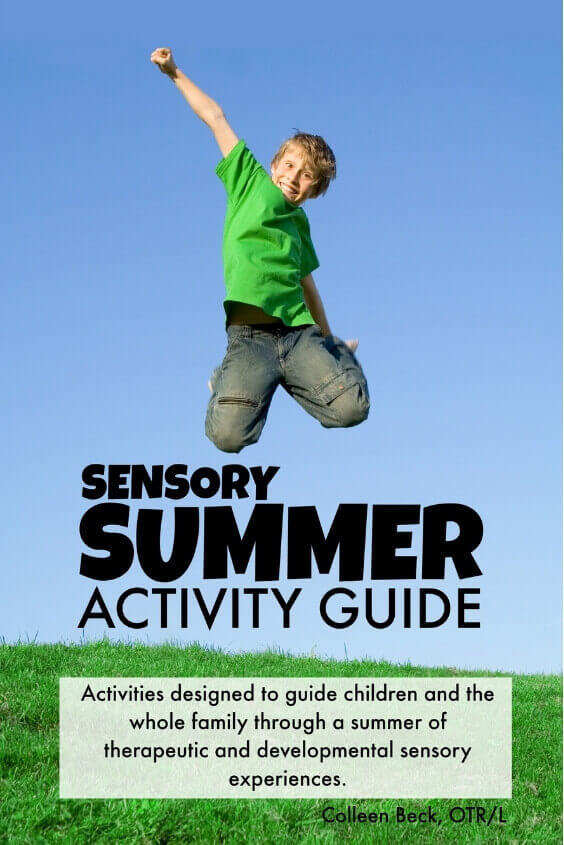
Founded by veteran occupational therapist Colleen Beck, OTR/L, who has spent decades working across school-based, outpatient pediatric, early intervention, and clinical settings, these resources continue to serve as vital tools for parents, teachers, and fellow clinicians striving to help children thrive through accessible, play-based interventions.