




Endowed with the voice of an angel and a quick-witted physicality that she has used to masterful effect throughout her storied career, Dolly Parton has cemented a legacy that transcends her contributions to country music. While cultural narratives often scrutinize the personal lives of public figures, Parton has largely avoided the tropes of criticism often directed at women without children. Instead, she stands as a global beacon of balance, generosity, and irrepressible humor. By choosing to channel her resources and energy into widespread philanthropic endeavors rather than the traditional path of motherhood, she has demonstrated that a life’s legacy is defined by the impact one leaves on the collective human experience.
Parton’s most significant contribution to the next generation is the Imagination Library. Despite not having children of her own, her program currently benefits more than three million youth aged five and younger across the globe. Each month, the initiative delivers books directly to children at no cost, effectively planting the seeds for future literacy and fostering a lifelong love of reading. Reflecting on the philosophy behind this massive undertaking, Parton has famously noted, “The seeds of dreams are often found in books, and the seeds you help plant in your community can grow across the world.”
This model of giving is frequently quiet, woven into the very fabric of an individual’s character rather than performed for public acclaim. For many who exist outside the mainstream experience of parenthood, the societal pressure to justify their status can be immense. When faced with inquiries about why they have chosen not to have children—or why they do not have them—many people find themselves equivocating. Part of the reluctance to share these personal narratives stems from the inherent complexity of living a life that deviates from the standard family trajectory. Being a non-parent is a fundamental element of one’s identity, not a commentary on their personal value or their commitment to the welfare of others.

The role of childless and childfree individuals in the broader landscape of philanthropy is frequently underestimated, yet their contributions remain vital. Whether through the support of extended family members or by directing time and financial resources toward charitable organizations, this demographic makes a mark that is far from insignificant. There is a quiet, steady power in the way childless individuals engage with their communities, often filling gaps in social services and supporting those in need with a dedication that stems from a deep sense of civic responsibility.
Statistical evidence supports the assertion that those without children are highly committed to long-term charitable impact. A study conducted by Russell James, who served as a Professor of Charitable Financial Planning at Texas Tech from 1992 to 2012, highlighted a significant trend in estate planning. The research found that 50 percent of childless decedents left money to philanthropic organizations, compared to only 17.1 percent of those with children. This data suggests that the lack of direct descendants does not equate to a lack of concern for the future; rather, it often redirects a person’s life’s work toward broader social causes.
Despite this clear propensity for giving, those who are childless or childfree often lack a cohesive mechanism to pool their resources or organize for lasting, large-scale change. The potential for such a collective is immense. If a structured, unified approach existed, this demographic could theoretically band together to address some of the most pressing challenges of the modern era, from balancing the disparities in the intergenerational transfer of wealth to combating the existential threat of climate change or addressing systemic food insecurity. Currently, however, the routes for the unification of this demographic remain scarce and underdeveloped.
The desire for such a community is palpable. Prior to the COVID-19 pandemic, a local community foundation organized an event specifically for women donors who do not have children. The response was overwhelming; the event was packed, and participants expressed an urgent desire for future gatherings tailored to their specific interests and experiences. Although the organization initially agreed to support further initiatives, the momentum stalled, and years later, a follow-up event has yet to come to fruition. The silence surrounding the lack of follow-through remains a point of frustration for those who recognize the untapped potential of such networks.
Despite the institutional inertia, the initial event proved that there is a hunger for connection. As a direct result of that first gathering, several new donor-advised funds were established, and numerous professional and personal friendships were formed. Many participants left with a clearer vision of how they could structure their assets to benefit the public good. For instance, some have opted to dedicate their donor-advised funds to support early childhood literacy upon their passing, ensuring that their resources continue to foster education long after they are gone.
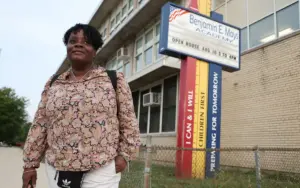
This commitment to the next generation is often personal and hands-on. After transitioning away from a full-time professional career, many individuals find fulfillment in donating years of service to their local schools. Supporting children who struggle with the fundamentals of reading and writing provides a unique sense of connection to the community. The simple, honest gratitude expressed by students—whether through the warmth of a morning greeting or the heartfelt drawings placed in a memory book upon a volunteer’s departure—serves as a profound, lasting reward that nourishes the soul.
For those who are still star-struck by Parton’s fame, it is easy to overlook the intentionality behind her actions. Her power lies not only in her entertainment value but in her role as a model for how to make the world a better place. By serving as an example of how one can thrive and contribute meaningfully to their community without having children, she provides a blueprint for a life well-lived. She offers a compelling answer to the question of what constitutes a legacy. By prioritizing literacy, community support, and an open-hearted approach to humanity, Parton demonstrates that a life of service is the ultimate testament to one’s values. For those navigating their own paths without children, her life serves as an enduring inspiration, proving that one does not need to follow a traditional path to be a transformative force in the world. As we look to the future, the example set by those who choose to invest their lives in the collective well-being of others remains one of the most powerful tools we have for building a more generous and literate society.