





By Michelle Diament | October 16, 2026
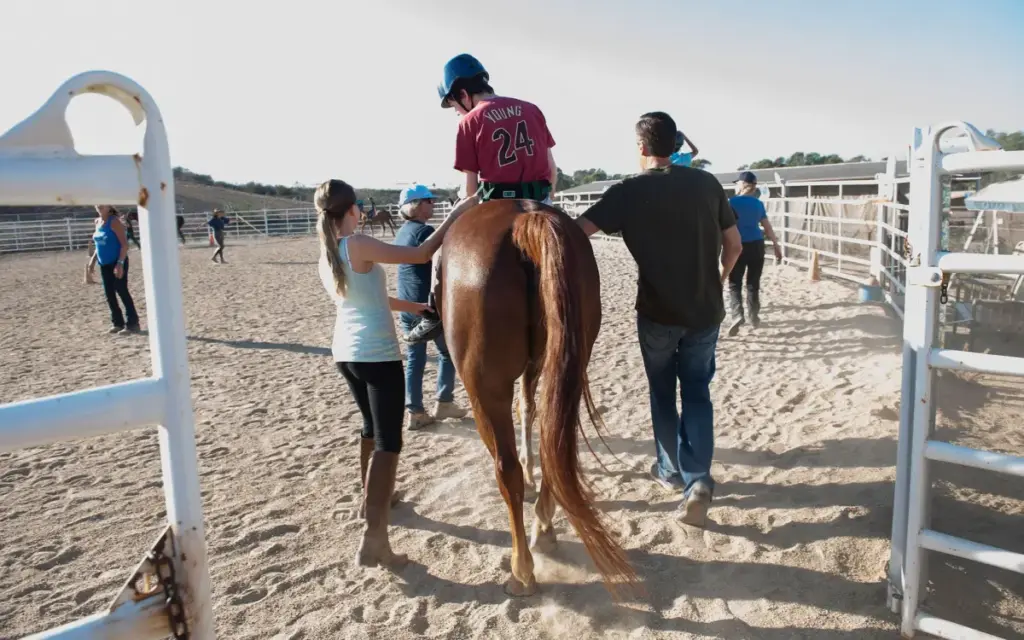
Riding horses or simply spending structured time around them can make a profound difference for children with autism, helping to significantly reduce hyperactivity and boost critical social skills, according to new research published this month in the journal Pediatrics.
In a rigorous study involving 236 children diagnosed with autism and co-occurring psychiatric conditions, researchers discovered that participating in either a therapeutic horseback riding program or structured barn activities brought about meaningful, measurable benefits. The findings offer fresh insights into how alternative, non-clinical interventions can complement traditional therapies for youth navigating developmental and behavioral challenges.

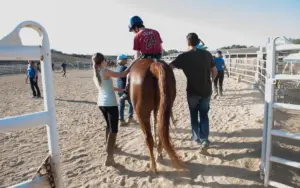
The study participants, all of whom were between the ages of 6 and 16, were divided into different groups to test the effects of equine-assisted activities. Some children were assigned to receive therapeutic horseback riding once a week for a period of 10 weeks. Others took part in a barn activity group where they were exposed to horses, observing and participating in stable management and related tasks, but did not physically ride or directly interact with the animals in the saddle. A third group served as a control cohort, undergoing a waiting period before participating in the barn activity for five weeks, followed by five weeks of hands-on riding lessons.
Upon evaluating the children after the intervention periods, the researchers observed notable positive shifts across the board. Both the active riding program and the non-riding barn activities led to significant drops in irritability and hyperactivity among the participants. Furthermore, the children demonstrated measurable improvements in emotional regulation and overall social behaviors, suggesting that the immersive environment of an equestrian center holds intrinsic therapeutic value.
However, a closer examination of the data revealed a distinct advantage for those who actually mounted and rode the animals. The greatest impact on hyperactivity specifically was observed among the children in the riding group, highlighting a unique physiological and psychological benefit native to the physical act of horseback riding.
"There is something about riding a horse that is particularly helpful for kids with hyperactivity," said Robin Gabriels, a professor of psychiatry at the University of Colorado who led the clinical study.
The rhythmic, three-dimensional movement of a horse walking requires a rider to constantly make subtle postural adjustments to maintain balance and alignment. Researchers have long theorized that this continuous physical feedback stimulates the vestibular system—which processes balance and spatial orientation—helping individuals improve core stability, body awareness, and self-regulation. For children with autism who frequently struggle with sensory processing and motor restlessness, this dynamic physical engagement can translate into calmer, more focused behavior once they are back on solid ground.
While the study underscores the promising benefits of equine-assisted programs, the researchers emphasized that horseback riding is not necessarily a universal fix or right for every child on the autism spectrum. Factors such as sensory sensitivities, fear of animals, physical limitations, or logistical and financial barriers mean that equine therapy must be considered on an individual basis. Rather than viewing it as a standalone cure, the study authors frame therapeutic riding as a valuable, highly engaging way to supplement existing clinical and educational treatments.
"Working with horses gives these kids a chance to do something active, social, and engaging," Gabriels noted. "For some children, that may be a particularly effective way to help them develop skills that can be difficult to teach in a traditional clinical environment."
Traditional clinical environments, such as office settings or classroom-style behavioral therapy sessions, often rely heavily on verbal communication, structured drills, and artificial social scenarios. In contrast, an equestrian center offers a dynamic, sensory-rich, and intrinsically motivating environment. Working around large animals requires cooperation, patience, non-verbal communication, and adherence to safety routines, all of which provide naturalistic opportunities for social and emotional growth. Children learn to read animal body language, regulate their own emotional states to keep the animals calm, and work collaboratively with instructors and peers.
The publication of these findings adds robust empirical backing to a practice that has long relied on anecdotal success stories from parents, instructors, and participants. Therapeutic riding centers have operated across the country for decades, frequently reporting transformative changes in their students’ self-confidence, motor skills, and social engagement. By putting these programs to the test through a controlled study involving hundreds of youth with complex psychiatric and developmental needs, researchers hope to pave the way for wider acceptance, integration, and potentially insurance or programmatic support for equine-assisted therapies within the broader healthcare and developmental disability landscapes.