WASHINGTON, DC — ZERO TO THREE, the nation’s leading early childhood development nonprofit dedicated to ensuring that all infants and toddlers have a strong and healthy start in life, has expressed strong encouragement regarding President Biden’s proposed fiscal year 2025 budget. The organization highlights that the federal spending plan incorporates essential, much-needed funding for public programs designed to build a solid foundation for young children and their families across the United States.
The announcement comes as early childhood advocates review the comprehensive fiscal blueprint, which touches upon several critical pillars of family well-being and developmental health during the crucial first years of a child’s life. According to leadership at ZERO TO THREE, the proposed investments reflect a vital recognition of the unique needs of infants and toddlers, aligning closely with advocacy efforts that have long emphasized the importance of federal backing for the youngest members of society.
A Vision for Fairer Family Support
Miriam Calderón, Chief Policy Officer at ZERO TO THREE, emphasized the broad-reaching positive impact the budget could have on American families if enacted into law.

"If implemented, President Biden’s budget released today will make our nation a better and fairer nation to have and raise a baby," said Calderón. "ZERO TO THREE has urged Congress and the Administration to prioritize the needs of babies and their families in five key areas: maternal health, infant and early childhood mental health, child care, housing, and economic security."
Calderón noted that the budget builds upon the broader vision outlined during the President’s State of the Union address, where a pathway was laid toward a future where families are empowered and granted genuine choices regarding their children’s futures and development. The proposed fiscal year 2025 budget expands significantly on this vision by introducing targeted proposals intended to address virtually all facets of early childhood growth and family stability.
The framework emphasizes that early childhood development is not isolated from broader economic and social factors. Instead, the well-being of an infant is inextricably linked to the health, economic security, and mental wellness of their caregivers, as well as the stability of their home and community environments.
Prioritizing the Five Core Areas of Early Childhood Development
The advocacy work of ZERO TO THREE centers heavily on a comprehensive framework known as the "State of Babies," which evaluates conditions nationwide across five critical domains. The newly proposed federal budget seeks to address these interconnected areas through targeted federal investments and programmatic support.
Maternal health remains a foundational concern, as the well-being of infants is deeply connected to the health outcomes of mothers before, during, and after pregnancy. Addressing maternal mortality rates and ensuring access to comprehensive prenatal and postpartum care are seen as indispensable steps toward giving every baby an equitable start.

Infant and early childhood mental health represents another vital pillar. Experts at ZERO TO THREE have long championed the inclusion of specialized mental health supports tailored specifically to the earliest stages of life, recognizing that babies experience and process emotional stress, trauma, and secure attachments long before they can articulate them. Ensuring that caregivers and early childhood professionals have the resources to foster positive emotional development is critical for long-term behavioral and cognitive health.
Child care infrastructure is equally central to the discussion. Accessible, high-quality, and affordable child care options remain out of reach for millions of American families, placing immense strain on working parents and limiting the availability of developmentally enriching environments during the period of fastest brain development in human life. Federal proposals aimed at stabilizing and expanding child care access are viewed by advocates as a vital investment in both the workforce of today and the workforce of tomorrow.
Housing stability and broader economic security complete the framework. Chronic housing instability, poverty, and economic volatility create toxic stress environments that can profoundly disrupt early brain architecture and long-term developmental trajectories. Financial relief measures and housing assistance programs proposed within the federal budget are designed to shield families from the harshest impacts of economic insecurity, providing a safer, more stable backdrop for infant development.
The Path Forward in Congress
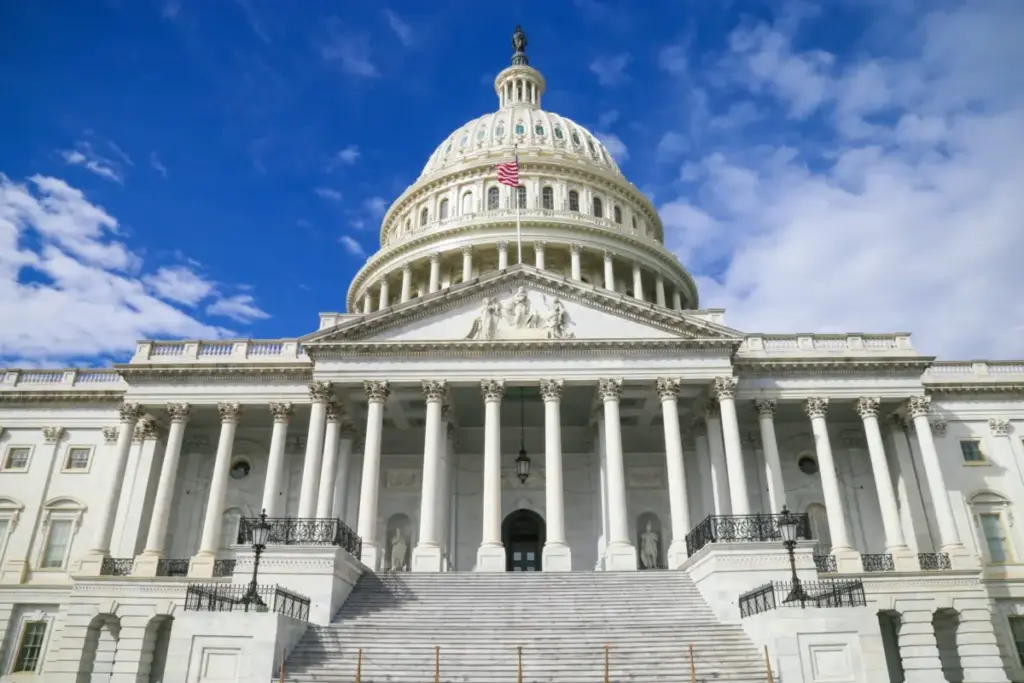
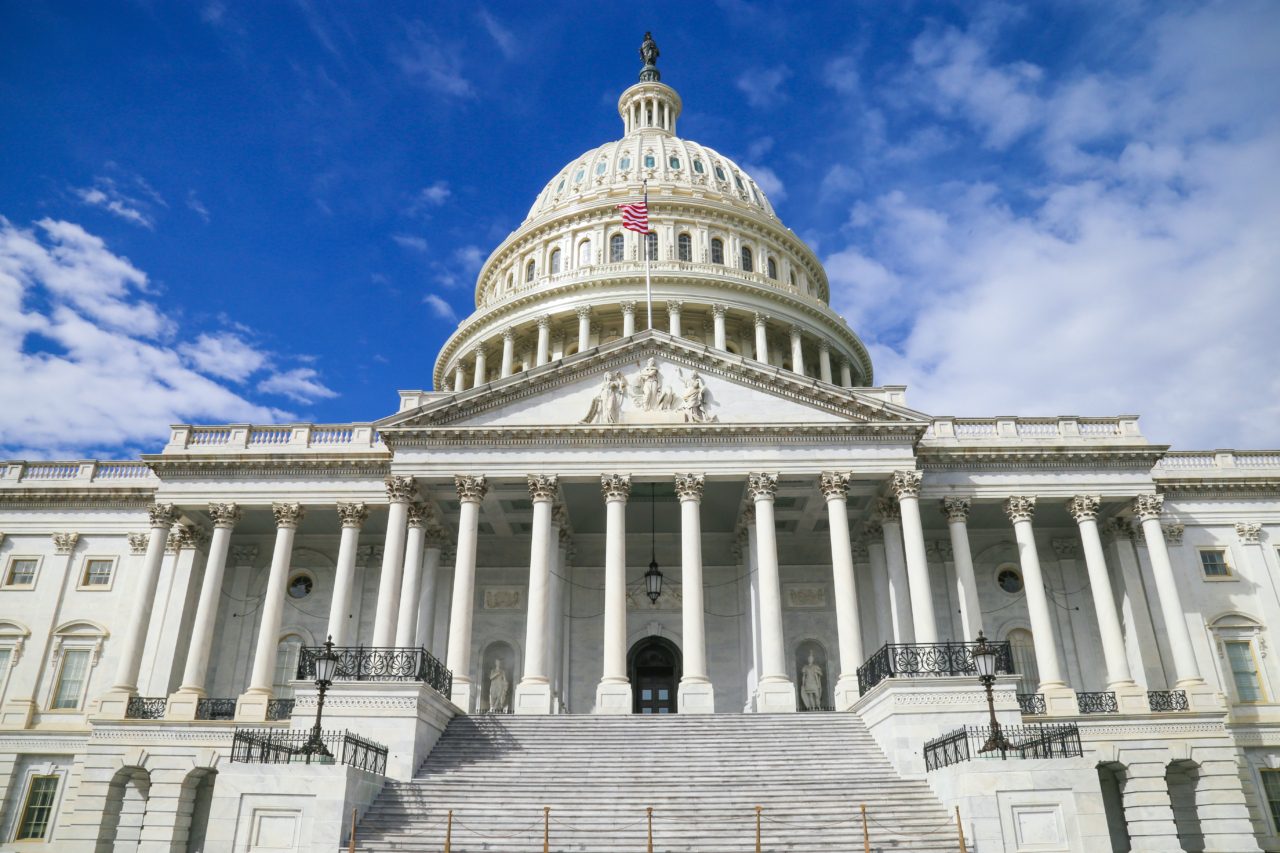
With the release of the President’s budget proposal, the legislative focus shifts from the executive branch to Capitol Hill. The detailed spending plan now serves as a blueprint and a starting point for negotiations among lawmakers, committee leaders, and federal appropriators responsible for drafting the final federal spending bills.

Advocates are wasting no time in calling for bipartisan cooperation and sustained dedication to the needs of young children. The transition from a presidential proposal to enacted legislation requires deliberate coordination and a steadfast commitment from elected officials who champion family and child welfare issues.
"Now, Congress must work with the Administration to deliver for families and babies," Calderón continued, underscoring the urgency of the legislative phase ahead. "We look forward to working with Congressional appropriators and our baby champions on the Hill to make these bold proposals a reality."
As the appropriations process moves forward, ZERO TO THREE and allied organizations plan to continue engaging with policymakers to ensure that the vital programs supporting maternal health, child care, infant mental health, housing, and economic security remain prioritized and fully funded in the final federal budget package sent to the President’s desk.