





WASHINGTON, DC — ZERO TO THREE, the nation’s leading early childhood development nonprofit dedicated to ensuring that all infants and toddlers have a strong and healthy start in life, has expressed strong encouragement regarding President Biden’s proposed fiscal year 2025 budget. The organization highlighted that the newly released federal spending plan incorporates essential and much-needed funding aimed at establishing a robust foundation for young children and families across the United States.
The announcement comes as child development advocates nationwide scrutinize federal spending priorities to gauge their impact on the country’s youngest population. According to ZERO TO THREE, the fiscal year 2025 budget proposal introduces critical investments that directly target the well-being, development, and security of infants and toddlers, aligning with long-standing advocacy efforts from early childhood stakeholders.
“If implemented, President Biden’s budget released today will make our nation a better and fairer nation to have and raise a baby,” said Miriam Calderón, Chief Policy Officer at ZERO TO THREE.

Calderón emphasized that the organization has consistently urged Congress and the Administration to prioritize the comprehensive needs of babies and their families, pointing to five foundational pillars identified by the nonprofit: maternal health, infant and early childhood mental health, child care, housing, and economic security. These five areas form the framework of the organization’s ongoing advocacy and reporting, including its flagship resources that track the well-being of infants across the nation.
The positive reception from child advocates follows the recent State of the Union address delivered by President Biden, during which he outlined a vision for the future aimed at empowering families and expanding choices regarding their children’s upbringing and early development. ZERO TO THREE noted that the proposed fiscal year 2025 budget directly builds upon this vision by putting forth concrete legislative and budgetary proposals designed to address the multifaceted developmental needs of young children during their most crucial formative years.

The proposed budget outlines a series of targeted investments intended to support infants, toddlers, and the broader family units that care for them. These measures are designed to ease financial strains on households, improve access to vital developmental and medical services, and ensure that parents have the resources necessary to nurture healthy child development from birth. By addressing systemic challenges in health care, early education, and family stability, the Administration’s spending blueprint seeks to create a more supportive environment for raising young children.
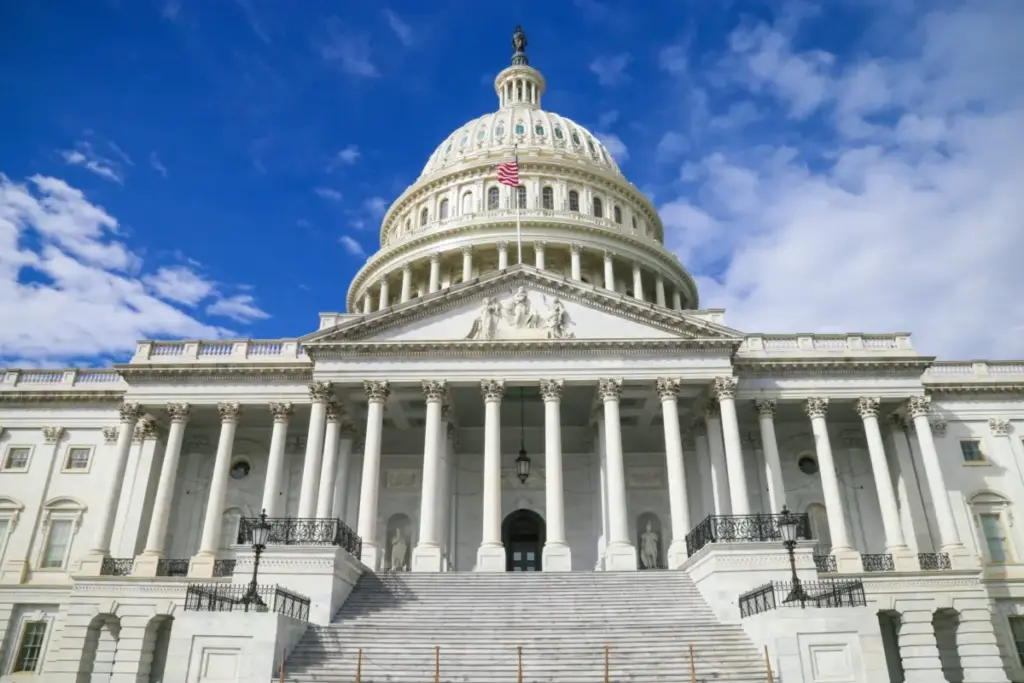
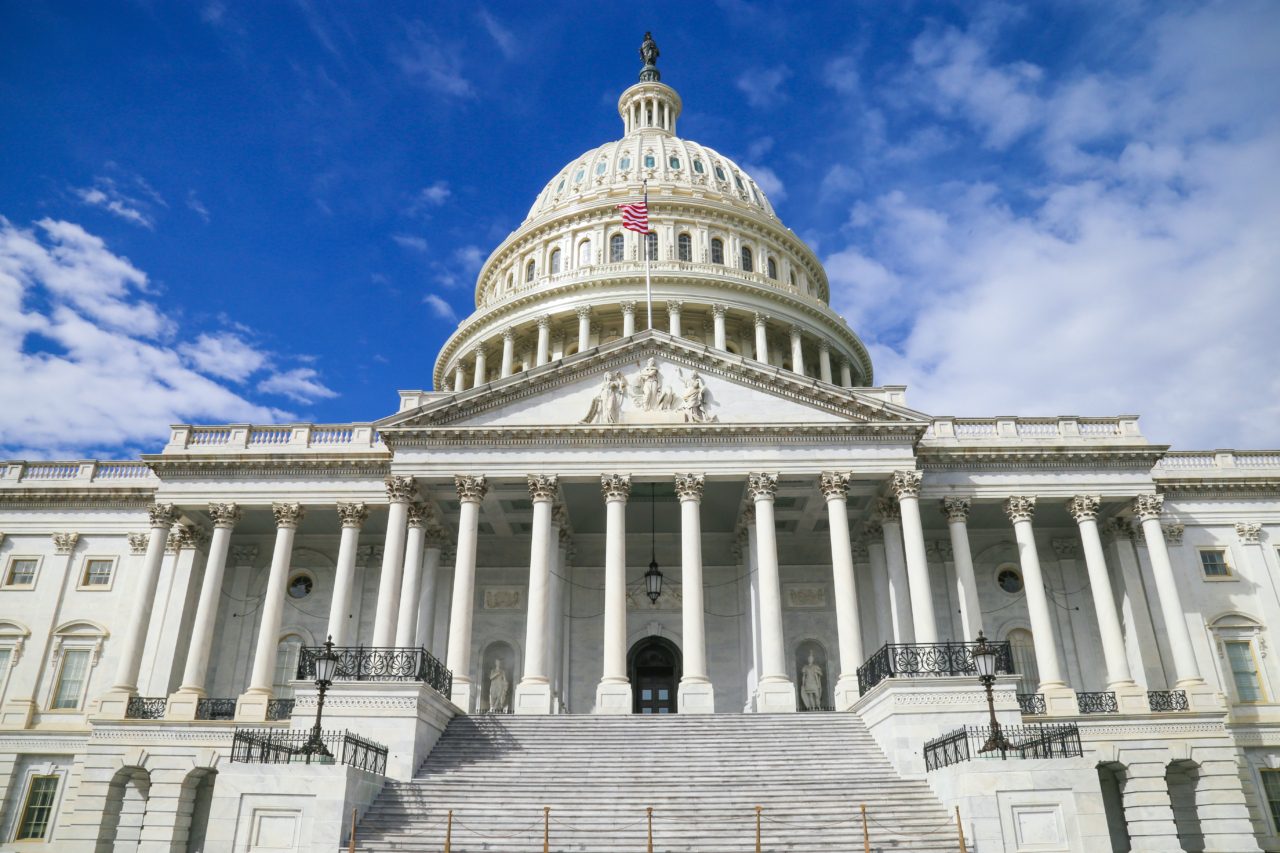
In response to the budget’s release, ZERO TO THREE has turned its attention to Capitol Hill, calling on lawmakers to act on the proposals put forward by the executive branch. The organization stresses that while the budget proposal represents a vital first step, the ultimate realization of these goals depends entirely on legislative action and bipartisan cooperation within the federal government.
“Now, Congress must work with the Administration to deliver for families and babies,” Calderón continued, underscoring the urgency of the legislative process ahead. “We look forward to working with Congressional appropriators and our baby champions on the Hill to make these bold proposals a reality.”

As the federal budget process moves forward, advocacy groups and early childhood development experts plan to engage heavily with lawmakers to ensure that funding for these critical programs remains a priority during congressional hearings and appropriations negotiations. For ZERO TO THREE and its supporters, the overarching goal remains clear: securing a legislative outcome that translates the promises of the fiscal year 2025 budget into tangible, long-lasting support systems for the nation’s babies and their families.