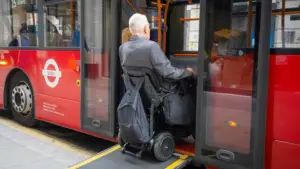








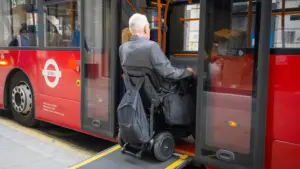

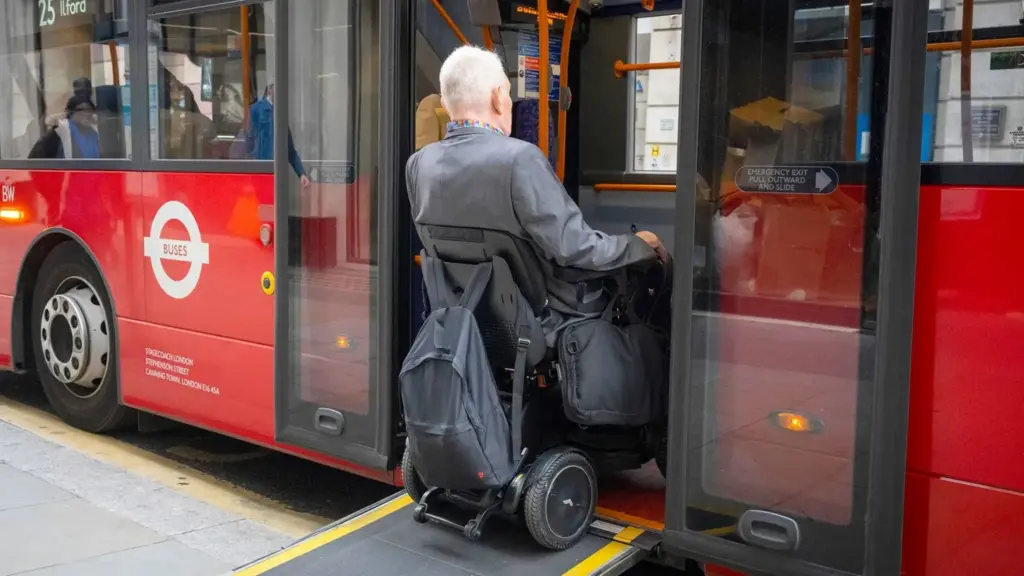
Starting April 1, disabled people across England will be able to travel by bus for free at any time of day, marking a monumental shift in the nation’s public transportation policy. Previously, free bus passes were strictly restricted to off-peak hours on weekdays—specifically between 09:30 and 23:00. These legacy time limits created persistent barriers, making it exceptionally difficult for pass holders to commute to standard morning jobs, arrive early for professional responsibilities, or attend late-night cultural and social events without incurring out-of-pocket costs.
The removal of these restrictive time limits will directly benefit an estimated one million people nationwide. For many disabled residents, this policy evolution transforms local bus networks from a limited daytime convenience into a true full-time lifeline, opening up new avenues for employment, education, and social inclusion.
This transformative policy follows a highly successful pilot program implemented within Greater Manchester’s integrated "Bee Network." The trial demonstrated that lifting time constraints on concessionary travel did not destabilize local networks, but rather provided vital mobility for individuals striving to participate fully in the workforce and community life. Furthermore, the nationwide expansion directly responds to years of persistent campaigning by prominent disability rights organizations, including Scope and Transport for All.
Advocates have enthusiastically celebrated the move, praising the government for eliminating an unfair "postcode lottery" where the validity of a concessionary pass depended heavily on localized municipal rules and regional funding decisions. Despite this major victory, disability advocacy organizations emphasize that this reform is only the first major step toward true transit equity. They note that eligibility requirements and administrative processes across various local authority regions still require broader standardization to ensure seamless travel nationwide.
To secure the longevity and permanence of the program, the £60 million scheme is being funded jointly through the Department for Transport and the Department for Work and Pensions. Government officials have framed the reform as an essential workforce and cost-of-living initiative. This investment aligns with existing transit measures designed to ease financial pressures on the public, such as the nationwide £2 single-fare cap. Moreover, the policy successfully brings England into alignment with similar 24/7 concessionary transit programs that have been successfully operating in Scotland and Wales for years, ending a glaring regional disparity within the United Kingdom.
Global Takeaways: How Other Countries Can Make Accessible Commuting Possible
Making daily commuting accessible and affordable for disabled citizens requires a comprehensive combination of thoughtful policy design, integrated digital systems, and targeted public investment. As transportation authorities around the world look for models to emulate, the British rollout offers valuable lessons on how systemic reforms can bridge the gap between public transit infrastructure and social equity.
Why Was the UK Able to Do It?
The realization of a nationwide, 24/7 free bus pass system in England was made possible through a convergence of political will, sustained civil society advocacy, and collaborative inter-departmental government funding. By pooling resources through both the Department for Transport and the Department for Work and Pensions, the government demonstrated that modern public transit initiatives can simultaneously serve economic, labor, and social welfare goals. The groundwork laid by localized trials, such as Greater Manchester’s Bee Network, provided empirical evidence that all-day accessibility is both economically viable and operationally manageable, smoothing the path for a national rollout backed by a £60 million financial commitment.
Does It Depend on Existing Infrastructure?
The success of free transit initiatives depends heavily on the physical and technological readiness of the underlying public transport network. Free transit passes only truly work if the public transport system itself is physically and technologically accessible to all members of the community. This means that fare policy reforms must go hand-in-hand with continued capital investments in accessible fleet vehicles, low-floor boarding mechanisms, real-time audio-visual passenger information systems, and properly trained transit personnel. Without these foundational infrastructure elements, removing financial barriers through free passes addresses only half of the mobility equation for disabled passengers.
What Is Needed to Make Commuting Affordable for People with Disabilities?
Achieving true affordability and accessibility in public transportation requires a multi-layered approach that extends well beyond simply waiving fares. Policymakers must focus on standardizing eligibility criteria to prevent fragmented regional regulations that create confusion and unfair barriers for travelers crossing municipal boundaries. Additionally, sustainable funding models—secured through central government commitments rather than relying entirely on strained local municipal budgets—are essential to maintain these programs over the long term. Finally, active collaboration with disability organizations ensures that transit policies are continuously shaped by the real-world experiences of the people who rely on them every single day.