










For many speech-language pathologists (SLPs), educators, and parents, the process of assembling therapy plans often feels like a fragmented, time-consuming puzzle. The burden of sourcing individual activities, verifying their effectiveness, and manually sequencing them for diverse student needs has long been a source of professional stress. In response to this industry-wide challenge, a new suite of comprehensive, evidence-based speech sound curriculums has been introduced to provide a streamlined, ready-to-use framework for improving speech clarity across therapeutic, classroom, and home settings.
Designed by experienced speech-language pathologists, these new resources are intended to replace the need for "piecing together" random activities. By providing a structured, step-by-step roadmap, the curriculums aim to reduce administrative preparation time while simultaneously fostering faster, more sustainable progress for children and teenagers struggling with communication disorders.
Addressing the Complexity of Articulation Therapy
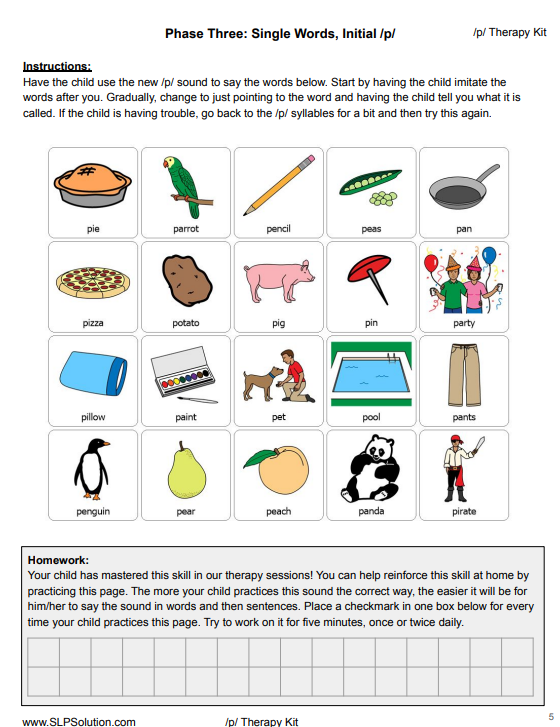
At the core of the new offering is an Articulation Curriculum, which serves as a foundational system for clinicians who want to eliminate the guesswork from their practice. The curriculum is built on the understanding that articulation therapy is most effective when it follows a logical progression of difficulty. It is specifically designed for children and teens who require a more systematic approach to mastering speech sounds.

The program is organized into three distinct levels, catering to different developmental stages. The "Beginner Level" focuses on early-developing sounds, typically associated with children aged two to three years. The "Intermediate Level" shifts the focus to mid-developing sounds for children aged three to four, while the "Advanced Level" tackles the complex later-developing sounds and consonant clusters that are usually mastered by children between the ages of four and seven. While these age brackets are aligned with standard developmental milestones, the curriculum remains flexible, offering a robust framework that can be adapted for older children or teenagers who may still be working on these specific skill sets.

Systematizing Phonology and Motor Speech
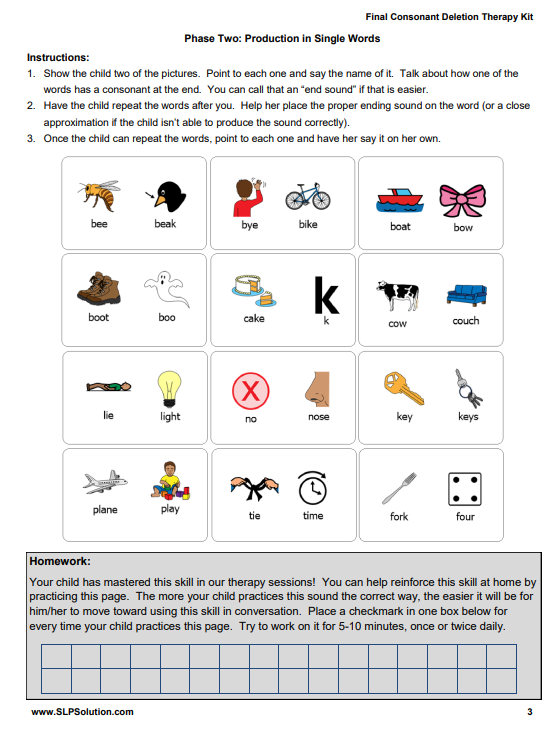
Beyond standard articulation, the new initiative introduces a specialized Phonology Curriculum. This system is designed to teach phonological skills through a cohesive set of materials, training, and ongoing support. Like the articulation program, it is segmented into three tiers of difficulty. The beginner tier addresses early phonological processes typically seen in children aged three to four, while the intermediate and advanced tiers cover more complex patterns that emerge as children develop, generally up to age seven.
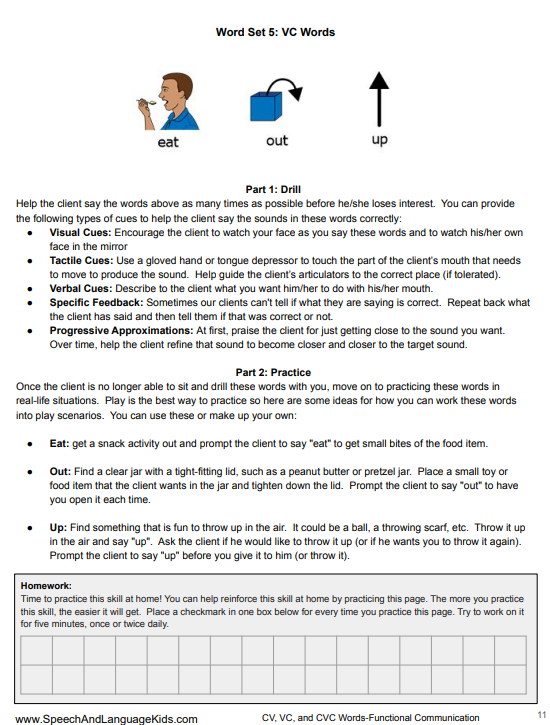
Perhaps one of the most significant additions is the Motor Speech Curriculum. Treating motor speech disorders often proves to be one of the most challenging aspects of pediatric speech therapy, frequently leaving practitioners and parents feeling as though the process is shrouded in mystery. This curriculum offers a guided therapy framework that moves from the fundamental building blocks of speech—such as Consonant-Vowel (CV), Vowel-Consonant (VC), and Consonant-Vowel-Consonant (CVC) word structures—to more advanced goals like coordinating complex connected speech. By providing a clear trajectory, the program aims to shift the focus from the frustration of uncertainty to the achievement of confident, functional communication.
Tackling Mumbling and Communication Confidence
In addition to addressing sound production and motor control, the new suite includes a dedicated Mumbling Curriculum. This program recognizes that clear speech is not just about the mechanics of sound production, but also about the intention behind the delivery. Many children and teens who mumble struggle with projection and clarity, which can hinder their social and academic confidence.
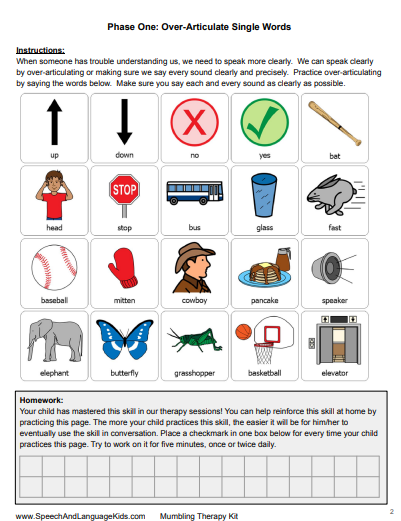
The mumbling curriculum provides a structured, confidence-building pathway. Its beginner level focuses on over-articulation in structured tasks for children aged three to five, progressing to speaking clearly within structured conversations for those aged five to seven. The advanced level provides the tools for self-correction during spontaneous conversation for older children, aged seven to ten and beyond. By teaching children how to monitor their own volume and clarity, the curriculum aims to empower them to communicate effectively in any social or educational environment.
A Collaborative Approach to Clinical Support
A recurring theme within these new materials is the acknowledgement that clinicians and parents do not need to navigate the complexities of speech development in isolation. The developers behind the curriculum emphasize that every child’s communication journey is unique, but that the process of building a treatment plan does not require "reinventing the wheel" for every individual client.
The curriculums are designed to be part of a broader support ecosystem. By offering comprehensive therapy plans that cover every major area of communication, the resource allows professionals to reclaim the time they once spent on manual planning. This shift in focus—from administrative preparation to active, engaged therapy—is intended to be the catalyst for improved student outcomes. The developers posit that when a clinician or educator has a clear, evidence-based map, children are significantly more likely to make faster, more consistent progress.
The launch of these curriculums comes at a time when the demand for high-quality, accessible speech therapy resources is at an all-time high. With the integration of video training and a structured, "no-risk" access model, the platform is attempting to lower the barrier to entry for high-level clinical strategies. By equipping users with ready-to-use plans that span from the initial evaluation to final mastery, the initiative seeks to standardize the quality of care provided to children across diverse demographics and environments.
For those interested in the underlying methodology, the developers have provided additional context through supplemental media, including detailed breakdowns of how these curriculums function in practice. These resources, including podcasts and video demonstrations, provide a "sneak peek" into the classroom or clinic, showing how the transition from a fragmented approach to a holistic, structured plan can fundamentally change a child’s communication trajectory.
As the field of speech-language pathology continues to evolve, the shift toward centralized, evidence-based systems like these suggests a growing emphasis on efficiency and efficacy. For the thousands of children struggling with articulation, phonology, and motor speech, the impact of a well-organized, consistent, and scientifically grounded therapy plan can be transformative, providing the foundation for a lifetime of confident communication.