





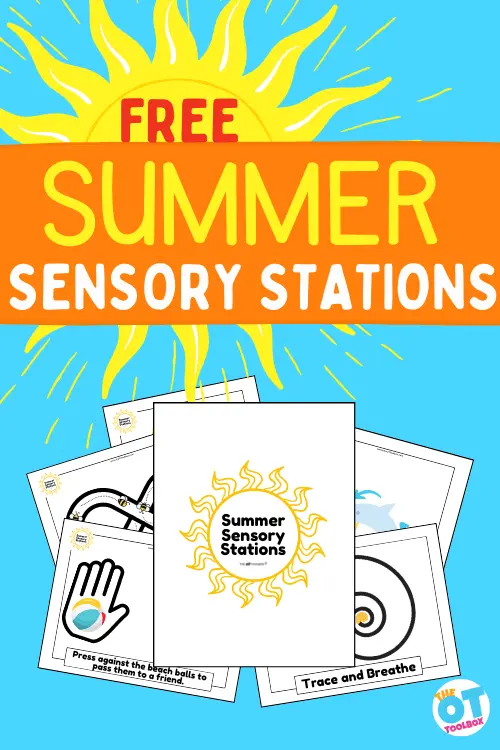
As the summer season gets underway and children face the inevitable disruption of daily routines, educators and pediatric therapy professionals have a new tool at their disposal to help young learners maintain focus, body awareness, and emotional regulation. A newly launched set of printable "Summer Sensory Stations" has been introduced to the public, offering a creative, movement-based approach to self-regulation that can be easily implemented in classrooms, summer camps, therapy clinics, and at home.
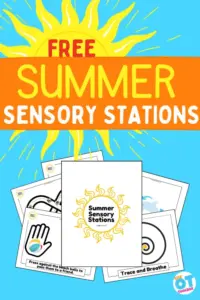
Developed as a seasonal expansion of popular sensory path resources, the new packet provides structured opportunities for physical movement during a time of year when children frequently require additional outlets to stay balanced and engaged. The concept behind the printable resources is straightforward yet effective: the pages can be printed out, laminated or placed inside protective page sleeves, and secured to walls or floors in a hallway or open space. This creates an accessible DIY sensory path that invites children to jump, stomp, crawl, balance, and transition smoothly from one activity to the next while simultaneously building critical developmental skills.
Pediatric occupational therapists and educators have long emphasized the importance of incorporating movement into a child’s day, particularly during extended breaks like summer vacation. Sensory movement actively supports attention, motor planning, emotional regulation, and body awareness. By breaking up the day with purposeful physical exertion, children are given structured opportunities to reset their nervous systems. This makes the transition back to focused learning, group play, or individualized therapy sessions much smoother.
Unlike random physical activity, a well-designed sensory path uses visual cues to guide children through a carefully sequenced series of movements. These paths intentionally integrate multiple sensory systems at once, including the vestibular, proprioceptive, and visual systems. The combination of these inputs helps children organize their bodies and minds, which is especially valuable for executive functioning and motor planning. Because the materials require very little preparation and no specialized, expensive equipment, they offer a flexible solution for professionals and parents alike.
The newly released summer-themed packet is structured around several distinct stops, each designed to target specific developmental and sensory needs. The first component of the kit features a bee infinity loop, a visual designed for mindfulness, deep breathing, crossing the midline, and eye-hand coordination. As children trace the loop with their hands while mimicking the flight path of summer bees, they practice self-regulation and concentration. The activity encourages presence in the moment and self-awareness. To increase the challenge, therapists and educators can have children perform the tracing task while standing on uneven surfaces, such as a gymnastics mat, slant board, or balance pod, or while kneeling or holding a lunge position to further test balance and stability.
Another major feature of the summer packet is the "leap like a dolphin" activity. This station is tailored to provide heavy proprioceptive input and vestibular stimulation, helping to "wake up" the joints and muscles. Proprioception provides crucial data to the brain regarding body position, weight, pressure, and movement through space. By incorporating a dynamic leaping motion with a summer theme, children engage their entire musculoskeletal system in a playful and purposeful manner.
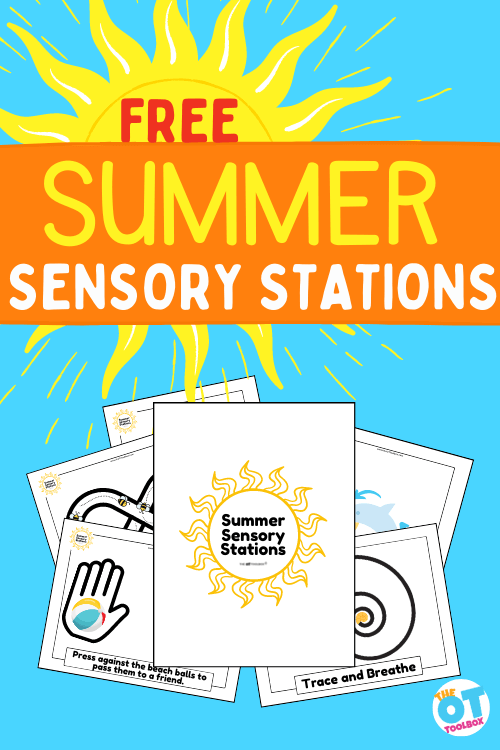
Upper extremity strength and core stability are addressed through the beach ball wall push-up page included in the kit. This exercise delivers whole-body proprioceptive input targeting the shoulder girdle, elbows, wrists, and the arches of the hands. The wall push-up can be easily modified for different ability levels. For instance, placing the visuals lower on the wall encourages a lunge position, while performing the exercise from a seated position challenges seated balance, making it an inclusive motor and sensory opportunity for children using wheelchairs.
The packet also includes a seashell trace-and-breath printable, capitalizing on the proven benefits of spiral path deep breathing exercises. Users follow a circular visual path from a crab to a seashell while inhaling deeply, and then retrace the path to exhale completely. This exercise promotes full lung capacity usage, serving as an effective interoception and proprioception tool for mindfulness and emotional regulation.
Rounding out the set are the summer sand squats, a themed squat exercise designed to encourage balance and coordination. This open-ended visual allows facilitators to incorporate additional challenges, such as asking children to pick up an object from the floor during the movement or keeping their gaze fixed on a specific point to enhance visual attention.
From an occupational therapy perspective, these printable sensory paths serve a much deeper purpose than a simple movement game. Every stop along the route is engineered to strengthen foundational skills necessary for academic success and daily functioning. Regular engagement with sensory paths has been shown to improve visual-motor integration, bilateral coordination, spatial awareness, and postural control. Because movement activates multiple sensory systems simultaneously, these activities provide children with the necessary foundation to organize their bodies before tackling seated tasks, reading, handwriting, or classroom instruction.
The summer sensory stations can function as a quick brain break, a scheduled component of a sensory diet, a calming down exercise, or a transitional tool between activities. Their versatility makes them ideal for group settings, such as sensory summer camps, where multiple children can cycle through the stations while meeting their individual sensory needs.
The resource is currently being distributed digitally to professionals and parents through online educational platforms, with additional seasonal and themed sensory station packets available for those looking to expand their collection of therapeutic tools.