








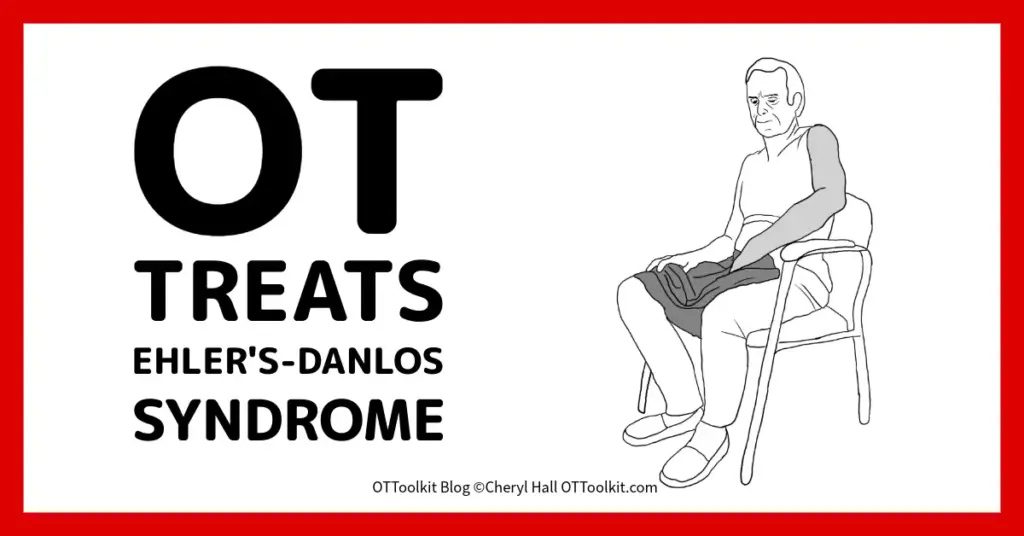
The collaborative nature of the occupational therapy community serves as the primary engine for the evolution of clinical resources. Recently, this spirit of cooperation was highlighted when an occupational therapist practicing in Tennessee reached out with a poignant observation regarding the Occupational Therapy Toolkit. The practitioner noted that a patient living with Ehlers-Danlos Syndrome (EDS) had inquired why their specific condition lacked a dedicated treatment guide within the widely utilized resource. This feedback has prompted a shift in development plans for the toolkit, with plans already underway to include a comprehensive EDS treatment guide in the next edition.
Ehlers-Danlos Syndrome is a rare, complex condition that many clinicians may encounter only sporadically throughout their careers. For many occupational therapists, it represents a multifaceted clinical challenge that requires a deep understanding of connective tissue disorders. Because the condition is characterized by systemic symptoms that can affect almost every facet of daily living, the intervention strategies are as varied as the patients themselves. Recognizing the potential for occupational therapy to significantly ease symptoms, increase functional independence, and substantially improve the quality of life for those affected, the decision to incorporate EDS into the upcoming edition of the Occupational Therapy Toolkit reflects a commitment to addressing the evolving needs of both therapists and the populations they serve.
While the eighth edition of the toolkit was released in 2024 and serves as a robust resource for clinicians, the immediate need to support therapists treating EDS patients has led to this focused exploration of the condition and the corresponding therapeutic interventions. Ehlers-Danlos Syndrome is fundamentally a group of connective tissue disorders that interfere with the body’s ability to synthesize and utilize collagen, the essential protein that provides structural integrity to the skin, blood vessels, joints, and organs. Researchers have currently identified thirteen distinct types of EDS, each driven by its own unique genetic cause. Despite the variations in genetic origins, the clinical presentation often shares common hallmarks.
The most frequently cited symptoms that bring patients into an occupational therapy clinic include joint hypermobility, which leads to chronic joint instability and significant pain. The skin is often fragile, prone to tearing, bruising easily, and possessing an unusual degree of elasticity. Beyond these musculoskeletal indicators, EDS is often a systemic concern, with patients frequently reporting pervasive fatigue, dizziness when transitioning to a standing position, and a variety of complex digestive issues. For the occupational therapist, these symptoms necessitate a holistic approach that moves beyond simple range-of-motion exercises toward a strategy focused on stabilization, conservation, and environmental modification.
The role of occupational therapy in the management of EDS is centered on several core pillars of care. One of the primary interventions is joint protection. Because patients with EDS often suffer from painful hyperextension, therapists play a crucial role in mitigating this by teaching patients how to modify their daily tasks to avoid unnecessary strain. This process often includes instructing patients in safe, home-based techniques for managing joint pain and, when necessary, the design and custom fitting of specialized splints that provide the support the body’s natural tissues cannot maintain on their own.
Energy conservation is another critical domain of treatment. The chronic fatigue associated with EDS can be debilitating, often leaving patients struggling to complete basic daily activities. Occupational therapists work closely with these individuals to implement pacing and planning strategies that help manage their energy reserves throughout the day. By analyzing the patient’s daily schedule and identifying energy-intensive tasks, therapists can introduce modifications that allow for a more sustainable level of activity, ultimately preventing the "boom and bust" cycle that frequently exacerbates EDS symptoms.
The use of adaptive equipment also plays a pivotal role in the therapeutic plan. Beyond the specific goals of joint protection and energy management, therapists often recommend assistive devices that enhance safety and independence. This can include anything from tools that aid in community mobility to specialized equipment designed to prevent falls, which are a significant risk for patients with joint instability. Furthermore, ergonomics form a vital part of the therapeutic assessment. By evaluating the patient’s work, school, or home environment, therapists can recommend specific ergonomic setups, such as chairs, desks, or software solutions, that limit repetitive movements and reduce the associated strain on vulnerable joints.
Proprioception, or the body’s internal sense of position, movement, and location in space, is frequently compromised in patients with EDS due to the laxity of the joints. This deficit can make patients feel disconnected from their own bodies, leading to further injury. Occupational therapists address this through targeted, graded exercises designed to enhance proprioceptive awareness, which helps protect joint health by improving the patient’s motor control during movement.
It is also important for clinicians to recognize that EDS rarely presents in isolation. Many patients must navigate a constellation of co-occurring symptoms, including severe sleep disturbances, mental health challenges, chronic migraines, gastrointestinal issues, and various autoimmune conditions. The occupational therapy perspective is uniquely suited to address these overlaps by providing interventions that manage the cumulative impact of these conditions on the patient’s ability to participate in their chosen occupations.
Although the current Occupational Therapy Toolkit is still expanding its formal treatment guides, the existing structure of the resource already provides a wealth of materials that are highly applicable to the care of EDS patients. The toolkit contains extensive resources in areas such as ADL (Activities of Daily Living) and mobility handouts, which provide foundational guidance for daily functional tasks. Additionally, the toolkit’s broad collection of educational handouts and therapeutic exercise protocols can be adapted to support the specific needs of individuals living with collagen disorders. Clinicians are encouraged to leverage these existing resources while waiting for the specialized EDS guide to be formally integrated.
For professionals seeking to deepen their understanding of this complex condition, the Ehlers-Danlos Society stands as a primary resource. Their platform offers extensive information for healthcare professionals, including continuing education modules, current research findings, and a directory of medical experts who specialize in the diagnosis and management of EDS. Engaging with such resources ensures that therapists remain informed about the latest clinical insights, allowing them to provide the most evidence-based care possible.
The proactive nature of the occupational therapy community remains the most effective tool for advancing clinical practice. The feedback from the therapist in Tennessee serves as a reminder that the needs of patients are the most important drivers of professional development. By listening to the specific challenges faced by clinicians in the field, the Occupational Therapy Toolkit continues to refine its offerings to ensure that no patient’s condition is left without a path to better care. Those who have ideas, suggestions, or feedback regarding the resources provided in the toolkit are encouraged to reach out directly to the editorial team, as these contributions are essential to the ongoing effort to support the diverse and ever-changing needs of the occupational therapy community.