









In recent years, the term "profound autism" has emerged as a significant, albeit contentious, descriptor within the neurodiversity community. Designed to bridge the gap in understanding for individuals at the most severe end of the autism spectrum, the label is currently at the center of a concerted effort to move from a loose, subjective concept to a formal, clinically recognized definition. As researchers, clinicians, and families struggle with inconsistent diagnostic language, a new proposal published this summer in the journal Molecular Autism aims to provide the clarity necessary for more effective research and policy intervention.
The journey toward a standardized definition began in earnest with a 2021 proposal from an international commission of autism researchers, clinicians, self-advocates, and parents, which was published in The Lancet. The commission sought to address a growing concern: that the broad, umbrella-like nature of the current autism diagnosis often failed to capture the distinct, high-support needs of individuals who face severe cognitive and functional challenges. By introducing "profound autism," the commission hoped to ensure these individuals were not lost in broader studies of the spectrum.
However, in the years following that initial push, the term has been applied with varying criteria across different studies and institutions. This lack of uniformity has created a fragmented body of data, making it difficult for policymakers and healthcare providers to accurately assess the needs of the population, allocate resources, or measure the success of therapeutic interventions. The new proposal published in Molecular Autism is a direct response to this methodological confusion, seeking to establish a rigorous, consensus-based definition that can be applied universally.

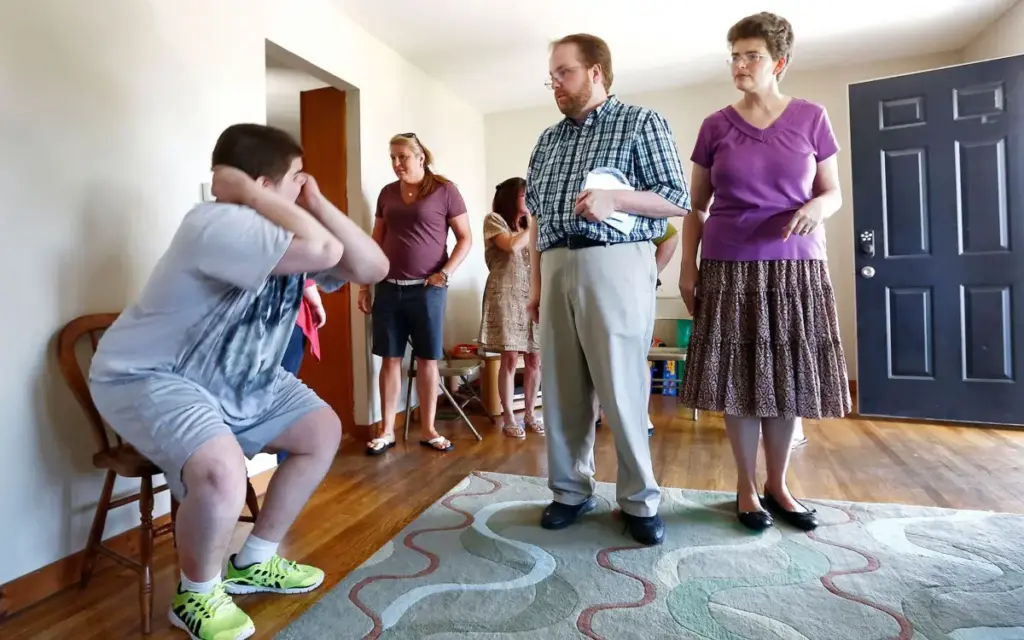
Under the criteria set forth in the new proposal, an individual would qualify for the "profound autism" designation if they are at least 8 years old, carry an autism diagnosis, and possess adaptive functioning skills that are "well below age level." Crucially, the definition mandates that the individual requires substantial, ongoing adult supervision to ensure their health, safety, and general wellbeing. Furthermore, the criteria specify that the individual must demonstrate severe cognitive impairment—quantified as an IQ score below 50—or lack functional verbal communication beyond the use of single words or fixed, repetitive phrases.
The proposal arrived after an extensive consultative process involving more than 70 stakeholders, including researchers, caregivers, clinicians, and individuals on the autism spectrum themselves. The consensus-building effort was significant, with 76% of participants voting in favor of the proposed criteria. This level of support suggests a broad desire within the field to move past the ambiguity that has characterized the label since its inception.
Judith Ursitti, cofounder and president of the Profound Autism Alliance, has been a leading voice in the push for these standardized criteria. According to Ursitti, the drive for a clear definition was accelerated by the 2024 International Society of Autism Research annual meeting, where the focus on "profound autism" and the necessity of high-support services underscored how differently researchers were defining the population. Together with the Autism Science Foundation, the Profound Autism Alliance funded the study to establish a standard that could be adopted by the wider scientific community.
"These inconsistencies would not build the body of research needed to provide much-needed progress for the population initially identified by The Lancet," Ursitti said. She emphasized that the primary goal is not merely categorization, but the improvement of lives. "Clarity will help identify best practices and provide individualized supports and services across the spectrum," she added.
The stakes for this definition are high, particularly regarding federal policy. Ursitti’s organization is currently working to disseminate these criteria to the broader research community while simultaneously lobbying lawmakers to adopt the definition for federally funded research projects. If the federal government adopts these standards, it could fundamentally shift how research grants are allocated, how clinical outcomes are measured, and how state-level disability services are structured.
The urgency of this initiative is supported by recent data. A 2023 study by the Centers for Disease Control and Prevention (CDC) indicated that approximately 26.7% of children diagnosed on the autism spectrum would meet the criteria for profound autism. This statistic highlights that a significant portion of the autism population requires specialized, intensive support, yet the current diagnostic system often treats the spectrum as a monolith.
The influence of these discussions has reached the highest levels of government. The Interagency Autism Coordinating Committee (IACC)—a panel of experts tasked with advising the U.S. Secretary of Health and Human Services and coordinating federal autism activities—recently recommended that the government adopt a "standardized functional research and policy designation" for profound autism. The committee’s recommendation specifically advocates for the use of this term in research, federal policy, reporting, training, technical assistance, and long-term program planning.
Despite the momentum behind the "profound autism" label, the movement is not without its detractors. The debate over labeling in the autism community is deeply rooted in broader questions of autonomy, identity, and the history of how disability has been treated by medical systems.
The Autistic Self Advocacy Network (ASAN) has been a prominent voice in opposition to the term. In a detailed toolkit released to the public, ASAN argues that the "profound autism" label is inherently harmful to the autistic community. The organization contends that creating a hierarchy of autism severity makes it easier for institutions and governments to strip away rights from those labeled as "profoundly" disabled, potentially limiting their agency and self-determination. Furthermore, critics of the label argue that it encourages a culture of pity rather than one of empowerment and accessibility, and that it may ultimately make it harder for individuals to get their specific needs met by pigeonholing them into a label that focuses on deficits rather than support requirements.
These concerns highlight a fundamental tension within the community: the desire for specialized, intensive support for those with the highest needs versus the fear that such labels will be weaponized to marginalize or institutionalize those same individuals. Proponents of the label, however, argue that failing to acknowledge the distinction in support needs is a form of neglect, leaving families and individuals without the necessary resources to manage safety risks, communication barriers, and cognitive challenges.
As the research community moves forward, the adoption of the Molecular Autism proposal remains a critical point of contention and potential progress. The ongoing discourse reflects the complexities of modern disability advocacy, where the goal of providing high-quality, targeted care must be balanced against the imperative to protect the civil rights and dignity of all individuals on the spectrum.
For researchers like those who authored the recent proposal, the path forward involves refining the tools used to assess adaptive functioning and cognitive impairment, ensuring that the diagnosis is as objective as possible. For organizations like the Profound Autism Alliance, the focus remains on institutionalizing these definitions so that they can be utilized in clinical settings, schools, and government agencies.
Whether the consensus definition will be widely adopted by the federal government and state agencies remains to be seen. The IACC’s endorsement is a significant step, but the transition from a clinical definition to a policy designation involves complex bureaucratic and ethical hurdles. In the meantime, the discussion surrounding "profound autism" continues to serve as a catalyst for a much larger national conversation about what it means to support the diverse needs of the autistic community in the 21st century. As stakeholders on both sides of the issue continue to advocate for their respective visions, the focus remains on the ultimate objective: creating a system of support that is responsive, equitable, and capable of addressing the realities of the entire spectrum.