








The Director-General of the World Health Organization, Dr Tedros Adhanom Ghebreyesus, today concluded the first day of his high-profile, two-day State visit to the Hashemite Kingdom of Jordan, a diplomatic and humanitarian mission underscoring the deep and enduring partnership between the global health body and the Jordanian government. The visit serves to spotlight Jordan’s exemplary role across several critical fronts, including the advancement of universal health coverage (UHC), the integration of mental health services into routine care, and pioneering humanitarian health action in a volatile region.
A central and defining moment of the visit was today’s high-level meeting with His Majesty King Abdullah II in the capital. The royal audience underscored the profound significance of the State visit and recognized Jordan’s steadfast leadership in elevating health as both a paramount national objective and a vital global priority. Discussions between Dr Tedros and the King focused heavily on strengthening resilient health systems, expanding equitable access to quality care, and sustaining international and regional support for emergency response operations. Particular emphasis was placed on the ongoing needs of the Palestinian people, patients evacuated from Gaza to Jordan for specialized medical treatment, and the hundreds of thousands of refugees hosted generously within the country’s borders.
Expressing his profound gratitude, Dr Tedros addressed the monarch directly, stating that he wished to express his deepest appreciation to His Majesty King Abdullah II for his unwavering personal commitment to advancing universal health coverage. Dr Tedros also extended his sincere thanks to the King and the resilient people of Jordan for their remarkable solidarity, compassion, and generosity in providing essential health services to more than three million refugees, primarily from neighboring Gaza and Syria, who have found safety and shelter living within the country.
Elaborating on Jordan’s broader contributions, Dr Tedros added that the international community is deeply grateful for Jordan’s broader humanitarian leadership, specifically highlighting His Majesty’s pioneering Medical Corridor initiative. This vital program successfully delivers critical, life-saving medical care to critically ill and injured children evacuated from Gaza. Through these ongoing efforts, Jordan continues to show the world what it truly means to put health, dignity, and shared humanity first, even amid severe regional pressures and economic challenges.
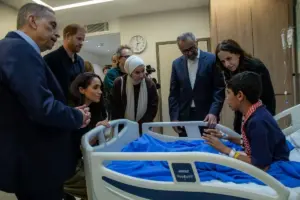
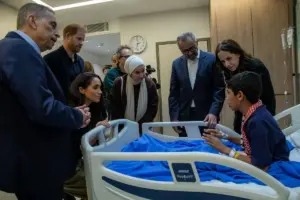
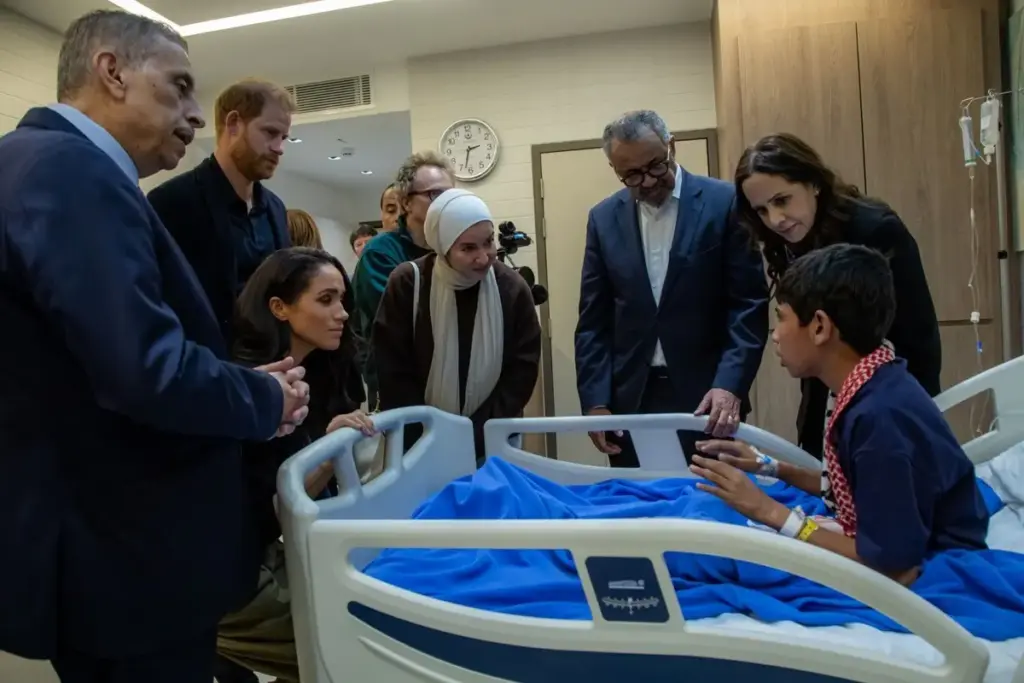
In line with these humanitarian commitments, Dr Tedros spent a portion of the day visiting a dedicated, WHO-supported hospital facility that provides specialized, high-level care to children evacuated directly from the conflict in Gaza. During the hospital tour, he walked the wards to meet young, vulnerable patients and their families, as well as the dedicated frontline health workers and clinical staff who are working tirelessly around the clock to deliver life-saving treatment for severe trauma injuries, pediatric cancer, and other complex medical conditions.
This poignant visit powerfully highlighted the indispensability of the medical evacuation corridor operating through Jordan. It simultaneously reinforced the urgent, ongoing need for sustained international financial and logistical support to ensure that vulnerable children and other individuals in dire need can safely access essential, uninterrupted medical care without facing insurmountable barriers.
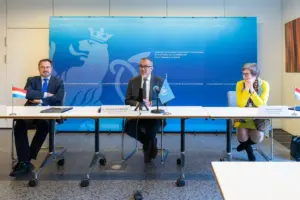
Continuing his packed itinerary, the WHO Director-General also convened a high-level strategic meeting with key health partners, international donor countries, specialized United Nations agencies, and leading philanthropic organizations. The core objective of this roundtable was to address and coordinate financing priorities aimed at bolstering health system strengthening within Jordan, while simultaneously securing backing for ongoing humanitarian health action. Key topics on the agenda included scaling up community-based mental health services and adequately supporting developing nations that host large, protracted refugee populations. During the session, Dr Tedros warmly welcomed the strong, active collaboration and the continued, long-term commitment of international partners to invest in health infrastructure and capacity both in Jordan and across the wider Eastern Mediterranean region.
Earlier in the day, the Director-General held intensive bilateral discussions with Jordan’s Minister of Health. These talks zeroed in on strategic measures to further fortify Jordan’s national health system and accelerate progress toward total universal health coverage. Notably, Jordan has demonstrated remarkable global leadership by championing a robust primary health care approach to achieve UHC, which notably includes the successful integration of mental health care into general practice. This integration ensures that everyday citizens can seamlessly access mental health services as a standard and routine component of their primary healthcare visits. The World Health Organization continues to provide vital technical and operational support to this pioneering work through the Director-General’s Special Initiative for Mental Health.
Adding a notable international dimension to the diplomatic mission, the Director-General was accompanied throughout several key engagements by the Duke and Duchess of Sussex, Prince Harry and Meghan. The royal couple participated in their official capacities as the founders of Archewell Philanthropies and as long-standing, dedicated supporters of the World Health Organization’s global mission. Over the years, Archewell has extended valuable support to numerous critical WHO initiatives, ranging from advocating for equitable global access to COVID-19 vaccines to supporting emergency medical evacuation programs and expanding mental health initiatives in crisis zones. During the visit, Prince Harry actively participated as a committed ally of the WHO’s ongoing mental health advocacy, underscoring the critical importance of investing heavily in mental health support across diverse communities and emergency settings, with a deliberate and compassionate focus on men, young people, and children who are disproportionately affected by trauma.
Reflecting on this collaborative partnership, Dr Tedros expressed his gratitude, stating that he wanted to thank all of their valued partners, including Prince Harry, Duke of Sussex, and Meghan, Duchess of Sussex. He noted that their unwavering personal commitment to advancing mental health and driving humanitarian action has successfully helped bring vital visibility, much-needed resources, and renewed hope to some of the world’s most marginalized and vulnerable communities. He emphasized that their ongoing collaboration is instrumental in helping to advance WHO’s overarching mission to ensure health for all people, regardless of their circumstances.
Echoing these sentiments, Prince Harry shared his perspective on the ground in Amman, noting that it is a profound honor to join the Director-General of the World Health Organization in Jordan—a country that is undeniably leading by example through its daily display of compassion, resilience, and institutional innovation. He remarked that through their ongoing work with Archewell Philanthropies, both he and his wife have witnessed firsthand the profound, tangible impact of WHO’s tireless efforts to support mental health and deliver life-saving clinical care in acute emergencies. Prince Harry reaffirmed that they remain deeply and personally committed to advancing public awareness, actively reducing societal stigma, and expanding equitable access to mental health support for all individuals whose lives have been upended by conflict, displacement, and crisis. He stressed that mental health is fundamentally foundational to human recovery, personal dignity, and long-term peace, adding that they are proud to stand shoulder-to-shoulder with the WHO and international partners around the world to make mental health an undeniable global priority.
Looking ahead to the remainder of the itinerary, the second day of Dr Tedros’s State visit will feature several high-impact field visits. He is scheduled to tour Jordan’s National Center for Rehabilitation of Addicts, a specialized facility supported by the WHO that delivers comprehensive, integrated medical, psychological, and social support services to those in recovery. In addition, he will meet directly with influential community leaders and prominent women’s groups, including representatives from the Jordanian Hashemite Fund for Human Development, to discuss grassroots health empowerment.
The day will also include a targeted visit to the renowned King Hussein Cancer Center, where discussions will center on cutting-edge advances in modern oncology care and the enhancement of regional medical collaboration. The high-level State visit will ultimately conclude with a series of final engagements with key stakeholders and institutional partners who support vital humanitarian operations across the Middle East, further cementing and reinforcing Jordan’s indispensable, strategic role as a central humanitarian hub for medical evacuations, rapid emergency response, and enduring health system resilience throughout the region.