







Why do some skills seem to click almost instantly, feeling intuitive from the very first attempt, while others remain frustratingly out of reach despite hours of repetitive, disciplined practice? For decades, neuroscientists and educators alike have attributed this discrepancy to a complex mix of innate talent, personal motivation, and the quality of instruction. However, a groundbreaking study suggests that the secret to mastering new abilities may lie in a physiological process far more fundamental than effort or aptitude. The key may involve whether the brain is in the optimal biological state to convert fleeting practice into permanent, durable memory.
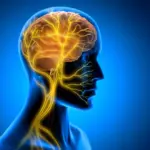
New research from Tohoku University, published in iScience on August 25, 2026, reveals that the body’s internal organs play an active, critical role in shaping how the brain retains new information. By focusing on the vagus nerve—the sprawling "information highway" that links the brain to the rest of the body—researchers have demonstrated that stimulating this pathway after a training session can significantly strengthen long-term motor learning. These findings represent a major shift in our understanding of neuroplasticity, suggesting that communication from the body to the brain is not merely a background process, but a decisive factor in whether a new skill persists.
The Vagus Nerve and Learning
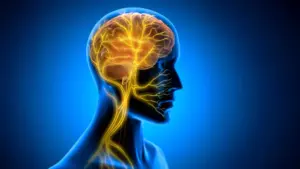
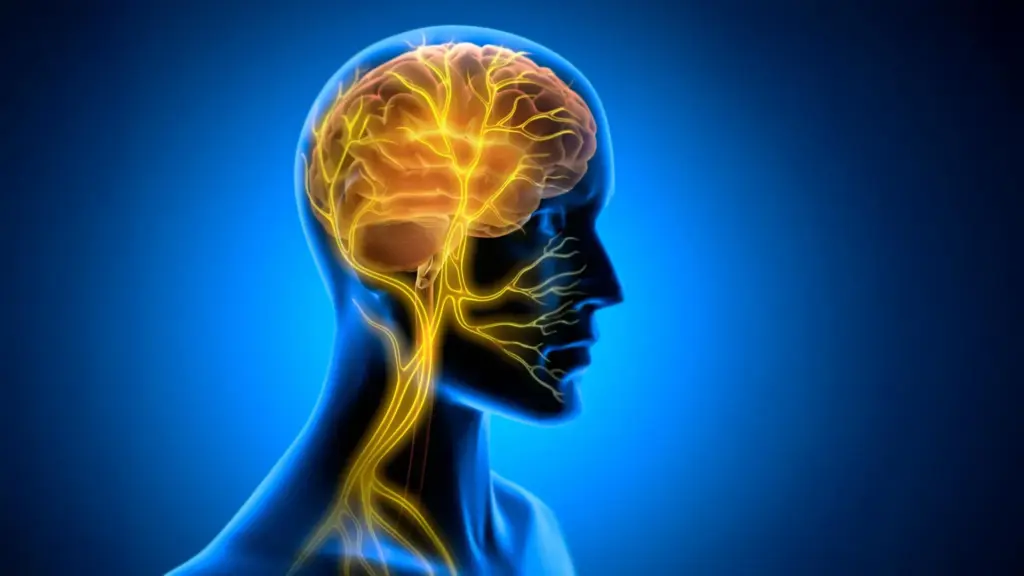
The vagus nerve is one of the most vital components of the autonomic nervous system. It acts as a bidirectional conduit, carrying a constant stream of sensory data from the heart, lungs, and digestive system to the brain, while simultaneously relaying regulatory instructions from the brain back to those organs. Because of its expansive reach and influence over systemic physiology, the vagus nerve has long been a target for medical intervention. Vagus nerve stimulation (VNS) is already a clinically approved therapy used to treat various conditions, including epilepsy and treatment-resistant depression.
Historically, scientists have viewed VNS primarily through the lens of neuromodulation, focusing on how electrical impulses can trigger the release of neurotransmitters like norepinephrine or acetylcholine to alter brain activity. However, the team at Tohoku University, which specializes in "super network brain physiology," suspected that there was more to the story. They hypothesized that VNS might be influencing the brain’s architecture through a different, perhaps more mechanical, pathway: the rhythmic modulation of blood vessels within the brain itself.
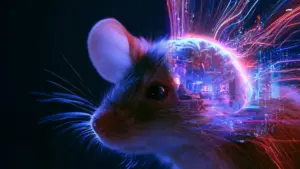
To put this hypothesis to the test, the researchers developed a sophisticated, miniaturized cuff electrode, which they attached to the left cervical vagus nerve of mice. With this technology in place, they monitored the rodents as they engaged in a specific type of motor learning known as the horizontal optokinetic response (HOKR). The HOKR is a cerebellum-dependent task that requires mice to track moving visual stripes, effectively training their eyes to move in sync with their environment. It is a biological equivalent to the automatic, involuntary eye movements a person makes when standing on a train platform and watching the cars blur past. By observing how the mice improved at this task, the researchers were able to quantify the impact of vagus nerve intervention with high precision.
The Biggest Effect Appeared After Practice
One of the most significant takeaways from the study is the timing of the intervention. Rather than stimulating the nerve during the training sessions themselves—which would have focused on the acquisition of the skill—the researchers applied VNS only after the practice was complete. Intriguingly, the mice did not demonstrate any immediate improvement in performance while the stimulation was active. Instead, the benefits were delayed, manifesting in the days that followed.
This temporal separation is crucial. It suggests that the vagus nerve stimulation is not merely assisting in the performance of the task, but is instead enhancing the process of memory consolidation. Consolidation is the critical window during which the brain stabilizes a memory trace after the initial acquisition of information, turning a fragile, temporary experience into a more durable, long-term neural pathway.
"The key point is that VNS was delivered only after training," explains Professor Ko Matsui of Tohoku University. "Our findings suggest that VNS may open a hidden window of opportunity for enhanced learning by making the brain environment more receptive to long-lasting change." By intervening during this post-training consolidation period, the stimulation essentially "primes" the brain to lock in the information it has just processed, creating a more fertile environment for the physical changes in the brain that underpin mastery.
Rhythmic Changes in Brain Blood Volume
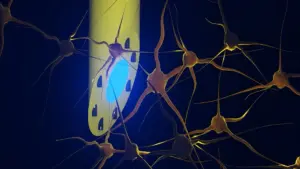
To better understand the biological mechanisms behind this enhancement, the research team looked for physiological changes occurring within the brain’s interior. They focused their measurements on the cerebellar flocculus, a region of the brain that is centrally involved in HOKR learning. Using an advanced imaging technique known as fiber photometry, the team observed a unique response to VNS: a two-phase vascular reaction.
When a single round of stimulation was administered, the blood volume in the local area briefly decreased before rebounding and rising after a short delay. Even more compellingly, when the researchers repeated the VNS, these reactions created rhythmic oscillations in blood volume. These vascular rhythms were not random; they were directly correlated with the success of the learning. Mice that exhibited larger, more pronounced blood volume oscillations during the post-training window showed significantly better performance on the HOKR task by the fifth day.
This finding suggests that the brain’s vascular environment is not a static supply system, but a dynamic, active participant in the learning process. The rhythmicity of these blood flow changes may be helping to clear metabolic byproducts or deliver nutrients at exactly the right time to support the energy-intensive process of synaptic restructuring.
"Our brains may be more strongly influenced by the body than we imagine," says lead author Junyu Chen. "By tuning the brain’s metabolic environment, including rhythmic vascular movements, we may eventually unlock capacities that would otherwise remain latent."
Exploring the Brain-Body Connection
The implications of this study reach far beyond the laboratory. By identifying the vagus nerve as a lever that can influence the brain’s vascular rhythm and subsequent memory consolidation, the researchers have opened a new frontier in the study of neuroplasticity. The discovery suggests that learning is a whole-body phenomenon, where the peripheral nervous system provides the necessary conditions for the brain to adapt and grow.
As the scientific community continues to explore this two-way communication pathway, the focus will likely shift toward refining these stimulation protocols. Researchers aim to determine if there is an "optimal rhythm" for these vascular oscillations and how different types of learning might require specific patterns of body-to-brain communication. Understanding the precise mechanics of this interaction could one day lead to more effective methods for helping individuals recover from motor impairments, accelerate the acquisition of complex skills, or even address memory-related cognitive declines.
For now, the study provides a compelling reminder that the brain does not exist in isolation. It is a deeply integrated part of a larger biological system, constantly receiving signals from the body that determine its ability to change, learn, and excel. As scientists further map the pathways between our internal organs and our capacity for learning, they move closer to answering the fundamental question of how we turn experience into expertise—and how we might eventually harness that process to expand the boundaries of human potential.