








The Director-General of the World Health Organization (WHO), Dr. Tedros Adhanom Ghebreyesus, has concluded the first day of a pivotal two-day State visit to the Hashemite Kingdom of Jordan. The visit serves as a high-level endorsement of the strategic partnership between the global health body and the Jordanian government, focusing on the critical pillars of universal health coverage (UHC), mental health integration, and the urgent necessity of humanitarian health action in a volatile region.
At the heart of the visit was a formal audience with His Majesty King Abdullah II. This meeting underscored the profound significance of Jordan’s role as a regional leader in prioritizing health as both a national necessity and a cornerstone of global stability. During their discussions, the two leaders addressed the complex challenges of reinforcing national health systems, the imperative of expanding equitable access to care, and the sustained requirement for international support in emergency response operations. Specifically, the dialogue centered on the pressing needs of the Palestinian people, the ongoing medical evacuation of patients from Gaza to Jordan for life-saving treatment, and the immense responsibility Jordan carries in hosting millions of refugees from surrounding conflict zones.
Dr. Tedros expressed his deep appreciation for the King’s leadership, noting, "I wish to express my appreciation to His Majesty King Abdullah II for his commitment to advancing universal health coverage. I also extend my thanks to His Majesty and the people of Jordan for their solidarity and generosity in providing health services to more than three million refugees, primarily from Gaza and Syria, who are living in the country."
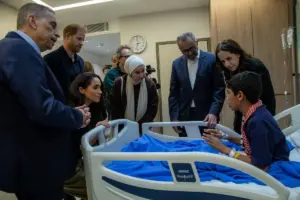
The Director-General further highlighted the impact of the "Medical Corridor" initiative, a signature humanitarian effort spearheaded by King Abdullah II. This initiative has been instrumental in facilitating the transfer of ill and injured children from Gaza, who otherwise would have no access to the specialized care required for their survival. "Jordan continues to show the world what it truly means to put health and humanity first," Dr. Tedros added, emphasizing that the kingdom’s actions serve as a global benchmark for humanitarian diplomacy.
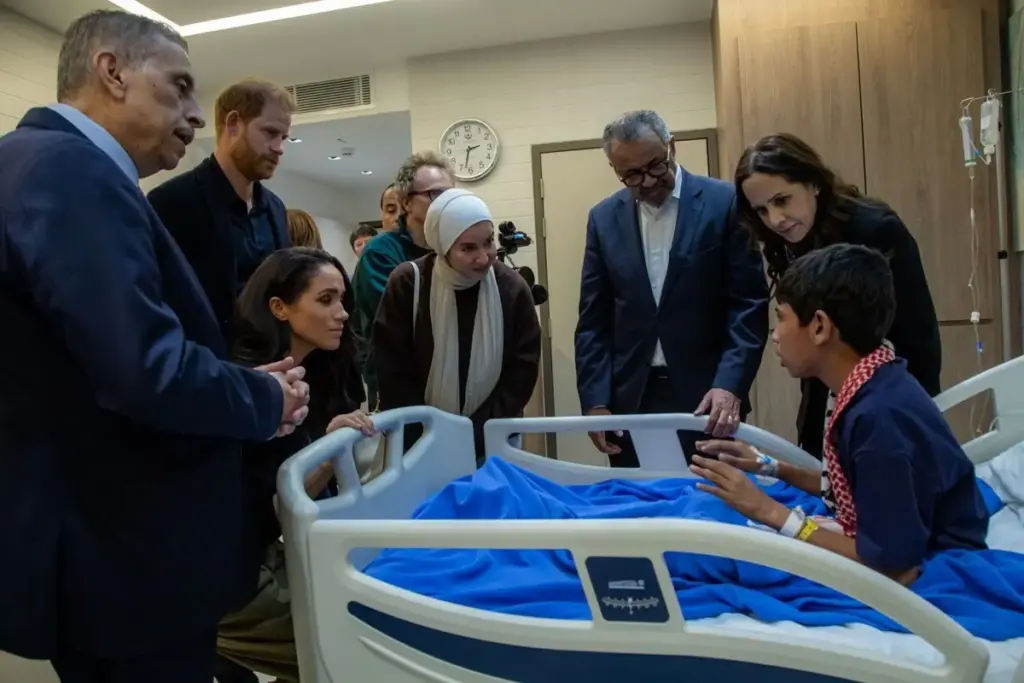
As part of his itinerary, Dr. Tedros visited a WHO-supported hospital currently treating children evacuated from Gaza. The visit provided a sobering, firsthand look at the human cost of the regional conflict. During his time at the facility, the Director-General met with young patients, their families, and the frontline health workers who are laboring under immense pressure to deliver life-saving treatments for complex injuries, cancer, and other critical health conditions. The hospital visit underscored the absolute necessity of maintaining the medical evacuation corridor through Jordan. Dr. Tedros highlighted that without sustained international financial and logistical support, the ability to provide these essential life-saving services to the most vulnerable—particularly children—would be severely compromised.
In a move to catalyze further support, the Director-General convened a high-level summit involving international health partners, donor nations, various United Nations agencies, and leading philanthropic organizations. The meeting focused on the financial realities of strengthening Jordan’s health infrastructure while simultaneously managing the burden of ongoing humanitarian health action. Key agenda items included the scaling up of mental health services and the development of sustainable models to support host countries that are currently accommodating large refugee populations. Dr. Tedros welcomed the strong collaborative spirit displayed by these partners, reinforcing the idea that investing in Jordan’s health system is an investment in regional stability.
The Director-General also held bilateral discussions with the Jordanian Minister of Health to delve deeper into the mechanics of strengthening the national health system and the progress made toward achieving Universal Health Coverage. Jordan has emerged as a global model for its primary health care approach, particularly in how it has integrated mental health services into routine care. This systemic integration ensures that patients can access psychological support alongside physical medical care, reducing the stigma often associated with mental health. The WHO has been a consistent partner in this endeavor, primarily through the Director-General’s Special Initiative for Mental Health, which provides technical guidance and support to national programs.
A notable aspect of the visit was the presence of the Duke and Duchess of Sussex, Prince Harry and Meghan. Attending in their capacity as the founders of Archewell Philanthropies, the couple has been long-standing supporters of the WHO’s global mission. Archewell has previously collaborated with the WHO on initiatives ranging from the equitable distribution of COVID-19 vaccines to the support of medical evacuation and mental health programs.
During the visit, Prince Harry emphasized the urgency of mental health support, particularly within emergency and conflict settings. His advocacy focused on the need to better support men, young people, and children who are often the most affected by the trauma of war and displacement. "It is an honour to join the Director-General of the World Health Organization in Jordan, a country that is leading by example in compassion, resilience and innovation," Prince Harry stated. "Through our work with Archewell Philanthropies, my wife and I have seen first-hand the impact of WHO’s efforts to support mental health and deliver life-saving care in emergencies."
The Prince reiterated the importance of these initiatives in the context of long-term recovery. "We remain deeply committed to advancing awareness, reducing stigma and expanding access to mental health support for all those affected by conflict and crisis. Mental health is fundamental to recovery, dignity and long-term peace, and we are proud to stand with WHO and partners around the world to make it a global priority," he added.
Dr. Tedros praised the couple for their dedication to the cause, noting that their involvement brings vital visibility and resources to communities that might otherwise be overlooked. "I want to thank our partners, including Prince Harry, Duke of Sussex and Meghan, Duchess of Sussex, whose commitment to mental health and humanitarian action has helped bring visibility, resources and hope to some of the world’s most vulnerable communities. Their collaboration is helping to advance WHO’s mission to ensure health for all," the Director-General remarked.
Looking ahead to the second day of the visit, Dr. Tedros is scheduled to tour the National Center for Rehabilitation of Addicts. This center, which receives support from the WHO, is recognized for its integrated approach to treatment, offering a combination of medical, psychological, and social services. The Director-General’s schedule also includes meetings with influential community leaders and prominent women’s groups, including representatives from the Jordanian Hashemite Fund for Human Development.
Furthermore, a visit to the King Hussein Cancer Center will provide a platform to discuss the latest advancements in cancer care and the potential for increased regional collaboration in oncology, an area where Jordan has demonstrated significant progress. The State visit will conclude with a series of engagements aimed at cementing the support of international partners for Jordan’s humanitarian operations. These final meetings are intended to reinforce Jordan’s status as a critical regional hub for medical evacuation, emergency response, and the broader goal of building long-term health system resilience in the face of ongoing regional instability. As the visit draws to a close, the focus remains on the necessity of sustained, coordinated, and well-funded global action to address the health challenges that transcend borders.