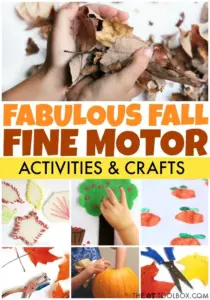








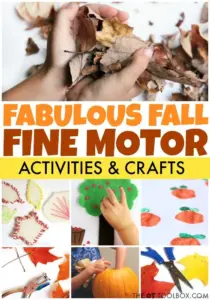
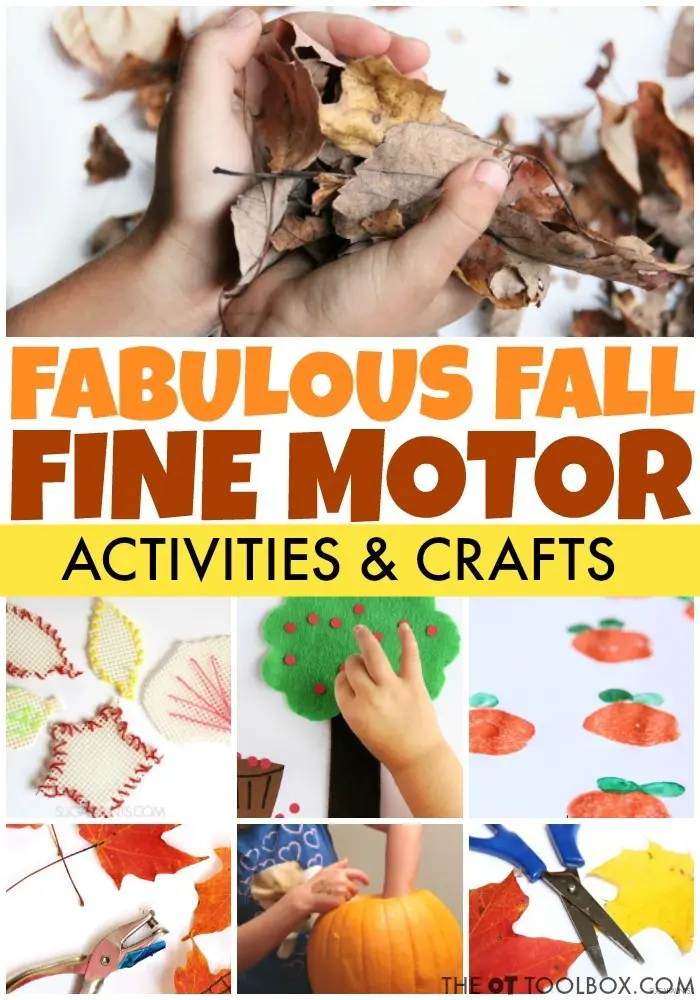
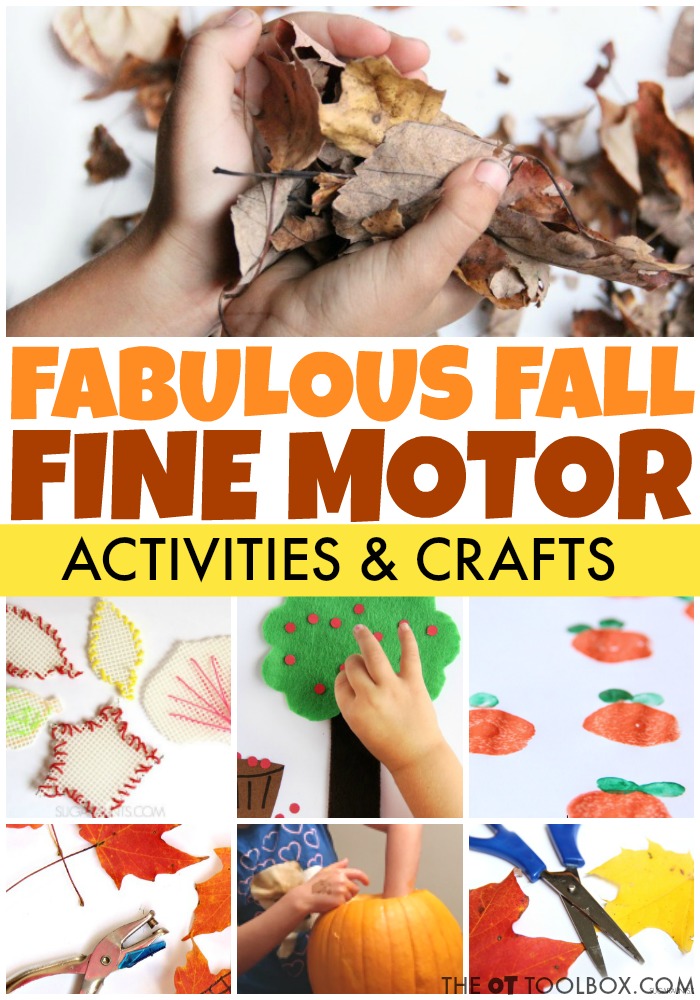
As the crisp autumn air settles in and the landscape transforms with vibrant shades of red, orange, and gold, occupational therapists, educators, and parents are increasingly turning to seasonal themes to support children’s developmental milestones. Rather than selecting seasonal activities purely for festive entertainment, professionals in pediatric therapy are utilizing apples, leaves, pumpkins, acorns, and farm motifs as targeted interventions to address specific fine motor needs in toddlers, preschoolers, and school-aged children.
The transition into fall provides a natural abundance of sensory-rich materials that can be easily integrated into therapeutic toolboxes and everyday play. Experts emphasize that these seasonal engagements offer an effective medium for targeting foundational capacities such as hand strength, finger dexterity, scissor proficiency, visual-motor integration, and handwriting mechanics. Because many autumn-themed tasks naturally overlap multiple developmental domains, educators and therapists are able to adapt activities dynamically to suit individual children’s evolving skill levels.
To support families and clinicians navigating these seasonal strategies, developmental resources like The OT Toolbox have compiled comprehensive guides and sensory booklets designed to encourage both fine and gross motor movement. These initiatives highlight how seasonal tactile experiences—ranging from crunchy leaves to squishy play dough—can foster critical physical development while keeping children actively engaged.
Fall Hand Strength Activities
Building foundational hand strength is a primary objective in pediatric occupational therapy, as weak intrinsic hand muscles can significantly impact a child’s ability to manipulate everyday tools, manage clothing fasteners, and write effectively. Autumn-themed materials offer a natural form of resistance that encourages children to exert controlled force without feeling like they are engaging in repetitive therapeutic exercises.
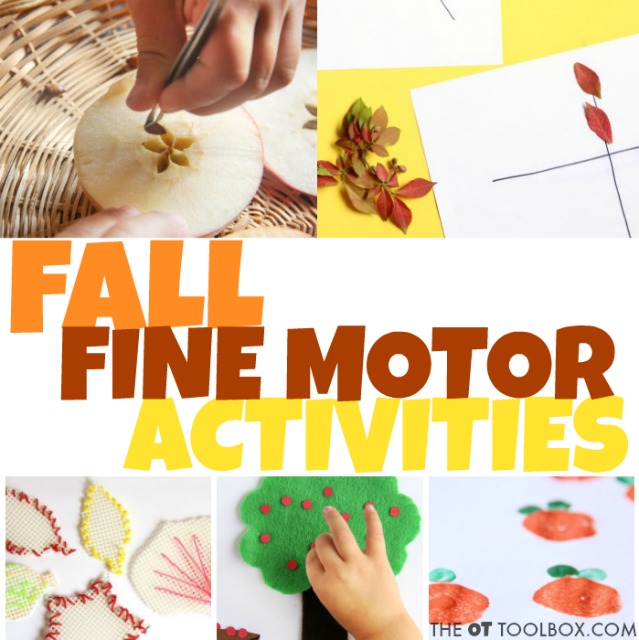
Among the widely utilized interventions is the apple geoboard. By stretching rubber bands across pegs to recreate specific apple designs, children encounter physical resistance that fortifies their fingers and hands while simultaneously demanding precision and controlled release. This activity concurrently engages bilateral coordination, visual-motor skills, and motor planning. Clinicians frequently adapt the task by introducing thicker or more resistant bands for heightened difficulty, or by simplifying visual layouts for children who find the spatial demands challenging.
Similarly, play dough remains a staple across pediatric therapy sessions regardless of the season. The malleable medium provides a tactile sensory challenge rich in proprioceptive feedback while allowing therapists to target specific grasp patterns, wrist stability, and arch development. Rolling, squeezing, pinching, and pressing dough exercises small hand muscles organically. Therapists often enhance the activity by embedding miniature autumn items—such as leaves, seasonal erasers, or colored beads—within the dough, or by utilizing printable shape cards to guide purposeful creation.
Another effective tool for cultivating sustained hand force is the apple hole-punch activity. Operating a standard hole punch requires significant muscular effort, while navigating the perimeter of a printed apple shape incorporates a critical visual-motor component.
Fostering Manual Dexterity Through Seasonal Manipulatives
Manual dexterity requires the efficient, coordinated movement of the fingers to execute small, precise actions. When dexterity breaks down, children often struggle with speed, precision, and finger isolation. The autumn season offers an array of manipulatives—including craft pom-poms, seeds, miniature erasers, paper clips, and small crafting elements—that transform simple play into targeted finger manipulation exercises.
Fall tree geoboards, for instance, require children to use their fingertips rather than their whole hands to grasp, stretch, reposition, and release rubber bands around individual pegs. This precise fingertip control supports the development of mature grasp patterns.
Paper clip activities, such as attaching specific quantities of paper clips to apple counting cards, offer another portable intervention. This task demands precise fingertip manipulation and bilateral hand coordination, as one hand stabilizes the card while the other manipulates the clip. The approach simultaneously reinforces number concepts and eye-hand coordination.
Additionally, incorporating craft pom-poms into sorting tasks using tongs or tweezers provides an adaptable method for refining grasp precision. By altering the size of the pom-poms or changing the gripping tools, therapists can easily grade the activity to match a child’s current capability.
Enhancing Scissor and Visual-Motor Skills
Scissor proficiency is a complex developmental task that requires both hands to perform distinct, coordinated roles simultaneously. While one hand actively opens and closes the scissors, the helper hand must stabilize, rotate, and guide the paper along a visual path. Autumn-themed cutting practice pages and craft assemblies offer structured opportunities to evaluate and improve these competencies.
Beyond structured paper cutting, natural elements like fallen leaves provide an engaging medium for scissor practice. Children can snip leaves into fragments or cut along drawn lines, combining auditory and tactile sensory processing with bilateral coordination. Furthermore, cut-and-paste crafts integrate executive functioning skills, requiring children to cut out components, visually determine their correct orientation, follow an assembly sequence, and apply glue accurately.
Visual-motor integration often underpins physical output; a child may possess adequate hand strength and dexterity yet struggle when required to copy a design, follow a line, or coordinate visual input with hand movement. Fall-themed directed drawing, pattern block designs, and seek-and-find activities address these precise demands. Activities like "I Spy" pages encourage visual scanning, figure-ground perception, and sustained visual attention, which can be further augmented by introducing fine motor elements such as circling objects or attaching clothespins to identified targets.
Integrating Handwriting and No-Prep Strategies
Handwriting intervention is most effective when embedded within meaningful, contextual tasks rather than isolated drill practice. Seasonal writing prompt collections allow educators and therapists to tailor writing tasks across developmental stages, accommodating emerging writers who are practicing single words, beginning writers formulating sentences, developing writers responding to prompts, and older students composing structured paragraphs.
For professionals and families seeking immediate, no-prep interventions, everyday autumnal items found outdoors or around the home provide endless opportunities. Leaves can be torn, crumpled, punched, cut, sorted, or strung; acorns can be picked up with tongs, counted, and transferred; and common household items like plastic bread ties can be manipulated to strengthen intrinsic hand muscles. By embracing these seasonal elements, caregivers and therapists can seamlessly weave developmental support into daily routines, ensuring children build the essential motor foundations required for academic and functional success.