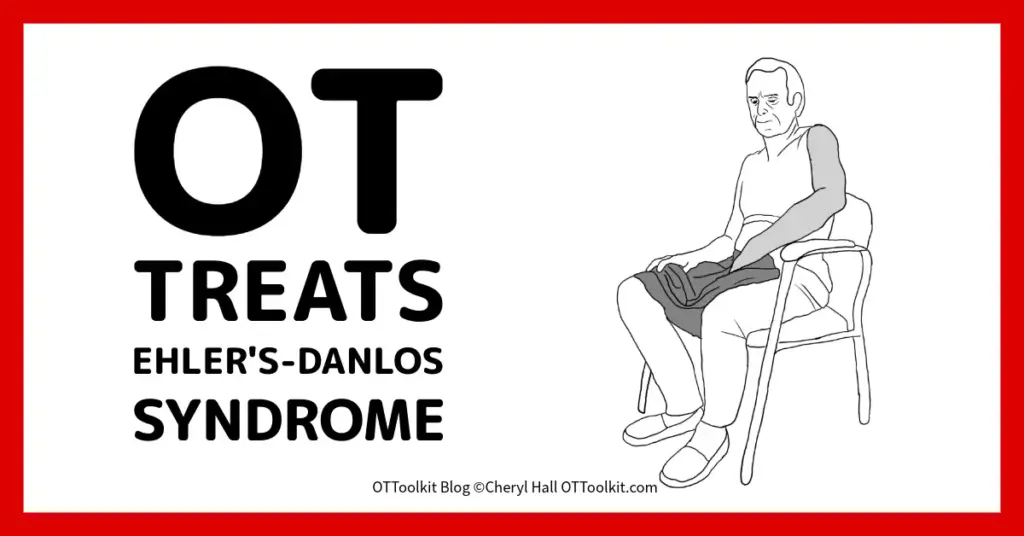
The collaborative spirit of the occupational therapy community has long been a driving force behind the evolution of clinical resources, and a recent inquiry from a practitioner in Tennessee has sparked a significant update for one of the field’s most trusted references. Cheryl, the creator of the Occupational Therapy Toolkit, recently shared that a request from a clinician seeking guidance for a patient living with Ehlers-Danlos Syndrome (EDS) has prompted a commitment to integrate comprehensive EDS treatment protocols into the next edition of the widely used professional resource.
While the Occupational Therapy Toolkit serves as a cornerstone for many therapists, it is a living project that relies on the feedback and real-world clinical experiences of those in the trenches. The request from the Tennessee-based therapist highlights a common challenge in the profession: navigating the complexities of rare or systemic conditions that may not always have a dedicated chapter in standard clinical manuals. Recognizing the vital role that occupational therapy plays in symptom management and the improvement of daily quality of life for those with connective tissue disorders, the decision was made to ensure that future versions of the toolkit provide practitioners with the evidence-based strategies they need to support this specific patient population.
Because the eighth edition of the Occupational Therapy Toolkit was released in 2024, the immediate focus has shifted toward disseminating this essential information through professional outreach and digital updates. By addressing the needs of patients with EDS, the toolkit aims to bridge a gap in clinical knowledge, ensuring that therapists are better equipped to handle the multifaceted symptoms associated with the syndrome.

Understanding the Clinical Challenges of Ehlers-Danlos Syndrome
Ehlers-Danlos Syndrome is a complex group of connective tissue disorders characterized by systemic issues that arise from how the body synthesizes and utilizes collagen. Collagen, often referred to as the "glue" that holds the body together, is essential for the integrity of skin, tendons, ligaments, and blood vessels. When this protein is compromised, the results can be far-reaching. Currently, there are 13 distinct types of EDS identified by medical researchers, each with its own unique genetic origin and clinical presentation.
For the occupational therapist, the hallmark symptoms of EDS often present as significant hurdles to daily function. Patients frequently struggle with joint hypermobility—where joints extend well beyond the normal range of motion—leading to chronic joint instability and pain. The skin in many patients is notably fragile, prone to easy tearing, bruising, and delayed healing. Beyond these physical manifestations, EDS is often a systemic condition, with patients reporting profound fatigue, episodes of dizziness or lightheadedness when transitioning to a standing position, and a variety of gastrointestinal concerns. Because these symptoms can fluctuate in severity, the role of the occupational therapist is critical in helping patients maintain their independence and navigate their environments safely.
Targeted Occupational Therapy Interventions
Occupational therapy for EDS is not a "one-size-fits-all" endeavor. Instead, it requires a holistic approach that balances physical support with lifestyle modifications. One of the primary areas of focus is joint protection. Because hypermobility often leads to painful hyperextension, therapists are trained to intervene by modifying how a patient performs daily tasks. This might include teaching safer movement patterns, recommending specific lifestyle adjustments to minimize joint strain, and the expert design and fitting of splints to provide the necessary structural support for unstable joints.
Energy conservation is another cornerstone of therapy for these patients. The fatigue associated with EDS can be debilitating, often acting as a barrier to participation in work, school, or leisure activities. Therapists work closely with patients to implement pacing and planning strategies, allowing individuals to manage their energy expenditure throughout the day. By analyzing the physical demands of daily tasks and introducing thoughtful modifications, therapists help patients avoid the "boom-and-bust" cycle of activity that can exacerbate their symptoms.
The integration of adaptive equipment is also a vital component of the treatment plan. Beyond assisting with joint protection and energy management, OTs assess the patient’s home and community environments to recommend assistive devices that can prevent falls and improve mobility. This proactive approach to environmental assessment extends to ergonomics. Whether in a workspace, a classroom, or a home office, therapists evaluate the setup to ensure it minimizes repetitive stress and joint strain, often suggesting specific software or ergonomic furniture that allows the patient to work efficiently without compromising their physical health.
A unique aspect of treating EDS involves addressing proprioception. Because hypermobility can disrupt a patient’s sense of where their body is positioned in space, many individuals with the condition struggle with coordination and balance. Occupational therapists utilize targeted therapeutic exercises to retrain this sense of position, which in turn helps to protect the joints and improve overall movement quality.
Furthermore, the clinical picture of EDS is rarely limited to musculoskeletal issues. Many patients manage a range of co-occurring conditions, including persistent sleep disturbances, mental health challenges, migraines, and various autoimmune or gastrointestinal issues. The occupational therapy perspective is uniquely suited to address these, as practitioners can provide, coordinate, and refine the strategies necessary to manage these complex, overlapping symptoms in a way that is integrated into the patient’s life.
Supporting the Clinical Community
While the current edition of the Occupational Therapy Toolkit is already a robust resource, the commitment to adding specific EDS guidance underscores the importance of continuous learning and professional collaboration. The toolkit provides a wealth of materials that are already highly applicable to EDS care, including various treatment guides, ADL and mobility handouts, and therapeutic exercise protocols that can be adapted for the specific needs of hypermobile patients.
For those seeking more in-depth clinical information on this condition, the Ehlers-Danlos Society remains the primary authority. Their website offers an extensive array of resources tailored specifically for healthcare professionals, including continuing education opportunities, the latest research findings, and a global directory of specialists who have deep expertise in the diagnosis and management of the various types of EDS. By combining these specialized resources with the practical, user-friendly frameworks found in the Occupational Therapy Toolkit, therapists can provide a higher standard of care for their patients.
The evolution of the Occupational Therapy Toolkit is, at its heart, a reflection of the dedication of the clinicians who use it. The feedback loop between the creator and the practitioners in the field ensures that the toolkit remains relevant and responsive to the changing needs of the patient population. As the field of occupational therapy continues to grow and adapt to the complexities of systemic conditions like Ehlers-Danlos Syndrome, such collaborative efforts remain the best way to ensure that patients receive the support they need to thrive. Those who have further ideas or clinical insights are encouraged to reach out directly, as the ongoing development of the toolkit depends on the collective wisdom and observations of the entire occupational therapy community.