By Michelle Diament | October 16, 2026
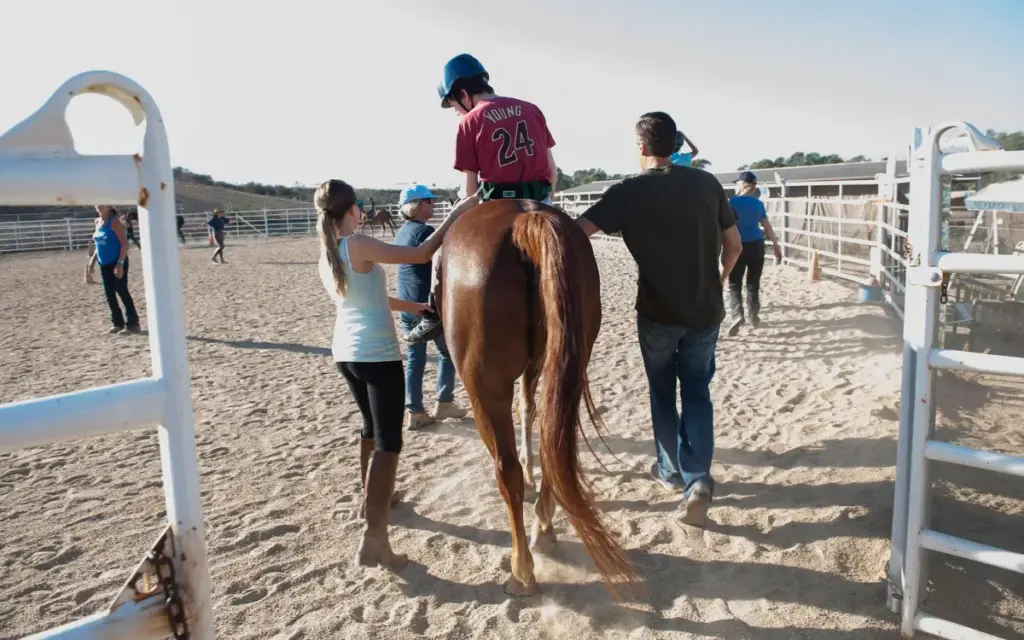
Riding horses or simply spending structured time around them can make a profound difference for children with autism, helping to meaningfully reduce hyperactivity and significantly boost social skills, according to new research published this month.
The findings, featured in the journal Pediatrics, offer fresh insight into how equine-assisted interventions can serve as powerful supplemental therapies for youth facing complex developmental and psychiatric challenges. While traditional clinical environments have long been the gold standard for therapeutic interventions, experts behind the study suggest that introducing animals into a child’s routine can unlock developmental breakthroughs that are often difficult to achieve within the four walls of a standard office or clinic.

In the comprehensive study, researchers evaluated 236 children between the ages of 6 and 16. All of the young participants had a confirmed diagnosis of autism spectrum disorder alongside co-occurring psychiatric conditions, such as severe irritability, anxiety, or attention-deficit/hyperactivity traits. The sheer scale and demographic breadth of the participant pool made it one of the more robust investigations into the physiological and behavioral impacts of equine therapy on youth with developmental disabilities.
To measure the impacts accurately, the research team divided the children into distinct groups to compare different levels of engagement with horses. Some children were assigned to participate in a therapeutic horseback riding program once a week for a rigorous 10-week period. Others were placed in a barn activity group where they visited stables, observed horses, and engaged in general barn-related tasks, but did not actually mount or physically interact with the animals in a riding capacity.
A third group acted as a control cohort, undergoing a waiting period before transitioning into a modified schedule that included five weeks of barn activities followed by five weeks of active riding lessons. This structured design allowed researchers to isolate the specific benefits of being on a horse versus simply being in the dynamic, sensory-rich environment of a stable.
Upon analyzing the behavioral data collected throughout the trial, researchers discovered that both the active riding program and the passive barn activities led to notable, statistically significant drops in irritability and hyperactivity among the participants. Parents and evaluators also reported widespread improvements in the children’s overall emotional regulation and day-to-day social behaviors.
However, when breaking down the specific data points regarding hyperactivity—a trait that frequently presents substantial challenges for children with autism and their families—the researchers noted a distinct advantage for those who physically rode the horses. The greatest overall impact on hyperactivity was definitively observed among the children assigned to the active riding group, pointing to a unique physiological and psychological benefit rooted in the act of riding itself.
“There is something about riding a horse that is particularly helpful for kids with hyperactivity,” said Robin Gabriels, a professor of psychiatry at the University of Colorado Anschutz Medical Campus who led the extensive research study.
Professor Gabriels and her colleagues emphasized that while horseback riding and barn programs are not a universal cure-all and may not be appropriate or accessible for every child on the autism spectrum, the findings strongly support their integration as a valuable way to supplement existing medical, behavioral, and educational treatments.
The mechanics of therapeutic riding involve complex sensory processing. As a horse moves, its rhythmic, three-dimensional gait provides continuous vestibular and proprioceptive input to the rider. This sensory feedback requires the rider’s central nervous system to constantly adjust posture and balance, which researchers believe can help regulate autonomic nervous system functions, thereby calming physical restlessness and reducing outward manifestations of hyperactivity. Furthermore, the mandatory focus required to guide and respond to a large animal naturally commands a child’s attention, anchoring them in the present moment in a way that sedentary therapies rarely achieve.
Beyond the neurological and sensory mechanisms, the social dimension of equine-assisted programs plays a crucial role in behavioral progress. Working around large animals requires clear communication, patience, emotional awareness, and adherence to safety boundaries, all of which translate directly into transferable social competencies.
“Working with horses gives these kids a chance to do something active, social, and engaging,” Gabriels said, reflecting on the broader implications of the findings for pediatric care and developmental support services. “For some children, that may be a particularly effective way to help them develop skills that can be difficult to teach in a traditional clinical environment.”
The publication of these findings in a premier pediatric journal is expected to influence how pediatricians, psychiatrists, and occupational therapists approach holistic treatment plans for families navigating autism and complex behavioral comorbidities. As awareness grows regarding the therapeutic value of animal-assisted interventions, researchers hope these insights will pave the way for greater accessibility, potentially encouraging insurance providers and community health programs to recognize and support therapeutic riding as a legitimate, evidence-based component of comprehensive autism care.