By Michelle Diament | October 16, 2026
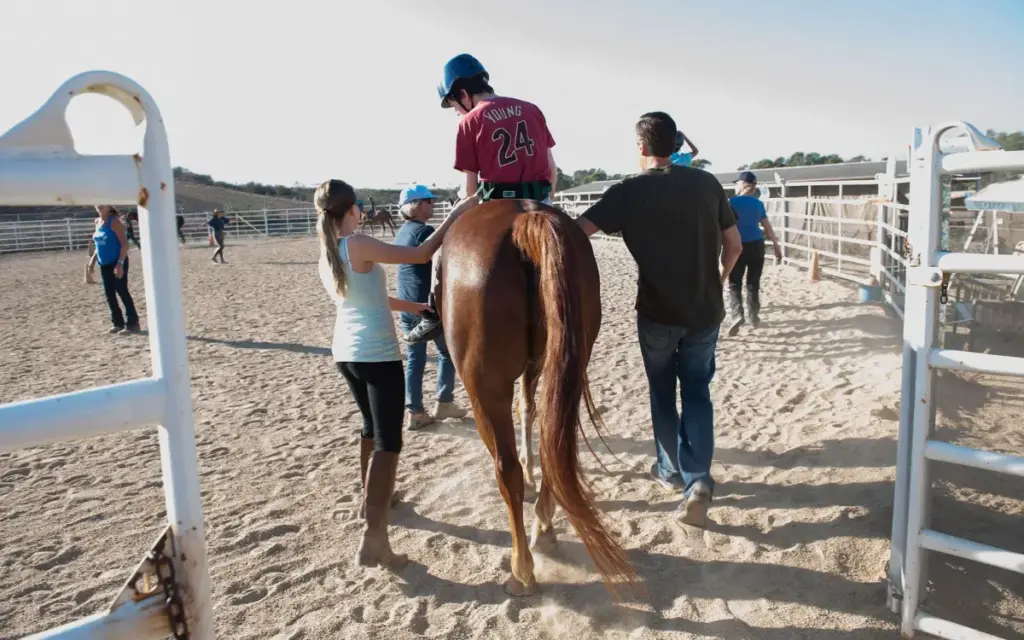
For children on the autism spectrum, the traditional clinical environment—often characterized by sterile rooms, structured diagnostic testing, and repetitive behavioral interventions—can sometimes feel restrictive or overwhelming. However, a growing body of evidence suggests that shifting the therapeutic focus from the office to the outdoors, specifically to the stables, may offer a powerful alternative. New research published this month in the journal Pediatrics underscores the significant mental health and behavioral benefits that therapeutic horseback riding can provide for youth with autism and co-occurring psychiatric conditions.
The study, which tracked 236 children between the ages of 6 and 16, provides a robust look at how human-animal interaction, specifically in an equine setting, can serve as a meaningful catalyst for developmental progress. By comparing different levels of interaction with horses, researchers were able to pinpoint that while simply being in the presence of the animals has value, the active, rhythmic, and physical act of riding offers a distinct therapeutic edge.

Evaluating the Impact of Equine Interaction
To understand the efficacy of these programs, researchers structured a controlled study that separated participants into distinct groups. Some children were assigned to a therapeutic horseback riding program, which required them to attend sessions once a week for a period of 10 weeks. Others were placed in a "barn activity" group. In this cohort, children were brought to the facility and exposed to the environment where they could see and observe the horses, but they did not engage in direct physical interaction or riding. A third group served as a control of sorts, experiencing a waiting period followed by a split program that included five weeks of barn activities and five weeks of actual riding lessons.
The results, according to the researchers, were telling. Across the board, both the active riding program and the passive barn activities led to significant reductions in common behavioral challenges associated with autism, such as irritability and hyperactivity. Furthermore, participants showed marked improvements in their ability to regulate emotions and navigate social interactions—areas that are frequently cited as primary points of struggle for children with autism.
However, the data revealed a nuanced hierarchy in the effectiveness of these interventions. While barn activities were beneficial, the greatest impact on hyperactivity—a core symptom that often interferes with a child’s ability to focus or participate in traditional classroom settings—was observed specifically among the children who were in the riding group. This suggests that the physical engagement with the animal, the sensory input of the horse’s movement, and the necessity of coordination required for riding may provide a unique neuro-behavioral boost.
The Science of the Saddle
Robin Gabriels, a professor of psychiatry at the University of Colorado and the lead investigator on the study, noted that the findings highlight a specific therapeutic quality inherent in horseback riding. "There is something about riding a horse that is particularly helpful for kids with hyperactivity," Gabriels explained.
The therapeutic value of horses is not a new concept, but the rigor of this study helps transition the practice from anecdotal evidence to a more formalized, data-backed recommendation. For children who struggle with the internal restlessness associated with hyperactivity, the horse acts as a sort of biofeedback mechanism. The motion of the animal, the requirement to sit upright, and the focus needed to steer or follow instructions create a controlled environment where the child must be physically and mentally present. Unlike sedentary therapies, riding requires a synchronization of body and mind, which can help to ground children who otherwise find it difficult to maintain stability.
Beyond the physical movement, the social aspect of working with a large animal cannot be overstated. Horses are highly responsive, sentient beings. They react to the tone of voice, body language, and energy levels of the person handling them. This provides an immediate, non-judgmental feedback loop for children with autism. If a child becomes agitated, the horse may react, teaching the child to adjust their own behavior to elicit a calmer response from the animal. This "co-regulation" is a foundational skill that can eventually be generalized to human interactions.
A Complementary Approach to Care
While the results are promising, the researchers are careful not to position therapeutic riding as a standalone cure-all. Instead, they emphasize that it should be viewed as a valuable supplement to existing clinical treatments. For many families, finding the right mix of interventions—ranging from speech and occupational therapy to behavioral counseling—is an ongoing process. Incorporating equine therapy into this mix provides a level of engagement that is often difficult to replicate in a doctor’s office.
"Working with horses gives these kids a chance to do something active, social, and engaging," Gabriels said. "For some children, that may be a particularly effective way to help them develop skills that can be difficult to teach in a traditional clinical environment."
The study acknowledges that horseback riding is not necessarily the right fit for every child on the spectrum. Factors such as sensory sensitivities to animals, fear of heights, or specific physical limitations must be taken into account. However, for those who are interested and physically capable, the barn offers a "low-pressure" environment. In the quiet of a stable or the rhythmic pace of a ride, the high-stress demands of daily life are replaced by the needs of the animal, allowing the child to step out of their internal struggle and into a role of a caretaker or a rider.
Expanding Access and Future Directions
The study comes at a time when the broader disability community is increasingly seeking out holistic and community-based interventions. As families and practitioners look for ways to improve quality of life, the integration of animal-assisted activities is gaining traction. The fact that even non-riding barn activities showed positive outcomes suggests that the "equine environment" itself—the sights, sounds, and social atmosphere of a barn—provides a therapeutic space that is conducive to growth.
For many parents, the biggest barrier remains access. Therapeutic riding centers require specialized staff, trained horses, and safe facilities, which can make them less accessible than standard clinical clinics. The findings from this research may help support advocacy efforts to include such programs in insurance coverage or to secure more funding for non-profit therapeutic riding organizations.
As the field of autism research continues to evolve, the focus is shifting toward interventions that do not just manage symptoms, but also foster genuine engagement and enjoyment. By validating the benefits of horseback riding through a scientific lens, this study provides families with one more evidence-based tool to consider. Whether it is through the calming effect of grooming a horse or the confidence-building experience of learning to ride, the human-animal bond continues to prove itself as a vital component of developmental health.
For now, the message from the researchers is clear: for children struggling with the complex behavioral symptoms of autism, the solution might not always be found in a prescription or a workbook. Sometimes, it is found in the corral. As professionals look to build better, more effective treatment plans, the stable represents a promising, evidence-based avenue for fostering emotional regulation, social connectivity, and personal growth for youth across the spectrum.