







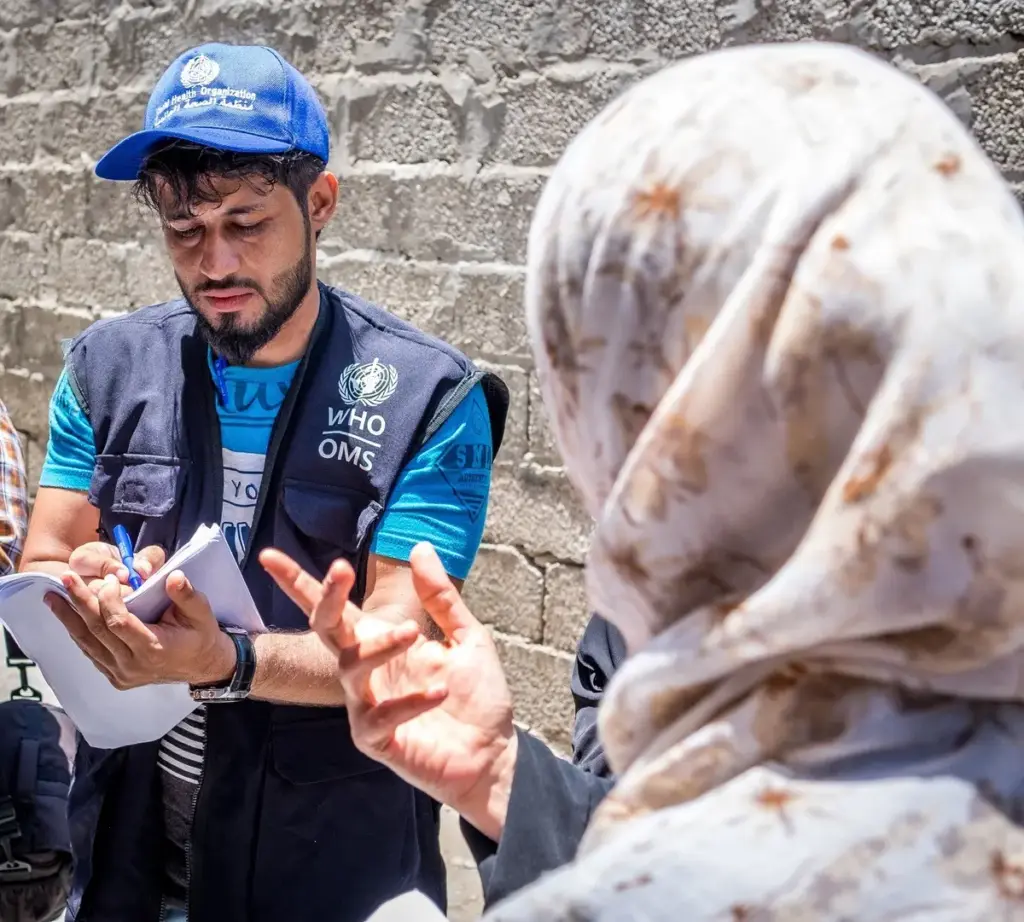
In a decisive move to fortify global health infrastructure, the World Health Organization (WHO) has officially launched the "SCORE for Health Data Technical Package." This comprehensive initiative arrives as a strategic response to the profound challenges exposed by the COVID-19 pandemic, which underscored a critical, global deficit in the availability of timely and reliable data. By providing a unified framework for health information systems, the WHO aims to empower nations to transition from reactive crisis management to proactive, data-driven health policy.
The COVID-19 pandemic has served as a global catalyst for re-evaluating how health information is gathered, analyzed, and applied. While the world has made significant strides in medicine and technology, the foundational systems required to monitor population health—such as civil registration, vital statistics, and routine health service reporting—remain fractured in many regions. Without these foundational pillars, governments struggle to track disease outbreaks, allocate resources effectively, or measure the success of public health interventions. The SCORE package is designed to bridge this gap, ensuring that health data is not merely collected, but transformed into actionable intelligence.
"Countries must be able to measure progress to make progress," stated WHO Director-General Dr. Tedros Adhanom Ghebreyesus. "Particularly during COVID-19, reliable data is the best way to coordinate response efforts and improve health in all areas." His remarks emphasize a fundamental truth in public health: that the efficacy of any intervention is tethered to the accuracy of the data informing it. In an era where scarce resources must be distributed with precision, the ability to pinpoint where aid is most needed can be the difference between life and death for vulnerable populations.

The acronym SCORE stands for Survey, Count, Optimize, Review, and Enable. It represents a harmonized, all-encompassing approach to health information system performance. Rather than requiring countries to navigate a fragmented landscape of disparate standards and disjointed tools, SCORE consolidates these elements into a single, cohesive package. It is intended to serve as a global benchmark, helping governments establish, maintain, and upgrade their health data infrastructure to meet international standards.
The necessity for such a framework was starkly illustrated by the WHO’s World Health Statistics 2020 report, which highlighted severe inconsistencies in data availability across various regions. To address these systemic weaknesses, the SCORE package incorporates more than 90 universally accepted tools and standards. These resources are designed to be flexible enough to adapt to the specific needs of diverse countries while remaining robust enough to ensure the data produced is high-quality, validated, and comparable on an international scale.
The development and implementation of this package are supported by a strategic partnership between the WHO and the Bloomberg Philanthropies Data for Health Initiative. This collaboration represents a significant investment in global public health capacity, acknowledging that the path toward more resilient health systems begins with better data. Dr. Kelly Henning, Director of Public Health Programs at Bloomberg Philanthropies, highlighted the importance of this partnership, noting that the initiative provides governments with the essential technical guidance required to take ownership of their own statistical systems. By fostering local capacity, the project ensures that the ability to monitor health outcomes becomes a sustainable feature of national governance rather than a temporary reliance on external expertise.
The core philosophy of the SCORE package is rooted in the belief that data is a vital public good. When health systems are equipped to gather disaggregated data—information broken down by age, sex, geography, and socioeconomic status—they can identify health inequities that might otherwise remain hidden. This is essential for achieving the Sustainable Development Goals (SDGs) and the WHO’s "Triple Billion" targets, which aim to provide universal health coverage, protect populations from health emergencies, and promote better health and well-being for all.
Dr. Samira Asma, Assistant Director-General for Data, Analytics and Delivery for Impact at WHO, has been a vocal proponent of the urgency required to address these systemic data gaps. "We must keep score to save lives," Dr. Asma remarked. "WHO is committed to working with countries and partners to rapidly scale up capacity for data collection and use in order to improve policy and performance. We must act now to invest in statistical systems in countries, respond to this pandemic and meet the SDGs and the Triple Billion targets. Our window of opportunity is closing, and we cannot wait to address data gaps. Data use to address country needs has to be a priority today."
The introduction of the SCORE package is not merely an administrative upgrade; it is a fundamental shift toward accountability and efficiency. By standardizing how countries track everything from maternal mortality and chronic disease trends to vaccination coverage and infectious disease outbreaks, the WHO is providing a roadmap for countries to build back better. The pandemic has been a wake-up call, revealing that even the most sophisticated health systems are vulnerable when they lack real-time visibility into the health status of their populations.
As the world continues to grapple with the multifaceted impacts of the COVID-19 pandemic, the value of international solidarity and information sharing has never been more apparent. The SCORE package serves as a practical manifestation of this spirit of cooperation. By providing a common set of tools based on shared global standards, the WHO is facilitating a cross-border exchange of knowledge that allows countries to learn from one another’s successes and challenges. The package is intentionally designed to be practical and actionable, ensuring that its implementation can begin immediately, even in resource-constrained environments.
The initial rollout of the SCORE Technical Package includes a set of core foundational documents that provide the necessary technical guidance for implementation. However, this is only the beginning of a larger, ongoing effort. The WHO has announced plans to release additional components throughout the year, including the SCORE Assessment Instrument and a series of comprehensive global, regional, and national status reports. These subsequent releases will provide stakeholders with the tools to monitor progress against national and subnational priorities, ensuring that the push for better data remains a continuous, iterative process rather than a static project.
Ultimately, the goal of the SCORE for Health Data Technical Package is to foster a global culture of data-informed decision-making. By empowering countries to measure their health outcomes accurately, the WHO is helping to build the resilient, sustainable health systems necessary to navigate both current and future health challenges. As the international community works toward a more equitable health landscape, the ability to "keep score" will remain a central component of protecting lives and ensuring that no population is left behind in the global effort to improve health and wellness for all. The commitment demonstrated by the WHO and its partners underscores a collective resolve to ensure that, in the future, the global response to health crises will be guided not by speculation, but by the strength and clarity of reliable, validated data.