





By Michelle Diament
October 16, 2026
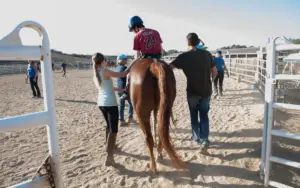
For many families navigating the complexities of autism spectrum disorder, the search for effective, engaging interventions that extend beyond the walls of a traditional clinical office is constant. New research published this month in the journal Pediatrics offers a promising avenue for those seeking supplemental support: therapeutic horseback riding. The study suggests that spending time around horses, and specifically participating in riding programs, can yield significant improvements in the lives of children with autism, particularly by reducing hyperactivity and bolstering social skills.
The study, which examined 236 children between the ages of 6 and 16, provides empirical weight to what many in the equine therapy community have long observed anecdotally. By comparing the effects of structured horseback riding against passive barn-based activities, researchers were able to isolate the specific impact of the human-animal bond and the physical act of riding on the neurodevelopmental challenges often associated with autism and co-occurring psychiatric conditions.

A Structured Approach to Equine Interaction
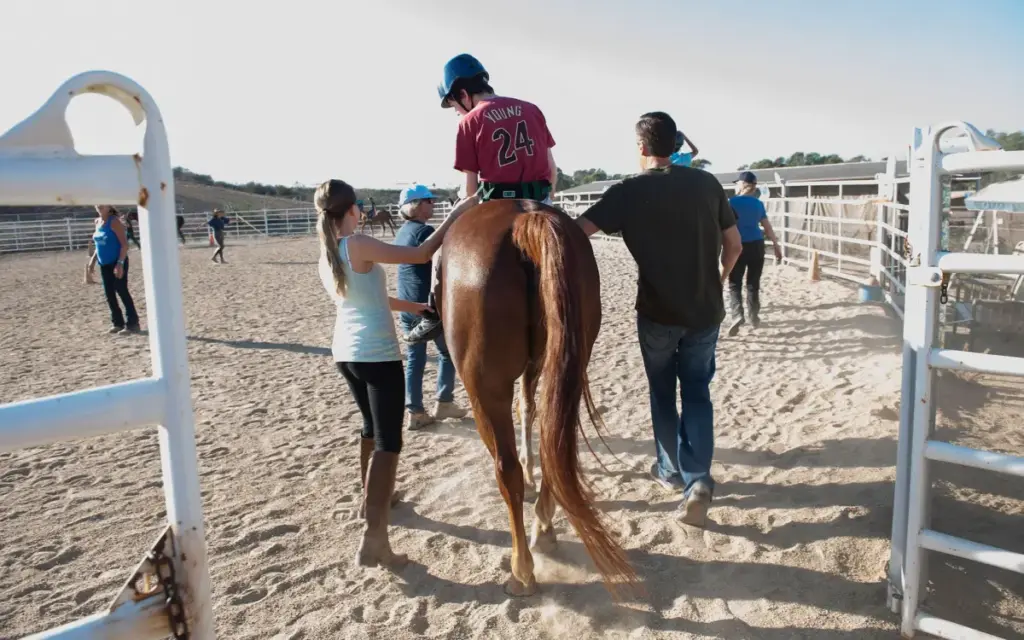
To ensure the integrity of the findings, the research team utilized a rigorous methodology. Participants were categorized into distinct groups to measure the efficacy of different levels of engagement with horses. One group was assigned to participate in therapeutic horseback riding sessions once a week for a duration of 10 weeks. A second group engaged in a barn activity program, where children were exposed to the environment and observed the horses without direct interaction or riding. A third group acted as a control, undergoing a waiting period before engaging in five weeks of barn-based activities, followed by five weeks of active riding lessons.
The results, published in the October issue of Pediatrics, indicate that while both groups experienced benefits, the nature of those benefits varied based on the intensity of the engagement. Both the riding program and the barn activity sessions led to notable, statistically significant reductions in irritability and hyperactivity among the participants. Beyond these behavioral metrics, researchers also observed meaningful improvements in the children’s emotional regulation and social behaviors, suggesting that the equestrian environment itself acts as a powerful therapeutic setting.
However, the study identified a clear distinction regarding the severity of hyperactivity. While all participants showed progress, the greatest impact on hyperactivity was observed among the children who participated in the active riding group. This finding suggests that the physiological and sensory inputs associated with controlling and moving with a horse may provide a unique regulatory mechanism for children who struggle with high levels of energy and impulsivity.
The Science Behind the Saddle
Robin Gabriels, a professor of psychiatry at the University of Colorado and the lead researcher on the study, emphasized the unique nature of the horse as a therapeutic partner. According to Gabriels, the findings underscore the importance of finding non-traditional outlets for children who may struggle with the sedentary nature of standard talk therapy or behavioral conditioning.
"There is something about riding a horse that is particularly helpful for kids with hyperactivity," Gabriels noted. The sensory experience of riding—the rhythmic motion of the horse, the tactile feedback of the animal’s warmth and movement, and the necessity of focusing on a living creature—creates an environment that is both demanding and rewarding. Unlike a classroom or a clinical setting, where social expectations can be abstract and overwhelming, the barn provides a concrete, real-time environment where social cues are immediate and the feedback loop is constant.
The researchers were careful to frame these findings as a supplement to, rather than a replacement for, established medical and behavioral treatments. While horseback riding may not be the optimal intervention for every child on the spectrum, the study suggests that it should be considered a viable and highly effective component of a comprehensive care plan.
Bridging the Gap Between Clinic and Community
The appeal of therapeutic riding often lies in its ability to facilitate "incidental" learning. In a clinical office, a child may be asked to practice social skills through role-playing, which can feel forced or artificial. In contrast, working with a horse requires the child to navigate communication, patience, and non-verbal cues in a way that feels organic. "Working with horses gives these kids a chance to do something active, social and engaging," Gabriels explained. "For some children, that may be a particularly effective way to help them develop skills that can be difficult to teach in a traditional clinical environment."
The study’s findings come at a time when the broader disability community is increasingly focused on identifying interventions that promote not just the management of symptoms, but the improvement of quality of life and social integration. By moving beyond the sterile environment of a therapy office, families are discovering that activities like therapeutic riding can provide children with a sense of autonomy and accomplishment.
For the participants involved, the ability to manage a large animal fosters a sense of confidence that can be rare for children who often feel out of sync with their peers. The emotional regulation gained through these sessions—often cited by parents and therapists alike—appears to have a ripple effect, improving the child’s ability to remain calm and focused in school and at home.
Implications for Future Care
As the field of autism research continues to evolve, the focus is shifting toward holistic approaches that recognize the diversity of needs within the autism community. The findings published in Pediatrics serve as a vital contribution to this movement, providing clinicians with evidence-based justification for recommending equine-assisted activities.
However, the researchers also acknowledge that access remains a significant hurdle. Therapeutic riding centers require specialized equipment, trained horses, and experienced instructors, all of which contribute to the cost and accessibility of these programs. As the evidence base grows, there is hope that insurers and healthcare providers will recognize the clinical value of these interventions, potentially leading to broader coverage and increased availability for families who might otherwise be unable to afford such services.
Ultimately, the study by Gabriels and her colleagues reinforces a fundamental truth that many caregivers have long suspected: that for children with autism, the path to progress is not always found in a textbook or a manual, but sometimes on the back of a horse. By creating a space that is physically engaging and socially rewarding, therapeutic riding programs offer a bridge to the outside world, helping children navigate the complexities of their diagnosis with newfound confidence and poise.
As the scientific community continues to digest these results, the conversation around autism care will likely continue to broaden, shifting away from purely clinical interventions toward a more integrated model of care that values the transformative power of nature, movement, and the unique bond between humans and animals. While further research will undoubtedly be needed to refine these programs and understand their long-term efficacy, the current data provides a compelling case for the role of equine therapy as a pillar of support for children on the autism spectrum.