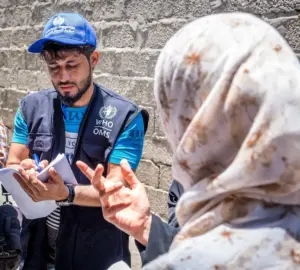





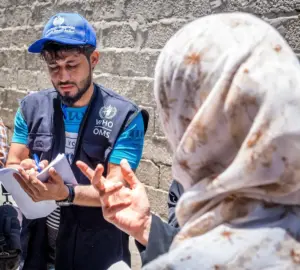



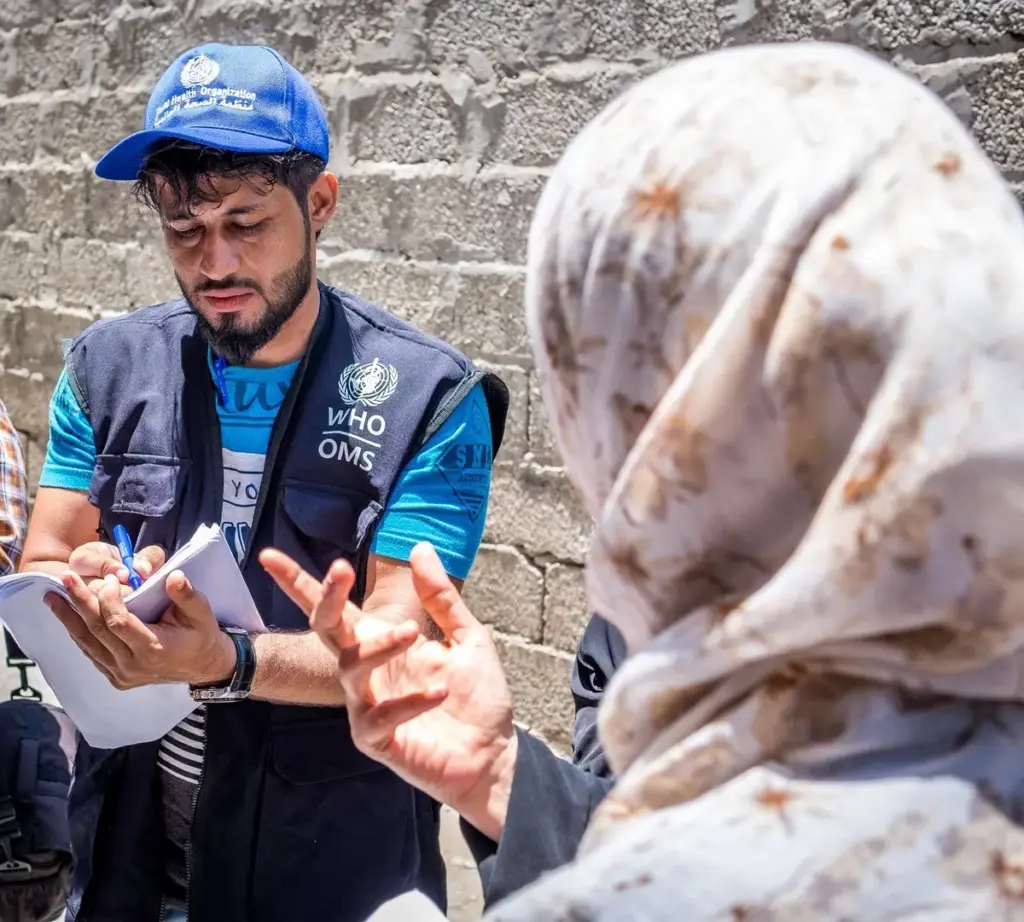
In an era defined by the rapid spread of global health crises and the increasing complexity of public health administration, the World Health Organization (WHO) has unveiled a significant initiative aimed at fortifying the backbone of international medical response: the SCORE for Health Data Technical Package. As the world continues to grapple with the multifaceted challenges posed by the COVID-19 pandemic, this comprehensive resource is designed to address the critical gaps in health information systems that have hindered effective policy and emergency response across the globe.
The launch of the SCORE (Survey, Count, Optimize, Review, Enable) package represents a milestone in the WHO’s ongoing commitment to improving health outcomes through the strategic application of information. By providing a unified, harmonized set of standards, the WHO aims to equip governments with the tools necessary to collect, analyze, and utilize health data with unprecedented precision.
The Urgency of Data in a Pandemic Era
The COVID-19 pandemic has served as a stark, global wake-up call regarding the fragility of many national health information systems. In numerous countries, the inability to collect, process, and analyze real-time data has created significant obstacles for decision-makers tasked with implementing life-saving interventions. Without reliable data, governments struggle to allocate scarce resources, identify at-risk populations, or evaluate the success of their public health strategies.

"Countries must be able to measure progress to make progress," said WHO Director-General Dr. Tedros Adhanom Ghebreyesus, emphasizing the direct link between data integrity and public safety. "Particularly during COVID-19, reliable data is the best way to coordinate response efforts and improve health in all areas."
The premise of the SCORE initiative is straightforward: accurate health data is not merely a bureaucratic requirement; it is a fundamental component of life-saving medical care. When health systems can pinpoint exactly where and how a disease is spreading, or where a health system is failing, they can pivot their focus to address those needs. This level of granular visibility ensures that limited financial and human resources are directed toward the areas where they can have the most significant impact on mortality and morbidity rates.
A Unified Framework: The SCORE Approach
The SCORE Technical Package is the first of its kind to consolidate the essential elements for optimizing health information systems into one coherent, accessible framework. The acronym—Survey, Count, Optimize, Review, Enable—outlines the cyclical nature of a robust data ecosystem. It moves beyond simple collection, pushing countries to integrate their findings into a larger review process that informs future legislation and healthcare standards.
For many years, the global health landscape has been fragmented, with various organizations providing disparate tools that often failed to communicate with one another. The SCORE package changes this by offering a harmonized approach. It includes more than 90 universally accepted tools and standards, meticulously curated to help governments set clear benchmarks and elevate their healthcare standards.
By responding to the data availability challenges highlighted in the WHO’s World Health Statistics 2020 report, the organization is acknowledging that the previous status quo was insufficient for modern demands. The package is designed to be practical and flexible, allowing countries of varying infrastructure levels to adopt the components that best suit their current needs while working toward a more sophisticated and standardized future.
Global Partnership for Data Integrity
The development and implementation of the SCORE package have been bolstered by a strategic partnership with the Bloomberg Philanthropies Data for Health Initiative. This collaboration highlights the growing importance of public-private cooperation in addressing the systemic weaknesses that currently plague global health infrastructure.
Dr. Kelly Henning, Director of Public Health Programs at Bloomberg Philanthropies, emphasized the significance of this guidance in a statement following the announcement. "Using data to inform public health priorities and strategies has never been more important," Dr. Henning said. "The SCORE Technical Package provides country governments around the world with high-quality, essential technical guidance so that countries can strengthen their own data systems."
This partnership ensures that the guidance provided in the SCORE package is not only scientifically rigorous but also operational and sustainable. By providing countries with the necessary technical guidance, the initiative empowers them to take ownership of their own statistical systems rather than relying on external, temporary assessments.
Driving Toward Impact: The Role of Data in Policy
Dr. Samira Asma, Assistant Director-General for Data, Analytics and Delivery for Impact at the WHO, stressed that the time for incremental improvement has passed. "We must keep score to save lives," she stated. "WHO is committed to working with countries and partners to rapidly scale up capacity for data collection and use in order to improve policy and performance."
According to Dr. Asma, the global community is currently facing a narrow window of opportunity. To meet the Sustainable Development Goals (SDGs) and the ambitious "Triple Billion" targets—which aim to ensure one billion more people benefit from universal health coverage, one billion more are better protected from health emergencies, and one billion more enjoy better health and well-being—nations must address their persistent data gaps immediately.
The strategy relies heavily on the use of country-owned, disaggregated data. When data is broken down by age, gender, location, and socio-economic status, it reveals the hidden inequalities that often prevent health systems from functioning equitably. By leveraging this level of detail, countries can create more resilient, sustainable systems that are capable of withstanding future shocks, whether those take the form of pandemics, climate-related health crises, or chronic disease outbreaks.
Looking Ahead: Implementation and Future Development
The current release of the SCORE Technical Package is only the beginning of a broader effort. The WHO has indicated that this initial release, which focuses on foundational documentation, will be supplemented later this year with further components. Among these additions will be the SCORE Assessment Instrument, which will allow countries to gauge their current performance against the package’s global standards.
Furthermore, the organization plans to publish a series of global, regional, and country-level status reports. These reports are intended to provide a transparent overview of how different nations are progressing in their data collection and utilization efforts. By fostering a culture of information-sharing and accountability, the WHO hopes to turn the current climate of crisis into an opportunity for collective improvement.
The ongoing COVID-19 pandemic continues to test the resolve and infrastructure of nations worldwide. The WHO maintains that success in this endeavor will only be achieved through solidarity and a common set of tools. By providing a scalable, actionable, and flexible framework, the SCORE Technical Package seeks to transform the way governments interact with their own health data.
As countries begin to integrate these tools into their national strategies, the ultimate goal remains the improvement of individual lives. Through better data, the global health community intends to move toward a future where healthcare is not a matter of guesswork, but a precise, evidence-based science capable of meeting the health needs of all, regardless of location or economic status. This initiative marks a significant step toward that objective, ensuring that for the first time, countries have a standardized, universal path toward superior health information management.