





By Michelle Diament
October 16, 2026
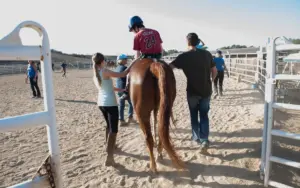
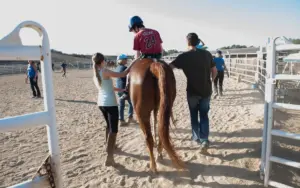
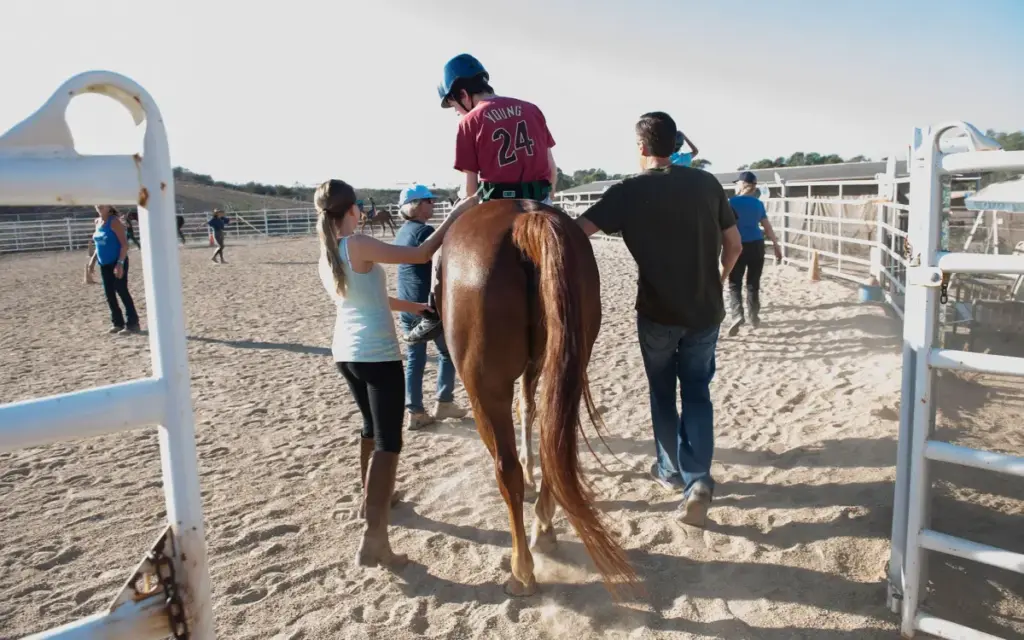
Riding horses or even simply spending time around them can make a profound difference for children with autism, helping to significantly reduce hyperactivity and boost critical social skills, according to new research published this month in the journal Pediatrics.
In a comprehensive study involving 236 children diagnosed with autism and co-occurring psychiatric conditions, researchers discovered that participating in either a structured therapeutic riding program or engaging in supervised barn activities brought about meaningful developmental and behavioral benefits. The findings offer fresh insights into how animal-assisted interventions can complement traditional clinical therapies for young people navigating complex developmental and behavioral challenges.

The study participants, all children between the ages of 6 and 16, were divided into different groups to test the specific impacts of equine-related activities. Some of the children were assigned to receive therapeutic horseback riding once a week for a period of 10 weeks. Others took part in a barn activity group where they had the opportunity to observe and be around horses, but did not directly interact with or ride them. A third group experienced a waiting period before participating in the barn activity for five weeks, followed by five weeks of hands-on riding lessons.
Upon analyzing the behavioral outcomes across the cohorts, researchers found that both the riding program and the non-riding barn activities led to significant drops in irritability and hyperactivity. Furthermore, the children demonstrated notable improvements in emotional regulation and social behaviors as the programs progressed.
However, a deeper look at the data revealed a distinct advantage for those who actually mounted the animals. The greatest impact on hyperactivity specifically was observed among the children assigned to the active riding group, pointing to a unique physiological and psychological benefit of being in the saddle.
“There is something about riding a horse that is particularly helpful for kids with hyperactivity,” said Dr. Robin Gabriels, a professor of psychiatry at the University of Colorado who led the groundbreaking study.
The rhythmic movement of a horse requires a high degree of physical and mental coordination, core stability, and sensory integration. For children struggling to regulate their physical energy and attention spans, the dynamic environment of a horseback riding ring demands focus while simultaneously providing a soothing, repetitive motion that can help calm the nervous system.
While the researchers emphasized that horseback riding is not necessarily the right fit for every child on the autism spectrum—given individual sensory sensitivities, fears, or physical limitations—their findings strongly suggest that equine programs serve as a valuable and effective way to supplement existing therapeutic interventions.
Traditional clinical environments, such as office-based behavioral therapy sessions, speech therapy, or counseling, are vital for many children with autism. However, these settings can sometimes feel sterile, restrictive, or overly clinical, making it difficult for children to generalize the skills they learn into everyday social and community contexts.
“Working with horses gives these kids a chance to do something active, social and engaging,” Gabriels noted. “For some children, that may be a particularly effective way to help them develop skills that can be difficult to teach in a traditional clinical environment.”
The appeal of equine-assisted therapy has grown steadily over recent years, with families and healthcare providers increasingly looking toward holistic and community-based interventions to support youth with developmental disabilities. Centers offering therapeutic riding provide a unique blend of physical exercise, outdoor engagement, and social interaction with peers and instructors. As children learn to groom, lead, and ride horses, they naturally practice communication, patience, empathy, and teamwork.
The publication of this study in Pediatrics adds robust empirical backing to what many therapeutic riding centers and families have long observed anecdotally. By demonstrating measurable improvements in emotional regulation, social interaction, and hyperactivity through a rigorous clinical trial, the research paves the way for a broader understanding and potential integration of equine therapies into comprehensive treatment plans for children with autism and co-occurring conditions.