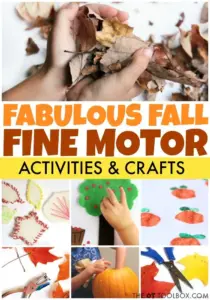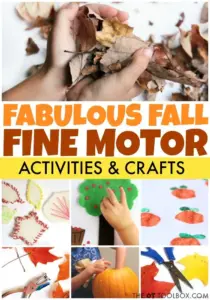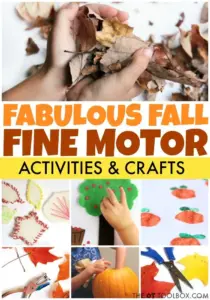







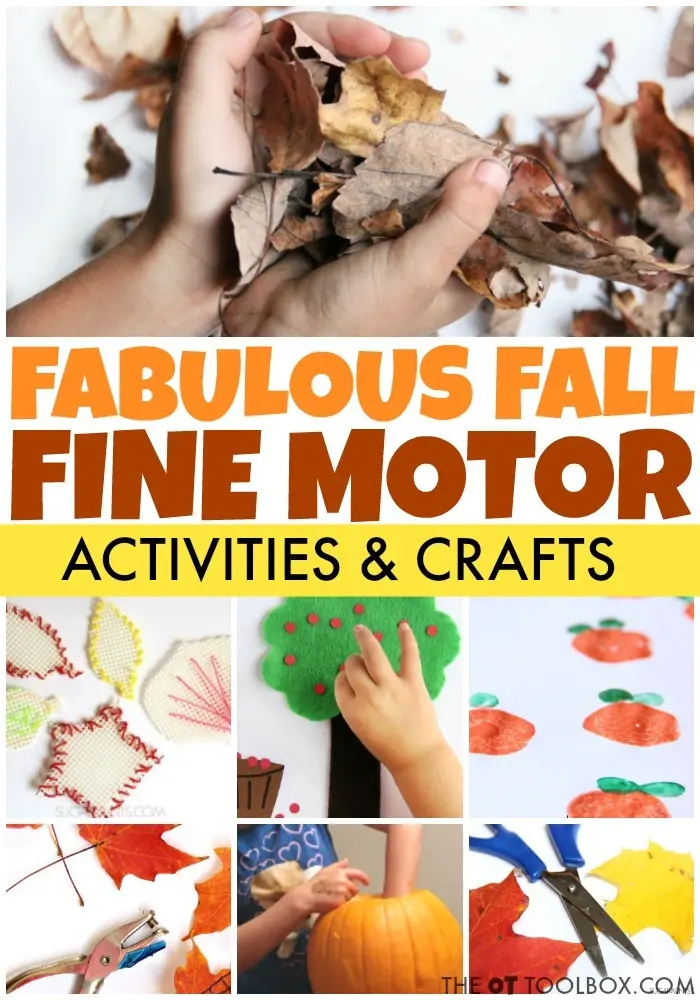
As the autumn air turns crisp, leaves transform into vibrant shades of amber and gold, and pumpkin spice aromas fill the atmosphere, educators, parents, and pediatric therapists are welcoming a new season of learning and play. Rather than choosing seasonal projects purely for festive entertainment, pediatric occupational therapists are increasingly leveraging fall-themed materials to target specific developmental milestones. From apples and pumpkins to acorns and falling leaves, familiar seasonal motifs are proving to be powerful tools for developing crucial hand strength, dexterity, scissor proficiency, visual-motor integration, and handwriting capabilities in children.
Pediatric specialists emphasize that seasonal activities can be strategically adapted to address multiple developmental needs simultaneously. As children engage in playful autumn tasks, they are actively refining the small muscles required for everyday tasks, such as managing clothing fasteners, opening containers, and securely gripping writing utensils. To support these efforts, educators and therapists frequently incorporate a variety of hands-on strategies into their daily routines, drawing from resources like specialized membership platforms and sensory-focused activity booklets designed to promote both fine and gross motor development through seasonal experiences.
Fall Hand Strength Activities
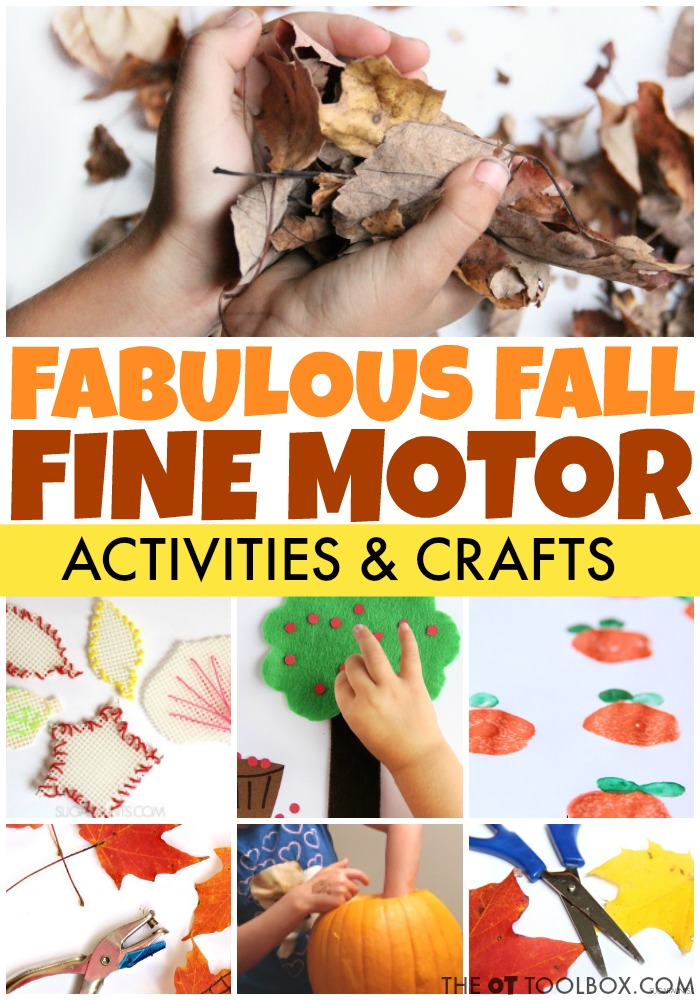
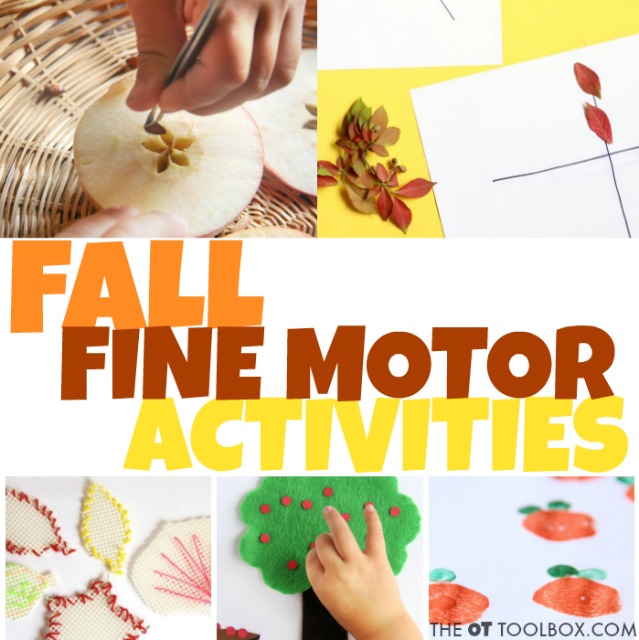
Hand strength is a foundational component of physical development that directly influences a child’s ability to manipulate objects and write effectively. When hand muscles are underdeveloped, children often experience fatigue during everyday tasks. To combat this, therapists utilize engaging tools such as apple geoboards, where children stretch rubber bands across pegs to recreate specific fruit designs. This action provides targeted resistance to the fingers and hands while demanding precision and controlled release, simultaneously fostering bilateral coordination and visual-motor planning. Therapists can easily modify the challenge by introducing thicker or more resistant bands or by simplifying visual patterns for younger participants.
Play dough remains a cornerstone of pediatric therapy regardless of the calendar month, offering resistive tactile feedback and proprioceptive input. Rolling, squeezing, pinching, and pressing dough exercises the intrinsic muscles of the hand without feeling like traditional work. Therapists often enhance the experience by hiding miniature items, such as fall-themed erasers, leaves, or colored beads, inside the dough, or by utilizing printable shape cards. Similarly, apple hole-punch activities provide another effective avenue for strengthening. Operating a handheld hole punch requires sustained muscular force, while positioning the tool along a printed border introduces an essential visual-motor component that engages both hands in a coordinated effort.
Fall Dexterity Activities
Manual dexterity relies on the coordinated, precise movement of the fingers, combining speed, strength, and visual-motor integration. When these systems misalign, children often struggle with fine motor tasks. Seasonal manipulatives—ranging from craft pom-poms and seeds to paper clips and small craft supplies—frequently serve as catalysts for improving finger manipulation and control during autumn-themed exercises.
For instance, the fall tree geoboard activity encourages children to manipulate rubber bands around individual pegs, requiring them to use their fingertips rather than their whole hands to grasp, stretch, and reposition the bands. Paper clip counting activities offer another portable option. By attaching a specific number of paper clips to laminated apple counting cards, children practice precise fingertip movements and bilateral hand stabilization. Similarly, transferring fall-colored pom-poms into ice cube trays using tongs or tweezers allows therapists to dynamically adjust the precision requirements simply by altering the size of the tools or the pom-poms themselves.
Fall Scissor Skills and Cut-and-Paste Crafts
Scissor proficiency demands synchronous collaboration between both hands: one hand must continuously open and close the scissors while the helper hand stabilizes, rotates, and guides the paper along a visual path. Specialized apple cutting practice pages and farm-themed cut-and-paste crafts challenge children to advance beyond simple snipping.
When children cut along intricate lines or assemble cut-and-paste projects, they actively exercise bilateral coordination, visual-spatial awareness, sequencing, and direction-following. Instructors and therapists often observe how children approach these cutting tasks, noting whether they maintain proper hand positioning or encounter difficulties with paper rotation. In regions with changing foliage, children can even gather real leaves to snip into small pieces or cut into shapes, combining sensory exploration with foundational motor skill development.
Visual-Motor Integration in Autumn Tasks
A child may possess adequate hand strength and dexterity yet still struggle when a task requires them to copy a design, follow a line, or coordinate visual input with hand movement. Fall-themed directed drawing exercises address this visual-motor gap by asking children to observe models of acorns, leaves, or pumpkins and reproduce their spatial relationships on paper.
Pattern block designs further bridge this gap by combining fine motor manipulation with visual discrimination, requiring children to select appropriate geometric pieces and position them relative to one another. Additionally, seasonal "I Spy" seek-and-find sheets encourage visual scanning, figure-ground perception, and sustained attention. Therapists often incorporate fine motor enhancements into these visual tasks by having children circle found items, cover them with small manipulatives, or attach clothespins to corresponding pictures.
Fall Handwriting and No-Prep Activities
Rather than practicing isolated letters, educators frequently utilize thematic writing prompts to integrate handwriting into meaningful, contextual tasks. Depending on an individual student’s developmental stage, these writing exercises can focus on specific components such as line awareness, letter spacing, size consistency, formation, or endurance. Emerging writers may simply write a single fall-related word, while older students can plan and compose complete paragraphs.
Beyond structured printables, everyday natural materials found in yards and homes offer endless opportunities for spontaneous fine motor practice. Leaves can be torn, crumpled, punched, cut, sorted, or strung; acorns can be picked up with tongs and counted; and ordinary household items like plastic bread ties can be manipulated into creative crafts. By embedding these seasonal elements into daily routines, educators and therapists continue to provide engaging, effective pathways for children to build the vital motor skills necessary for long-term academic and functional success.