




By Michelle Diament | October 16, 2026
For many children diagnosed with autism, navigating the complexities of daily life—including managing emotional regulation, social interactions, and high levels of energy—can present significant hurdles. While traditional clinical therapies remain a cornerstone of support for these individuals, a growing body of evidence suggests that alternative, nature-based interventions may offer unique advantages. New research published this month in the journal Pediatrics provides compelling evidence that therapeutic horseback riding and structured interaction with horses can serve as a powerful, effective supplement to existing behavioral and psychiatric treatments for youth with autism.
The study, which examined 236 children between the ages of 6 and 16, specifically looked at those who carried a diagnosis of autism along with co-occurring psychiatric conditions. These conditions often complicate the treatment landscape, as they can exacerbate irritability, hyperactivity, and difficulty with social cues. By focusing on a population with these complex needs, the research team aimed to determine if equine-assisted activities could provide measurable improvements that might not be as easily achieved in a traditional office-based clinical environment.

The Structure of the Study
To test the efficacy of these programs, researchers implemented a rigorous study design. The participants were divided into distinct groups to compare the effects of active horseback riding against the effects of simple exposure to the environment where horses are kept.
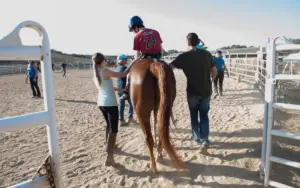
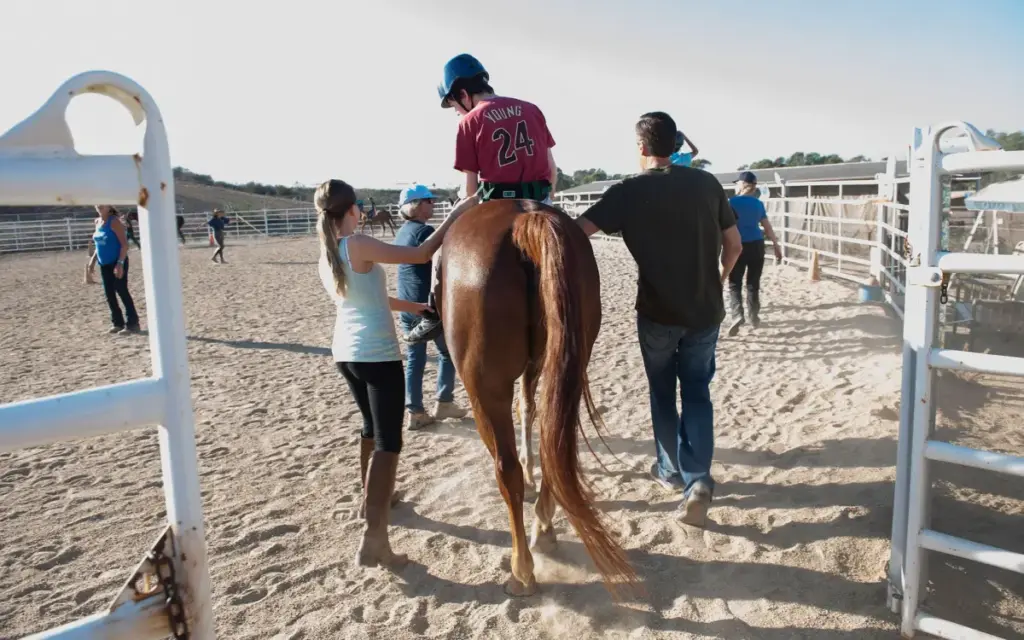
One group of children was assigned to participate in a formal therapeutic horseback riding program once a week for a duration of 10 weeks. This program involved the physical act of riding, which requires balance, focus, and a unique form of physical coordination. A second group was tasked with attending a "barn activity" program. In these sessions, children visited the barn and spent time in the presence of horses, but they did not engage in direct riding or physical interaction. A third group acted as a control, initially participating in a waiting period before undergoing a split program: five weeks of barn activities followed by five weeks of riding lessons.
By comparing these groups, the researchers sought to isolate whether the benefits were derived simply from the novelty and sensory stimulation of the barn environment or if the physical and psychological act of riding the horse was the primary driver of positive outcomes.
Measurable Improvements in Behavior
The results of the study were striking. Across both the riding program and the barn activity group, researchers documented significant reductions in irritability and hyperactivity among the participants. Furthermore, the children demonstrated measurable improvements in their ability to regulate their emotions and navigate social interactions. These findings are particularly significant, as irritability and hyperactivity are among the most challenging symptoms for families to manage at home and for educators to navigate in the classroom.
However, while both groups saw improvements, the data revealed that the most profound impact on hyperactivity was observed specifically among the children who participated in the riding sessions. This suggests that the physical engagement with the animal—the rhythmic motion of the horse, the requirement to follow instructions, and the sensory input of the riding experience—offers a therapeutic benefit that extends beyond mere proximity to the animals.
Robin Gabriels, a professor of psychiatry at the University of Colorado and the lead investigator of the study, noted the distinct advantage of the riding component. "There is something about riding a horse that is particularly helpful for kids with hyperactivity," Gabriels explained.
The physiological and psychological demands of riding require a child to be present and engaged in a way that differs from traditional sedentary therapy. When a child is on horseback, they must constantly adjust their posture and focus their attention on the animal’s movement. This active participation appears to help anchor children who might otherwise struggle with the restlessness that often accompanies their psychiatric conditions.
Supplementing Traditional Care
The researchers were careful to frame these findings not as a replacement for conventional clinical care, but as a valuable addition to a broader therapeutic toolkit. Horseback riding is not a "one-size-fits-all" solution, and it may not be suitable for every child, particularly those with certain physical limitations or severe phobias related to animals. However, for many families, the addition of equine therapy can provide a breakthrough in areas where traditional methods may have plateaued.
The benefits of the program extend into the realm of social development as well. Working with horses requires a level of non-verbal communication and trust that can be transformative for a child with autism. The animal serves as a non-judgmental partner, providing feedback that is immediate and consistent. When a child learns to guide a horse, they are practicing communication, assertiveness, and patience—skills that are notoriously difficult to teach in a clinical office setting.
"Working with horses gives these kids a chance to do something active, social and engaging," Gabriels said. "For some children, that may be a particularly effective way to help them develop skills that can be difficult to teach in a traditional clinical environment."
Implications for Future Support
The publication of this study in Pediatrics underscores the growing scientific interest in integrative therapies for developmental disabilities. As clinicians and parents continue to look for ways to improve the quality of life for children with autism, the validation of therapeutic riding as a data-backed intervention may lead to more widespread integration of these programs into health insurance coverage or community-based support initiatives.
By offering an environment that is both stimulating and structured, therapeutic riding centers provide a unique space where children can challenge themselves physically and emotionally. The success of the study highlights the importance of looking beyond traditional diagnostic and treatment frameworks to find activities that resonate with the individual needs of children on the autism spectrum.
As the findings from this study circulate within the medical and therapeutic communities, it is likely that more parents and caregivers will explore equine-assisted activities as a viable path for supporting their children’s development. For families in search of supplementary interventions that move beyond the clinical, the barn—and the horse—may prove to be an invaluable resource in the ongoing effort to help children with autism thrive.