


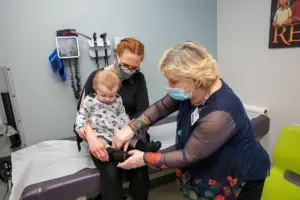
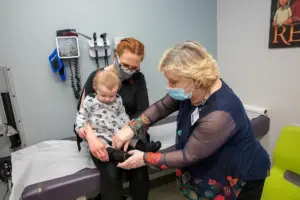






The foundation of lifelong mental health, emotional resilience, and overall well-being is established long before a child ever sets foot in a formal classroom. According to leading developmental experts and organizations such as ZERO TO THREE, the first three years of a human life represent the most critical window of opportunity for shaping future potential. During this rapid developmental phase, a child’s brain produces more than one million neural connections every single second, creating the architectural framework upon which all subsequent learning, behavior, and health depend.

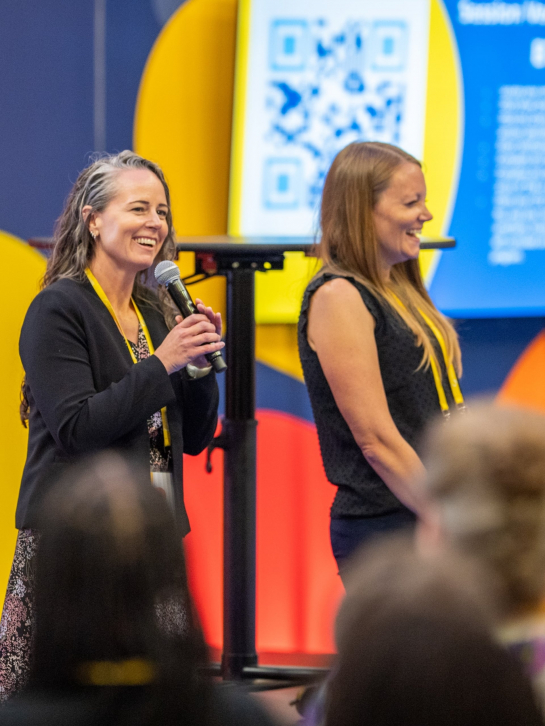
Recognizing the urgent need to support the parents, caregivers, professionals, and policymakers who shoulder the responsibility of guiding infants and toddlers through these formative years, organizations across the early childhood sector are mobilizing. Central to this ongoing national effort is the upcoming ZERO TO THREE LEARN Conference 2026, scheduled to take place in Portland, Oregon, on October 27, 2026. Designed as a premier gathering for professionals in early learning, healthcare, mental health services, and family support, the conference aims to provide practical strategies, fresh insights, and meaningful connections to strengthen professional growth and improve outcomes for young children.
Understanding the Foundation of Early Childhood Development
Understanding the intricate milestones of early childhood development is crucial for helping caregivers mold babies and toddlers into emotionally healthy, resilient individuals. Experts emphasize that early experiences directly wire the developing brain, meaning that positive, nurturing interactions build strong neural pathways, while chronic stress, trauma, or neglect can disrupt healthy architecture.
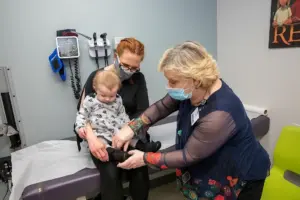

To bridge the gap between complex neuroscientific research and everyday parenting, organizations provide comprehensive community care resources, research-based tips, and practical tools for effective parenting. These resources are designed to help families navigate the daily challenges of raising infants and toddlers, ensuring that children receive the emotional security and cognitive stimulation necessary during their first 1,000 days of life. Supporting a child during this foundational period is widely recognized as an investment that yields lifelong dividends.

Empowering Professionals Across Disciplines
The ecosystem surrounding an infant or toddler extends far beyond the immediate family, involving a vast network of professionals dedicated to health, education, and social support. To ensure these service providers are fully equipped to meet the complex needs of young children, comprehensive training programs and early childhood resources have become indispensable.

Professionals across early learning, pediatric healthcare, mental health services, and family support systems rely on specialized conferences, targeted training sessions, and free webinars to deepen their understanding of childhood development. By translating research into actionable practices, these professional development initiatives strengthen the capacity of the workforce to serve young children and families more effectively. Whether through specialized curricula like "Word Wonders"—a free early language and literacy curriculum that teaches language through everyday play—or through guidance on observational techniques like parallel play, professionals are continuously finding new ways to foster healthy development in community settings.

Navigating Modern Challenges: Technology, Strain, and Policy
While foundational developmental principles remain constant, modern families and early childhood educators face unprecedented contemporary challenges. Recent national reports, such as the alarming snapshot provided by the 2025 data in Rattled: Babies, Families and a Year of Growing Strain, reveal a troubling reality for households across the country. Economic pressure, emotional distress, and systemic uncertainty intensified significantly over the past year, even as families fought tirelessly to provide stability and love for their babies.

Compounding these economic and emotional pressures are rapidly evolving technological disruptions, particularly the integration of artificial intelligence into daily life and early learning environments. Publications and advisory frameworks, such as the Go, Slow, Stop: A Guide to AI in Early Childhood, seek to help educators and parents navigate when to embrace technology, when to slow down, and when to halt its use entirely in the presence of young children. Furthermore, the persistent societal challenges of gun violence and community trauma mean that families and young children increasingly require specialized trauma-informed mental health support.

At the systemic level, structural issues continue to threaten the stability of the entire early childhood sector. Advocates frequently point to the deepening crisis described as "The Child Care Paradox," wherein families are forced to pay more than they can reasonably afford for child care, while the educators who make that care possible remain among the lowest-paid workers in the nation. This unsustainable dynamic leads to squeezed household budgets, closing programs, and children caught in the middle of a fracturing infrastructure.

Advocacy, Mental Health, and National Priorities
Addressing these systemic flaws requires robust public policy engagement and legislative advocacy. Leading child advocacy groups actively engage with policymakers, researchers, and state legislators to influence legislation related to early childhood education, child welfare, and sustainable child care solutions. By highlighting state-level legislative highlights and championing initiatives that prioritize infants and toddlers in public policy decisions, advocates work tirelessly to ensure that the youngest members of society are not overlooked by lawmakers.

Simultaneously, the early childhood field places a renewed emphasis on infant and early childhood mental health. Contrary to outdated misconceptions, babies and toddlers can—and frequently do—suffer from mental health struggles driven by trauma, neglect, biological vulnerabilities, or environmental instability. Providing specialized resources, training, and emotional guidelines helps parents, caregivers, and clinicians identify early warning signs and nurture emotional well-being from infancy onward. Initiatives like home visiting programs, championed by clinical leaders in the field, further reinforce these efforts by building trusted relationships, addressing complex family needs, and strengthening the local systems of care that surround vulnerable households.

As the early childhood community looks toward upcoming gatherings like the LEARN Conference 2026—with featured sessions exploring everything from trauma-informed practices and nature-based healing to the thoughtful design of infant classrooms—the collective call to action remains clear. Whether through professional participation, community leadership, local advocacy, or philanthropic support, stakeholders across the nation are urged to recognize that giving every infant and toddler a strong start in life is a shared national priority that determines the trajectory of future generations.