








WASHINGTON, DC — ZERO TO THREE, the nation’s leading early childhood development nonprofit dedicated to ensuring that all infants and toddlers have a strong and healthy start in life, has expressed strong encouragement regarding President Biden’s proposed fiscal year 2025 budget. The organization highlighted that the federal spending plan incorporates essential and much-needed funding for programs designed to build a solid foundation for young children and families across the United States.
According to leadership at the prominent early childhood advocacy organization, the newly released budget takes vital steps toward addressing the holistic needs of America’s youngest population. By aligning federal investments with critical developmental windows, the proposal seeks to tackle systemic challenges that impact early childhood well-being, family stability, and long-term societal health.
The announcement comes as child development experts, policy analysts, and advocacy groups continue to evaluate the wide-ranging implications of the federal budget proposal for fiscal year 2025. With early childhood development recognized increasingly as a cornerstone of public health and economic vitality, the inclusion of targeted funding streams has drawn significant attention from lawmakers and community leaders alike.

A Vision for a Fairer Nation for Families
Miriam Calderón, Chief Policy Officer at ZERO TO THREE, emphasized the profound impact the proposed federal investments could have on the daily lives of parents and infants if successfully translated into law by Congress.
“If implemented, President Biden’s budget released today will make our nation a better and fairer nation to have and raise a baby,” said Calderón. “ZERO TO THREE has urged Congress and the Administration to prioritize the needs of babies and their families in five key areas: maternal health, infant and early childhood mental health, child care, housing, and economic security.”
Calderón noted that the administration’s legislative and budgetary priorities build directly upon themes articulated during recent national addresses, offering a clear roadmap for supporting families during the most critical developmental stages of a child’s life.
“In last week’s State of the Union address, the President laid out a path toward a future where families are empowered and have choices about their baby’s future,” Calderón continued. “This proposed budget expands on this vision with proposals that address all facets of young children’s development.”
Addressing the Five Core Pillars of Early Childhood Well-Being
The advocacy platform maintained by ZERO TO THREE underscores that an effective national strategy for infants and toddlers must be comprehensive. The organization’s framework focuses heavily on five interconnected areas that directly shape a child’s early environment and developmental trajectory: maternal health, infant and early childhood mental health, child care availability and affordability, stable housing, and broad economic security for households with young children.

Maternal health remains a foundational concern for early childhood advocates, given the well-documented link between maternal well-being and infant health outcomes. Investments aimed at reducing maternal mortality rates, expanding access to prenatal and postpartum care, and addressing racial disparities in health outcomes are viewed as critical components of any comprehensive early childhood budget.
Similarly, infant and early childhood mental health initiatives provide essential support for identifying and addressing emotional, behavioral, and developmental challenges during the earliest years of life, when interventions are most effective. By supporting mental health consultation and therapeutic services in early learning environments and pediatric settings, federal programs can help mitigate the impacts of early trauma and stress.
Child care infrastructure represents another major pillar of the federal budget discussion. Affordable, high-quality child care allows parents to maintain employment and financial stability while ensuring that young children receive nurturing, stimulating care that fosters cognitive and social development during a period of rapid brain growth.
Furthermore, housing stability and economic security—bolstered by targeted tax credits, nutrition assistance, and income supports—directly shield infants and toddlers from the detrimental effects of poverty, which can disrupt healthy neurological development and create long-lasting disparities.

The Path Forward in Congress
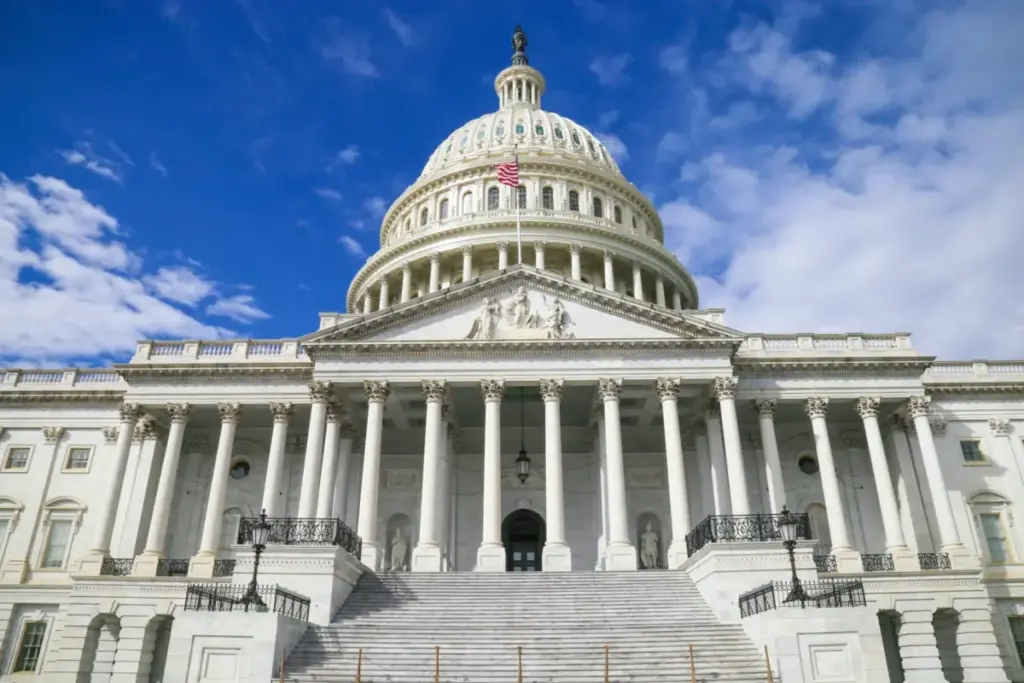
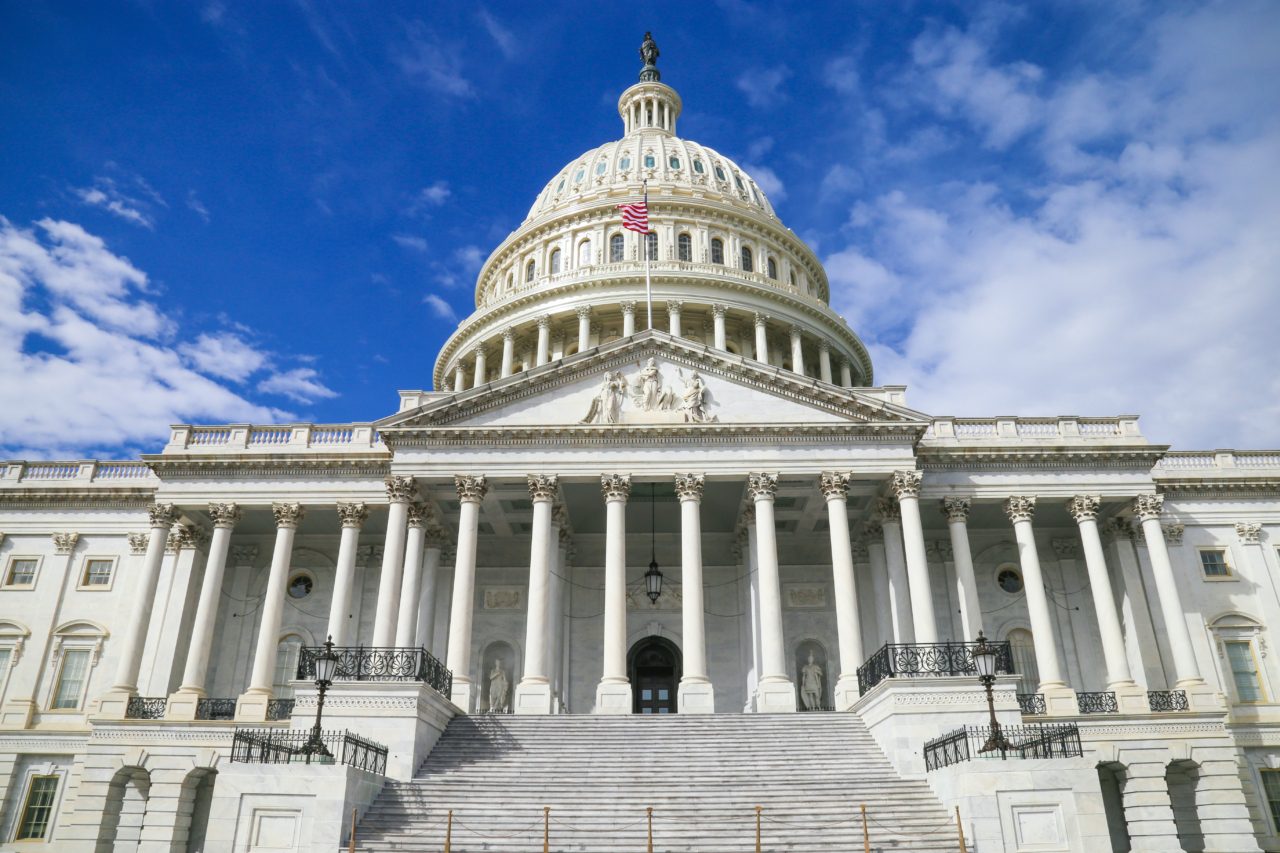
With the release of the President’s fiscal year 2025 budget blueprint, the legislative process now shifts to Capitol Hill, where lawmakers in the House of Representatives and the Senate will begin the complex work of drafting and negotiating federal appropriations bills.
Advocacy organizations like ZERO TO THREE are preparing to engage extensively with congressional committees and individual lawmakers to champion the inclusion of these early childhood provisions in the final spending packages. The emphasis is on building bipartisan awareness of the unique economic and developmental needs of infants and toddlers, who cannot advocate for themselves and rely entirely on the policy decisions made by adult leaders.
“Now, Congress must work with the Administration to deliver for families and babies,” Calderón emphasized, underscoring the urgency of the legislative task ahead. “We look forward to working with Congressional appropriators and our baby champions on the Hill to make these bold proposals a reality.”
As the budget debate unfolds in Washington, stakeholders across the early childhood sector will continue to monitor developments closely, advocating for sustained investments that safeguard the health, security, and potential of the nation’s youngest citizens.