








In an era defined by the rapid evolution of global health crises, the World Health Organization (WHO) has officially unveiled the "SCORE for Health Data Technical Package." This initiative represents a comprehensive, centralized effort to strengthen the foundational health information systems that underpin every nation’s ability to monitor, respond to, and mitigate disease outbreaks. The launch, occurring against the backdrop of the ongoing COVID-19 pandemic, underscores a critical reality: the effectiveness of any national health strategy is inherently tied to the quality and availability of the data driving it.
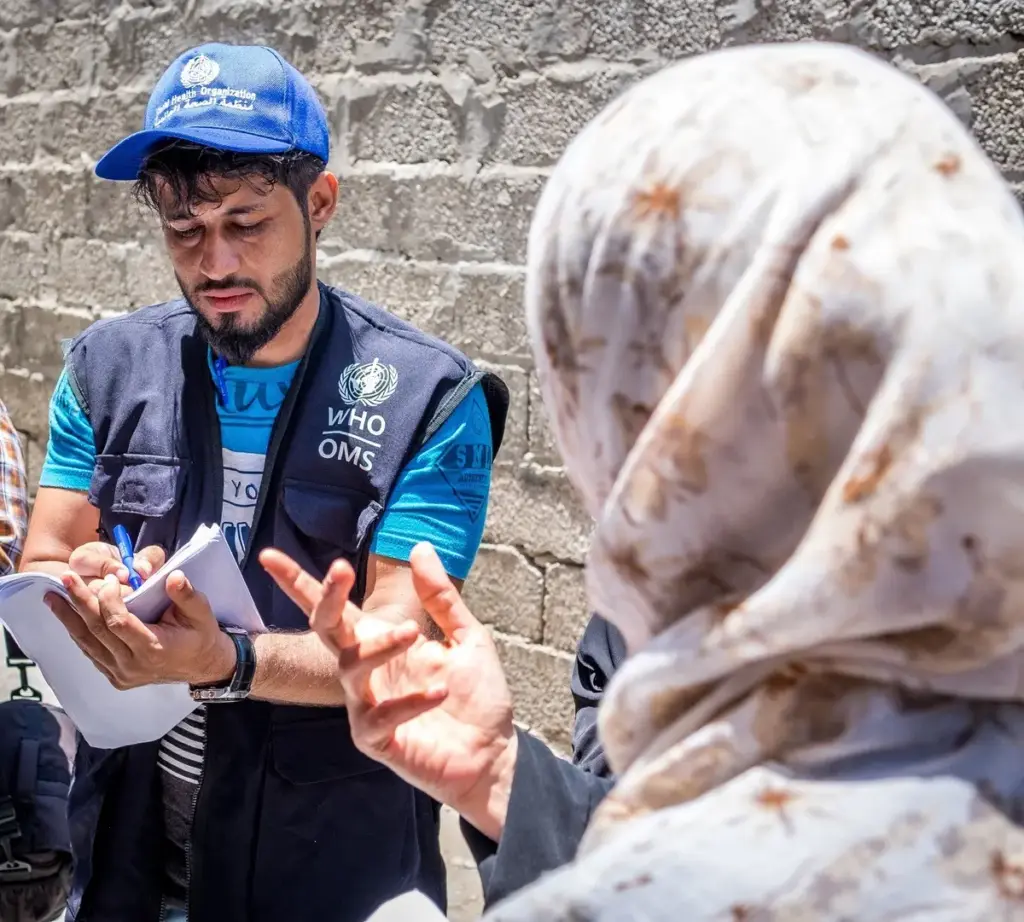
The pandemic has acted as a global stress test for health infrastructure, exposing significant vulnerabilities in how countries track, report, and utilize health information. As the WHO notes, while some nations possess robust digital architectures, far too many continue to struggle with a lack of basic infrastructure for gathering routine health data. Furthermore, even where data is collected, many countries report a deficit in the analytical capacity required to transform that raw information into actionable health policies or emergency interventions.
"Countries must be able to measure progress to make progress," said WHO Director-General Dr. Tedros Adhanom Ghebreyesus. "Particularly during COVID-19, reliable data is the best way to coordinate response efforts and improve health in all areas."
The logic behind the initiative is straightforward yet profound: accurate health data serves as the compass for public health. Without it, governments are essentially operating in the dark, unable to determine where scarce medical resources—such as personal protective equipment, ventilators, or vaccine supplies—are most needed. By improving the precision of health data, the WHO aims to ensure that life-saving interventions reach the communities that need them most, rather than being distributed based on guesswork or incomplete information.
Bridging the Global Data Divide: What is SCORE?
The acronym "SCORE" stands for Survey, Count, Optimize, Review, and Enable. This technical package is designed to provide governments with a harmonized, all-in-one suite of tools to elevate the performance of their health information systems. For the first time, the WHO has consolidated the key elements required for data optimization into a single, cohesive framework. The goal is to assist governments globally in setting standardized benchmarks and improving the overall quality of care within their respective borders.
The necessity for this framework was underscored by the findings in the WHO’s World Health Statistics 2020 report, which highlighted pervasive gaps in data availability across several regions. In response, the SCORE package integrates more than 90 universally accepted tools and standards. These standards are not merely theoretical; they are practical instruments intended to guide national governments in the long-term strengthening of their statistical systems.
The development of the package has been bolstered by a strategic partnership with the Bloomberg Philanthropies Data for Health Initiative, which provided the necessary funding and support. "Using data to inform public health priorities and strategies has never been more important," said Dr. Kelly Henning, Director of Public Health Programs at Bloomberg Philanthropies. "The SCORE Technical Package provides country governments around the world with high-quality, essential technical guidance so that countries can strengthen their own data systems."
Translating Data into Action
The importance of this initiative lies in its real-world application. By fostering systems that prioritize timely, reliable, and validated information, the WHO hopes to move toward a model of "data-informed" governance. This shift is essential for meeting the Sustainable Development Goals (SDGs) and the ambitious "Triple Billion" targets—a set of strategic goals intended to ensure one billion more people benefit from universal health coverage, one billion more are better protected from health emergencies, and one billion more enjoy better health and well-being.
Dr. Samira Asma, Assistant Director-General for Data, Analytics and Delivery for Impact at the WHO, emphasized the urgency of this mission. "We must keep score to save lives," she stated. "WHO is committed to working with countries and partners to rapidly scale up capacity for data collection and use in order to improve policy and performance. We must act now to invest in statistical systems in countries, respond to this pandemic and meet the SDGs and the Triple Billion targets. Our window of opportunity is closing, and we cannot wait to address data gaps. Data use to address country needs has to be a priority today."
For countries, the transition toward more resilient health systems will require a shift toward "country-owned, disaggregated data." Disaggregated data—which breaks down information by age, sex, location, and other demographic factors—is vital for identifying health inequities. Without such granularity, public health interventions often miss the most vulnerable segments of the population. The COVID-19 pandemic has served as a "wake-up call" in this regard, revealing that aggregate national data can mask the devastating impacts of a virus on specific, marginalized communities.
A Path Toward Resilient Health Systems
The introduction of the SCORE package is presented by the WHO as both a response to the current crisis and a roadmap for building back better. The agency posits that the post-pandemic recovery period offers a unique window to foster international solidarity and collaboration through the sharing of standardized information. Because the SCORE framework is designed to be practical, actionable, and flexible, it can be adapted to the specific needs of diverse countries, regardless of their current level of digital development.
The WHO’s commitment to this project is long-term. While the current release provides the foundational tools, future components of the SCORE Technical Package are scheduled to be released later this year. These will include the "SCORE Assessment Instrument," which will allow nations to evaluate their own systems against the new benchmarks, as well as a series of global, regional, and country-level status reports.
These forthcoming resources are designed to offer a complete, end-to-end package of information. By integrating these tools, national and local governments will be able to plan for their specific health priorities, monitor their progress over time, and hold themselves accountable to global health targets. The expectation is that this systematic approach will reduce the fragmentation that currently plagues global health reporting, replacing it with a standardized language of health data that can be understood and utilized by policy makers, health workers, and international partners alike.
Ultimately, the SCORE initiative reflects a broader realization within the global health community: the ability to handle the next pandemic depends on the infrastructure built today. As the WHO continues its work with international partners, the focus remains on transforming the way data is perceived—moving away from seeing it as a bureaucratic requirement and toward viewing it as a core component of essential health services. Through the implementation of these shared standards and tools, the organization hopes to foster a culture of data-driven decision-making that saves lives, strengthens national health systems, and ensures that the world is better prepared for the health challenges of the future.