







WASHINGTON, DC — ZERO TO THREE, the nation’s leading early childhood development nonprofit dedicated to ensuring that all infants and toddlers have a strong and healthy start in life, has expressed strong encouragement following the release of President Biden’s proposed fiscal year 2025 budget. The organization highlighted that the federal spending blueprint incorporates essential and long-overdue funding for programs designed to build a robust foundation for young children and families across the United States.
According to the advocacy group, the proposed federal investments align closely with the critical priorities required to foster healthy development during the earliest years of life. By targeting key structural components of family and child welfare, the administration’s budget proposal addresses multiple layers of early childhood infrastructure that experts have long argued are underfunded and overburdened.
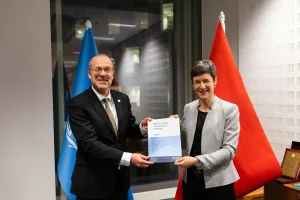
Miriam Calderón, Chief Policy Officer at ZERO TO THREE, emphasized the profound impact the budget could have on families nationwide if it is successfully translated into legislation by Congress.
"If implemented, President Biden’s budget released today will make our nation a better and fairer nation to have and raise a baby," said Calderón. "ZERO TO THREE has urged Congress and the Administration to prioritize the needs of babies and their families in five key areas: maternal health, infant and early childhood mental health, child care, housing, and economic security."
Calderón noted that the newly proposed budget builds directly upon the strategic vision outlined by the President during his State of the Union address just a week prior. In that address, the administration laid out a path toward a future where families are empowered and afforded meaningful choices regarding their children’s upbringing and long-term well-being. This proposed federal budget expands upon that foundational vision by introducing concrete measures that address virtually every facet of infant and toddler development.

For years, child development specialists, pediatricians, and economists have pointed to the earliest months and years of a human life as the most critical window for cognitive, emotional, and physical growth. Experiences during this formative period shape brain architecture and lay the groundwork for lifelong health, learning, and emotional resilience. Consequently, early childhood advocates view federal budget negotiations not merely as fiscal exercises, but as critical moral and economic commitments to the next generation.
The proposed budget aims to tackle persistent challenges facing young families, including the ongoing maternal mortality crisis, limited access to high-quality and affordable child care, the growing strain on infant and early childhood mental health systems, and pervasive economic and housing instability. By weaving these priorities into a cohesive federal strategy, the administration’s proposal seeks to alleviate the systemic pressures that too often compromise the health and stability of households with infants and toddlers.
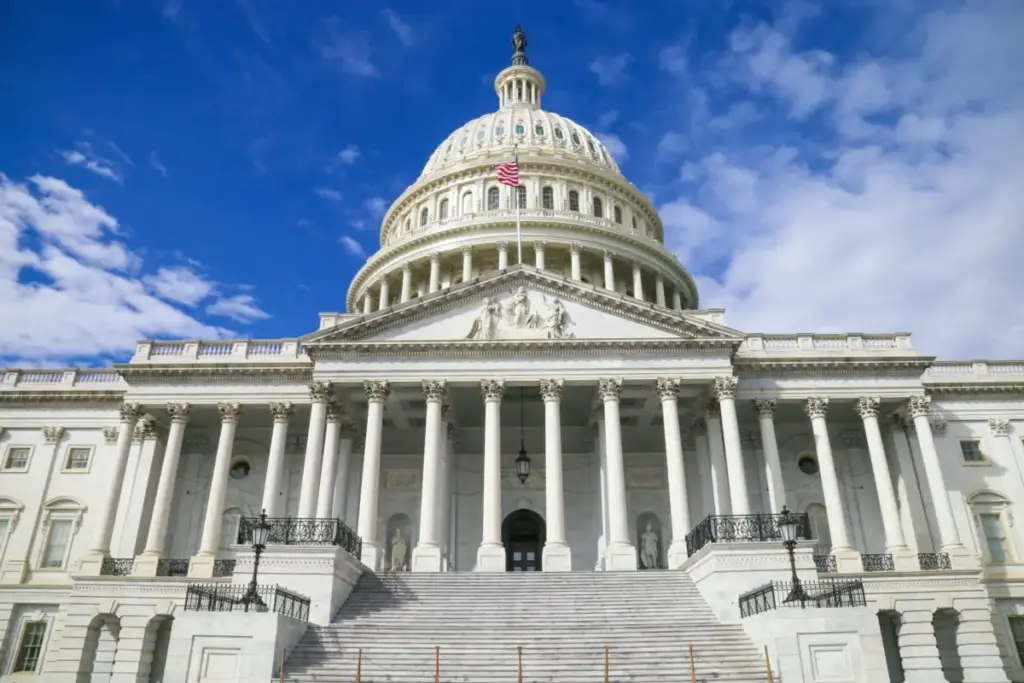
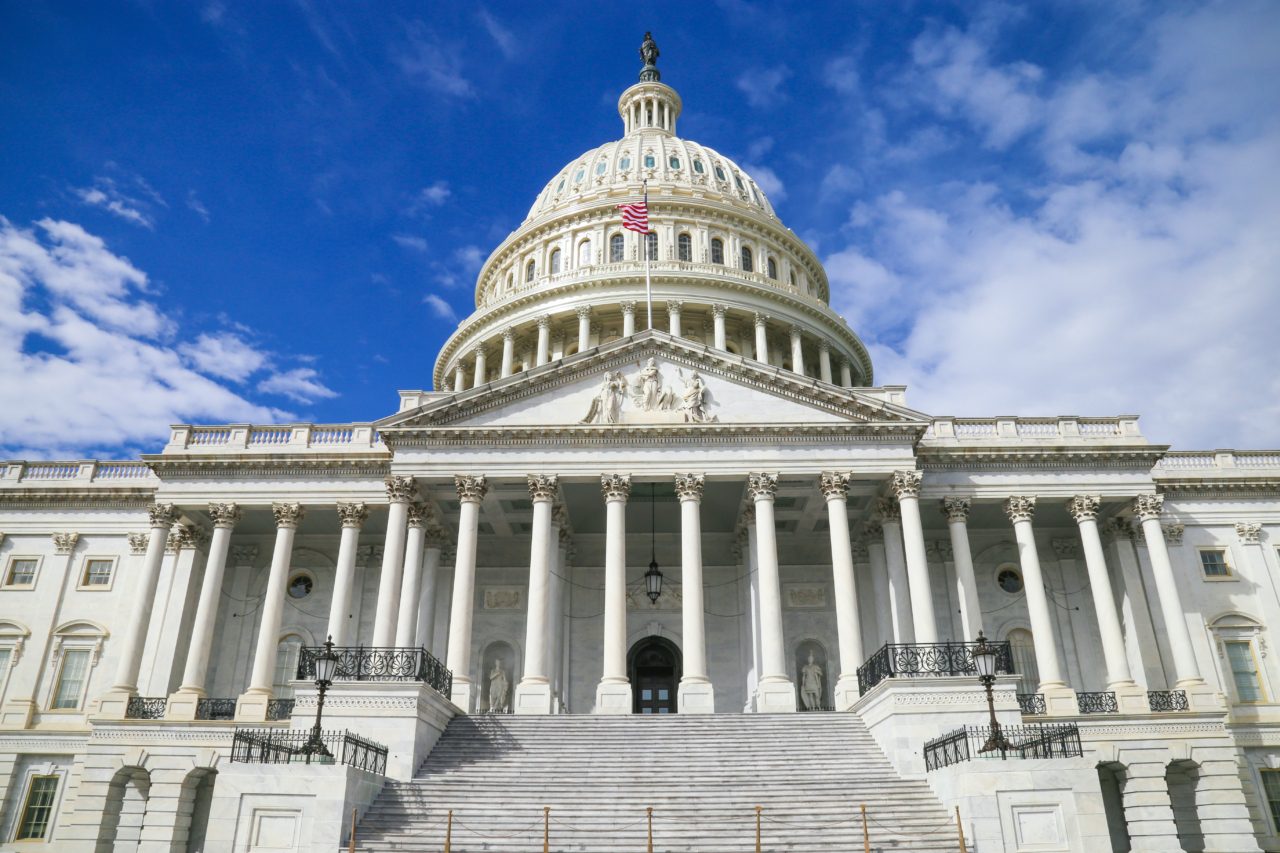
With the release of the budget blueprint now complete, the focus shifts decisively from the executive branch to Capitol Hill, where federal lawmakers must navigate the complex appropriations process. ZERO TO THREE and its network of early childhood advocates are preparing to engage directly with congressional leaders to ensure that the vital provisions for babies and families remain intact as the legislative debates unfold.

"Now, Congress must work with the Administration to deliver for families and babies," Calderón continued. "We look forward to working with Congressional appropriators and our baby champions on the Hill to make these bold proposals a reality."
As the legislative session progresses, the fate of these proposed investments will depend heavily on bipartisan cooperation and sustained advocacy from child welfare organizations, community leaders, and concerned citizens nationwide who believe that supporting our youngest children is an essential investment in the country’s collective future.