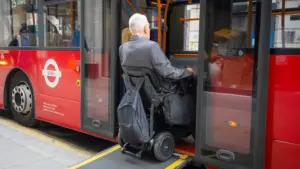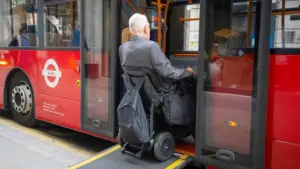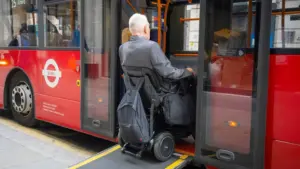









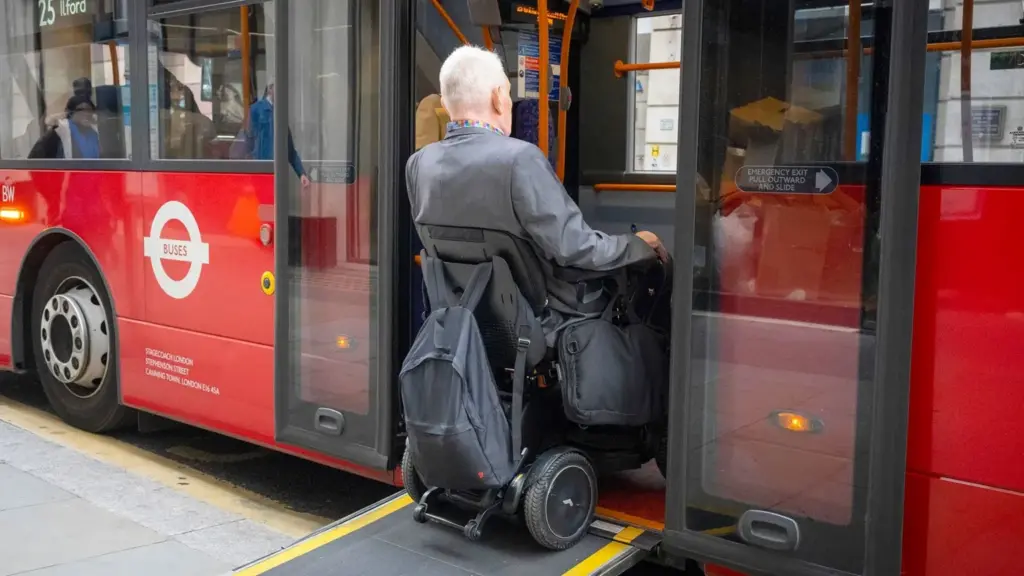
LONDON — Starting April 1, disabled people across England will be able to travel by bus for free at any time of day, marking a monumental shift in the country’s public transportation accessibility. Previously, the entitlement to free bus passes was strictly restricted to off-peak hours on weekdays—specifically limited to the window between 09:30 and 23:00. This temporal constraint created significant logistical hurdles for pass holders trying to maintain standard morning work schedules, arrive punctually at early appointments, or safely attend late-night cultural and social events.
The complete removal of these time limits will benefit an estimated one million people nationwide, transforming the concessionary bus pass from a restricted daytime convenience into a true full-time lifeline. By unlocking round-the-clock mobility, the policy aims to remove fundamental barriers that have long prevented disabled citizens from fully participating in the modern workforce, education, and community life.
The sweeping policy follows a highly successful trial period within Greater Manchester’s integrated "Bee Network," which demonstrated the operational feasibility and profound social benefits of all-hours concessionary travel. Furthermore, the nationwide rollout directly responds to years of tireless campaigning by prominent disability rights organizations, including Scope and Transport for All. Advocates have widely celebrated the government’s decision for effectively eliminating what they long criticized as an unfair "postcode lottery," where the practical validity, timing, and conditions of travel passes heavily depended on patchwork local council rules.
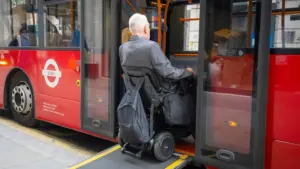
However, while disability advocates have lauded the expansion as a vital victory, organizations emphasize that this reform represents only one critical step in a broader journey. They note that eligibility requirements and administrative processes across various local authority regions still require comprehensive standardization to ensure equitable access for all disabled residents, regardless of where they live.
To secure the permanence of the program, the £60 million scheme is being jointly funded through the Department for Transport and the Department for Work and Pensions. Government officials have framed the major policy reform as an essential workforce participation and cost-of-living initiative. This measure seamlessly joins existing nationwide transit interventions, such as the popular £2 single-fare cap, and successfully brings England into alignment with similar 24/7 concessionary transit programs that have been successfully operating in Scotland and Wales for years.
Global Takeaways: How Other Countries Can Make Accessible Commuting Possible
Making daily commuting genuinely accessible and affordable for disabled citizens requires a sophisticated combination of thoughtful policy design, integrated digital systems, and targeted public infrastructure investment. The UK’s latest transit reform highlights the intricate relationship between legal entitlements and the physical environment necessary to support them.
Why Was the UK Able to Do It?
The ability of the United Kingdom to enact this nationwide shift stems from a mature framework of national concessionary travel laws, combined with concerted pressure from organized civil society and disability advocacy groups. By building upon existing administrative machinery—such as the national bus pass scheme—the government was able to leverage established distribution and verification networks. The successful localized pilot in Greater Manchester’s Bee Network provided empirical evidence that removing time restrictions would not overwhelm transport networks, giving policymakers the financial and political confidence to scale the initiative across the entire country through joint departmental funding.
Does It Depend on Existing Infrastructure?
Yes, heavily. Free transit passes only function effectively if the broader public transport network is both physically and technologically accessible. Concessionary fares are rendered far less impactful if buses lack accessible boarding ramps, clear audio-visual next-stop announcements, or designated wheelchair spaces. Furthermore, seamless travel depends on integrated digital systems, reliable scheduling, and well-maintained transit stops that accommodate passengers with diverse mobility, sensory, and cognitive needs. Without concurrent investments in physical fleet modernization and accessible station infrastructure, free travel policies risk remaining theoretical for significant portions of the disabled community.
What Is Needed to Make Commuting Affordable for People with Disabilities?
Achieving true affordability and accessibility in public transportation requires a holistic strategy anchored by targeted financial support and systemic reform. Governments must commit sustained public funding to subsidize fares, as demonstrated by the joint investment from the Department for Transport and the Department for Work and Pensions. Additionally, policymakers must eliminate regional disparities and inconsistent local regulations to ensure that transit benefits apply equitably across geographic boundaries. Finally, close consultation with disability rights organizations remains crucial to identifying hidden barriers, refining eligibility frameworks, and ensuring that public transit investments directly address the daily realities of disabled commuters.