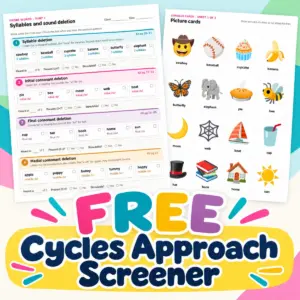










For many speech-language pathologists (SLPs), the daily reality of clinical practice is often defined by a fragmented approach to lesson planning. Professionals frequently find themselves navigating a labyrinth of disparate digital marketplaces, attempting to cobble together cohesive therapy plans from thousands of individual resources. This patchwork method, while often born out of necessity, can lead to burnout, inconsistent outcomes, and a significant drain on the time clinicians should be dedicating to direct patient care. In response to this industry-wide challenge, Speech and Language Kids (SLK) is positioning itself as a transformative force, advocating for a shift toward structured, comprehensive, and evidence-based curricular frameworks.
The core of the SLK initiative centers on the development and implementation of the SLK Curriculum, a program designed to replace the fragmented "resource-hunting" model with a unified, step-by-step methodology. By providing clinicians with organized therapy plans, the organization aims to streamline the clinical process, making the teaching of complex communication skills not only more efficient but demonstrably more effective. For the thousands of SLPs who have already integrated these structured programs into their daily practices, the change represents more than just a logistical upgrade; it signifies a fundamental improvement in their professional satisfaction and their ability to drive positive results for their young clients.
The struggle to find high-quality, cohesive materials is a well-documented pain point within the field of speech-language pathology. With the rise of digital resource-sharing platforms like Teachers Pay Teachers, SLPs have gained access to an unprecedented volume of individual worksheets, games, and activity prompts. However, the sheer volume of these resources creates a secondary problem: the time-intensive process of curation. An SLP may spend hours each week vetting, organizing, and adapting these materials to ensure they align with a child’s specific therapeutic goals. This process is not only inefficient but can also lead to gaps in a student’s long-term progress, as materials may lack the systematic progression required for skill mastery.

Speech and Language Kids has identified this systemic inefficiency as a primary barrier to high-quality care. Their approach is built on the philosophy that clinicians should spend less time acting as instructional designers and more time acting as facilitators of communication. By providing a pre-structured, reliable curriculum, the organization helps bridge the gap between the chaotic reality of clinical preparation and the need for a focused, goal-oriented therapeutic environment. The feedback from the thousands of SLPs currently utilizing the SLK framework suggests that this transition allows for a more personalized approach to care, as the structured nature of the curriculum provides a stable foundation upon which clinicians can build, adapt, and refine their strategies.
Beyond the logistical benefits of improved organization, the movement spearheaded by Speech and Language Kids speaks to a broader need for professional support within the field. Speech-language pathology is a demanding profession that requires a high degree of emotional and intellectual labor. When clinicians feel overwhelmed by the administrative and preparatory demands of their roles, the quality of their engagement with patients can suffer. By fostering a supportive community and offering a structured path forward, SLK has helped create a space where clinicians feel empowered rather than depleted. This sense of community is a critical component of the organization’s mission, reinforcing the idea that effective therapy is a collaborative effort supported by shared knowledge and reliable tools.
However, the organization is clear that its current offerings are merely the beginning of a larger evolution. In an era where technological advancement and evidence-based research are rapidly changing the landscape of speech and language development, stagnation is not an option. Speech and Language Kids has committed itself to a cycle of continuous innovation, actively building and refining new programs designed to better support both the clinicians who utilize their systems and the clients they serve. This commitment to ongoing improvement reflects a deep understanding of the evolving needs of the modern clinical environment. As communication challenges become more nuanced and diverse, the tools required to address them must also become more sophisticated, adaptable, and integrated.
This forward-looking perspective is a hallmark of the organization’s current trajectory. Rather than viewing the curriculum as a static product, SLK treats it as a living framework that responds to real-world outcomes and emerging clinical best practices. The development of new programs is guided by the experiences of the clinicians in the field, ensuring that the innovations are practical, relevant, and impactful. This symbiotic relationship—between the developers of the curriculum and the practitioners on the front lines—is what allows the organization to push the boundaries of what is possible in speech-language therapy.
The ambition to "build the future of speech-language pathology" is a bold one, but it is rooted in the practical necessity of transforming how therapy is delivered. By shifting the focus away from the individual task and toward the comprehensive program, Speech and Language Kids is advocating for a professional standard that prioritizes consistency, clarity, and efficacy. The movement they are building is one that invites clinicians to step away from the stress of constant, unguided preparation and into a system that supports their professional growth and long-term success.
For those within the profession who have felt the weight of the "thousand-resource" burden, this shift represents a significant opportunity. The promise of the SLK model is that by simplifying the administrative and preparatory aspects of the job, clinicians can reclaim their time and energy for what matters most: the actual work of helping children find their voices and navigate the complexities of communication. It is a movement that seeks to redefine the clinical experience, moving it away from the isolation of individual preparation and toward a collaborative, structured, and innovation-driven future.
As the field of speech-language pathology continues to expand, the need for these kinds of solutions will only grow. With an increasing number of children requiring specialized support and a finite number of clinicians to provide it, the efficiency and effectiveness of therapy delivery are more important than ever. The commitment from Speech and Language Kids to continue innovating and supporting the clinical community ensures that they will remain a central player in this ongoing transformation. By inviting more clinicians to join this movement, they are not just offering a set of resources; they are offering a new way to practice, a new way to grow, and a new way to serve the populations that rely on their expertise.
The journey toward a more structured and efficient future for speech-language therapy is ongoing, and it is clear that the integration of comprehensive, evolving curricula will be a cornerstone of that progress. As the organization moves forward with its plans for new programs and expanded support systems, the focus will remain on the dual goal of enhancing clinician satisfaction and optimizing client outcomes. It is a vision for the future of the profession that relies on the strength of its community and the reliability of its tools, and it is a vision that is already proving its value in clinics and therapy rooms across the country. Through this dedication to progress, Speech and Language Kids is not just participating in the evolution of the field—they are actively shaping its trajectory, ensuring that the next generation of therapy is built on a foundation of excellence, support, and continuous, purposeful innovation.