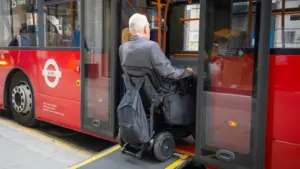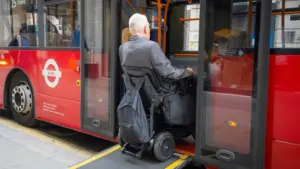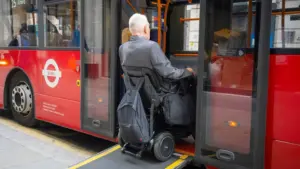









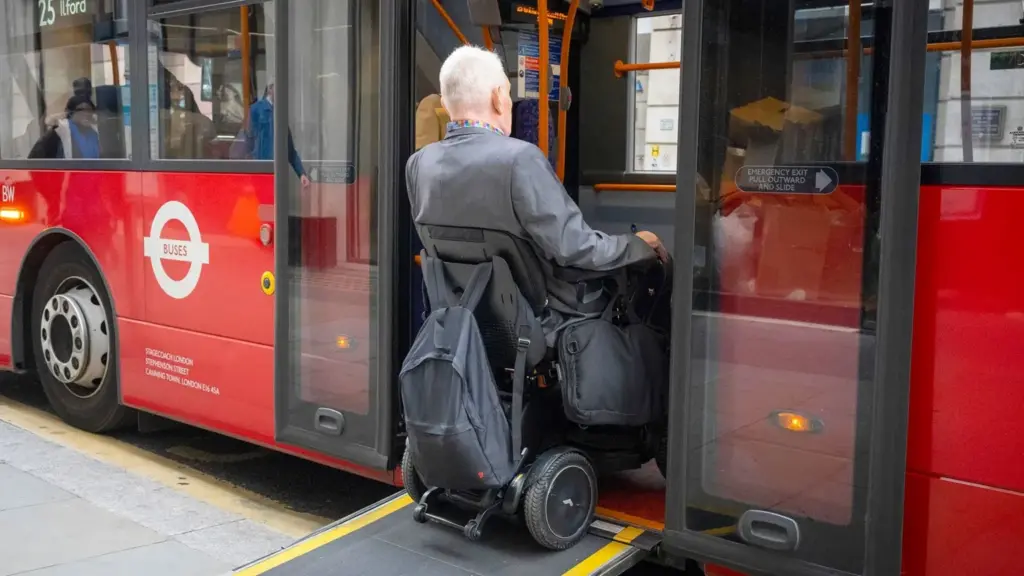
Starting April 1, disabled people across England will be able to travel by bus for free at any time of day, marking a significant milestone in public transit accessibility and equity. Previously, free bus passes were strictly restricted to off-peak hours on weekdays, typically limited to the window between 09:30 and 23:00. This historical time barrier created profound logistical hurdles for pass holders, making it remarkably difficult for them to commute to standard morning jobs, arrive at early appointments, or attend late-night cultural and social events.
The removal of these persistent time limits will directly benefit an estimated one million people nationwide, transforming concessionary bus travel from a restricted daytime convenience into a true full-time lifeline. For countless individuals who rely on public transportation for their daily mobility, employment, and social integration, the policy change removes a major structural barrier that has long hindered full participation in modern economic and civic life.
This progressive policy follows a highly successful trial period implemented within Greater Manchester’s integrated “Bee Network.” The regional pilot demonstrated that removing peak-hour restrictions did not place an unmanageable strain on local transit networks, while providing immense quality-of-life improvements for disabled commuters. Furthermore, the nationwide shift responds directly to years of dedicated campaigning by prominent disability rights organizations, including Scope and Transport for All. Advocates have widely celebrated the government’s move, praising it for eliminating an unfair "postcode lottery" where the validity of a travel pass often depended entirely on local municipal rules rather than national standards.

Despite the widespread celebration, advocacy organizations emphasize that this reform represents only one vital step forward. They note that eligibility requirements across different regions still require broader standardization to ensure that disabled citizens receive equitable treatment regardless of where they happen to reside in the country.
To secure the long-term viability of the program and make the initiative permanent, the £60 million scheme is being jointly funded through the Department for Transport and the Department for Work and Pensions. Government officials are framing the major policy reform as an essential workforce and cost-of-living initiative. This investment aligns with existing national transit measures, such as the nationwide £2 single-fare cap, and successfully brings England into alignment with similar 24/7 concessionary transit programs that have already been operating successfully in Scotland and Wales.
Global Takeaways: How Other Countries Can Make Accessible Commuting Possible
Making daily commuting accessible and affordable for disabled citizens requires a careful and deliberate combination of advanced policy design, reliable digital systems, and targeted public investment. As nations around the world look for effective models to improve public infrastructure, the recent policy shift in England offers important insights into how governments can dismantle systemic barriers in public transportation.
Why Was the UK Able to Do It?
The ability to implement a nationwide, 24/7 free transit program stems from a combination of sustained political pressure, collaborative policy trials, and cross-departmental financial backing. By bridging resources between the Department for Transport and the Department for Work and Pensions, the government created a sustainable funding model backed by a substantial £60 million investment. This financial commitment was heavily reinforced by years of advocacy from national disability organizations and the empirical success of regional pilot programs, such as Greater Manchester’s Bee Network, which proved that removing time restrictions was operationally feasible and socially impactful.
Does It Depend on Existing Infrastructure?
Yes, heavily. Free transit passes only work if the public transport network is physically and technologically accessible. A free ticket holds little value if a commuter cannot physically board the vehicle, navigate the station, or access real-time schedule information. Implementing comprehensive fare-free policies requires concurrent investments in accessible vehicle fleets—such as low-floor buses with functional ramps—alongside standardized digital ticketing systems and clear, multimodal communication channels for passengers with varying sensory or mobility needs. Without these foundational infrastructural elements, expanded pass validity risks leaving behind the very citizens it aims to support.
What Is Needed to Make Commuting Affordable for People with Disabilities?
Achieving true affordability and accessibility in public commuting demands a multifaceted approach from policymakers, transit authorities, and community stakeholders. First, governments must eliminate arbitrary regional disparities, such as local postcode lotteries, to ensure that transit concessions are equitable across the entire nation. Second, financial policies must be paired with structural funding that supports both off-peak and peak-hour travel, enabling disabled individuals to participate fully in the workforce and the economy. Finally, sustained collaboration with disability rights organizations ensures that policy reforms remain responsive to the real-world needs of commuters, bridging the gap between legislative intent and everyday transit experiences.