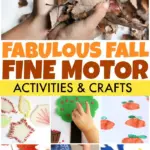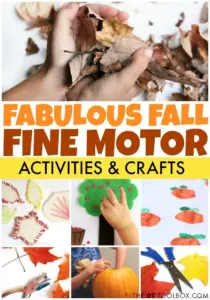







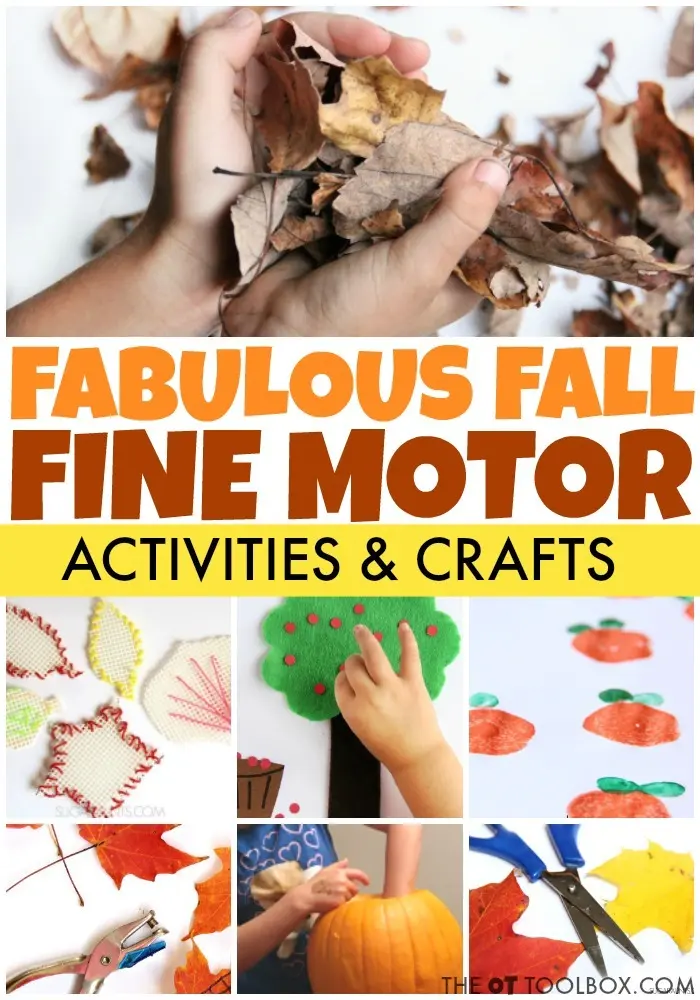
As the autumn air turns crisp, leaves transform into vibrant shades of amber and gold, and pumpkin spice fills the atmosphere, occupational therapists, educators, and parents are discovering innovative ways to integrate seasonal changes into daily developmental practices. Rather than choosing fall-themed activities simply for their festive appeal, professionals are leveraging items like apples, leaves, pumpkins, acorns, and farm materials to target specific, foundational fine motor needs in children.
This seasonal approach provides a comprehensive framework for addressing critical developmental areas such as hand strength, finger dexterity, scissor proficiency, visual motor integration, and handwriting. Many of these autumn-inspired activities naturally address multiple skills simultaneously, allowing educators and therapists to adapt tasks dynamically depending on the specific developmental goals of the child.
The shift toward seasonal sensory integration comes at a time when professionals are continually seeking engaging methods to encourage fine motor development, tripod grasps, and occupational therapy interventions for toddlers and preschoolers alike. By incorporating tactile experiences that celebrate the season, children are more inclined to participate in motor planning and movement exercises that might otherwise feel like tedious repetitive work.
Fall Hand Strength Activities
Hand strength forms the foundation of nearly all fine motor tasks, from writing with a pencil to managing clothing fasteners and opening containers. When children exhibit weak hand strength, therapists often introduce resistive materials that naturally build the intrinsic muscles of the hand.
One such method utilized in therapeutic settings is the apple geoboard. By having children recreate specific apple designs by stretching rubber bands across the pegs of a geoboard, therapists provide targeted resistance to the fingers and hands. This exercise requires precision and controlled release, working hand and finger strength, bilateral coordination, visual motor skills, and motor planning all at once. Practitioners can easily alter the challenge by introducing thicker or more resistant bands, or by simplifying the visual design if the spatial demands prove too difficult.
Play dough remains a timeless staple in occupational therapy, regardless of the season. Its inherently resistive nature allows children to work on specific fine motor positioning, such as pincer grasps, tripod grasps, wrist stability, and arch development. Rolling, squeezing, pinching, and pressing provide varied types of resistance for the small muscles of the hands. Furthermore, the soft and squishy texture of the dough delivers a tactile sensory challenge complemented by proprioceptive feedback. Therapists frequently hide small items within the dough—such as miniature leaves, seasonal erasers, or colored beads—or utilize printable play dough cards to encourage children to shape autumn objects without realizing they are engaging in muscle-strengthening exercises.
Another resource gaining traction in therapeutic and educational settings is the apple hole punch activity. By drawing or printing an apple outline and instructing a child to punch holes around its perimeter, the task demands sustained hand force. Simultaneously, the act of positioning the punch around the curved edge introduces a critical visual motor component.
Enhancing Finger Dexterity and Coordination
Manual dexterity involves utilizing the fingers efficiently to execute small, precise movements. For hands to move in a coordinated manner during fine motor tasks, several distinct systems—including speed, precision, visual motor integration, and strength—must work in harmony. When any of these components break down, manual dexterity is affected.
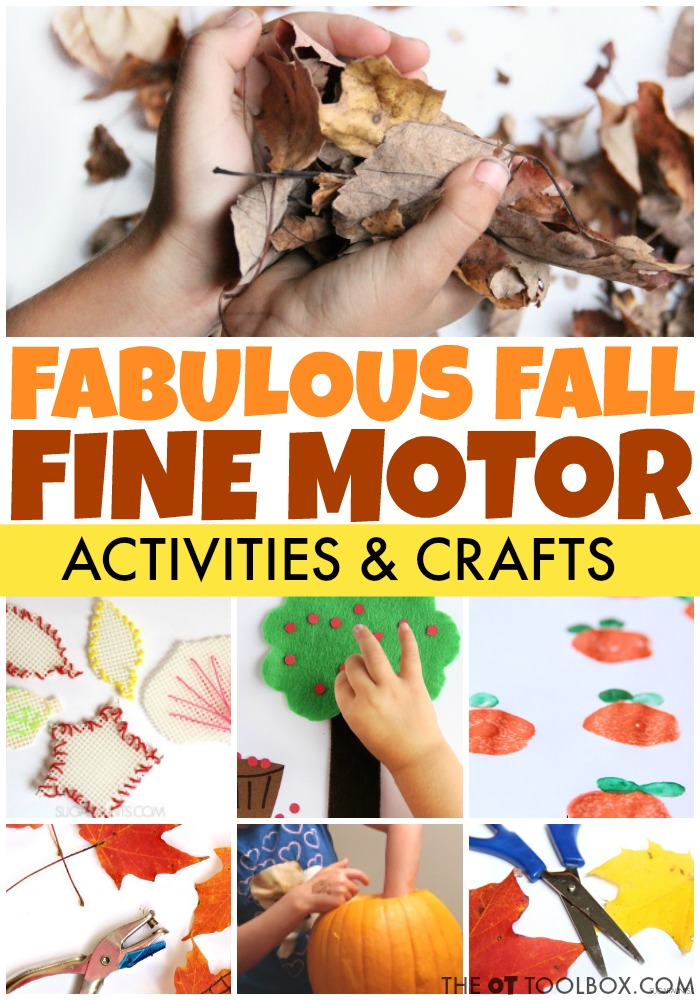
Autumn manipulatives such as craft pom poms, seeds, mini erasers, paper clips, and small craft materials provide versatile opportunities to transform simple seasonal games into sophisticated finger manipulation exercises.
For instance, the fall tree geoboard utilizes rubber bands manipulated around individual pegs. This requires children to use their fingertips to grasp, stretch, reposition, and release the bands with control, encouraging fingertip isolation rather than relying on whole-hand pulling motions. Similarly, apple paper clip counting activities offer a portable, print-and-go method to address multiple fine motor needs. Attaching a precise number of paper clips to laminated apple cards requires exact fingertip movements and bilateral hand use, as one hand must stabilize the card while the other manipulates the clip.
Fall pom-pom transfer exercises further refine these abilities. By utilizing tongs or tweezers to move autumn-colored pom-poms into ice cube trays, muffin tins, or small containers, children practice tool use and precision. Therapists can easily modify the difficulty by changing the size of the pom-poms or the type of grasping tool required.
Scissor Skills and Cut-and-Paste Crafting
Scissor proficiency is another critical milestone that requires the bimanual coordination of two distinct hands performing separate jobs: one hand opens and closes the scissors while the helper hand stabilizes and rotates the paper.
Apple cutting practice pages are frequently utilized to teach children how to cut along designated lines and control their scissors along visual pathways. During these assessments, therapists observe whether children maintain a proper thumb-up position, how well they coordinate bilateral movements, and how accurately they follow the lines.
In regions where colorful foliage is abundant, gathering real leaves for cutting practice offers an engaging alternative. Children can snip leaves into small pieces, cut shapes, or practice line awareness by snipping leaves in half. For environments without natural autumn leaves, paper alternatives provide the same developmental benefits.
Beyond simple cutting, farm-themed and seasonal cut-and-paste crafts elevate the cognitive and physical demands of an activity. These projects require children to cut out pieces, visually determine where they belong, orient them correctly, follow an assembly sequence, and apply glue. This multi-step process successfully addresses scissor skills, bilateral coordination, visual-spatial awareness, sequencing, and direction-following.
Integrating Visual Motor and Handwriting Skills
Fine motor activities are frequently intertwined with visual motor components. A child may possess adequate hand strength and dexterity, yet still struggle when a task requires them to copy a design, follow a line, locate a target, or coordinate visual input with hand movement.
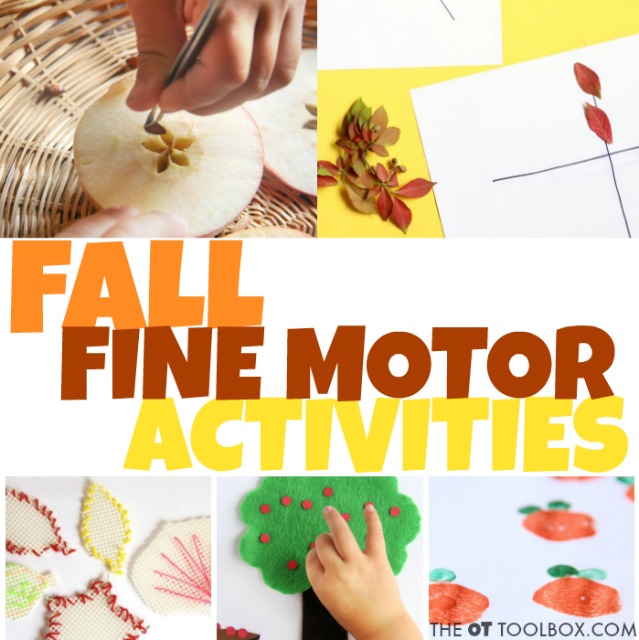
Fall-themed directed drawing pages—featuring acorns, leaves, apples, and pumpkins—require children to observe a visual model, move a pencil or crayon, determine where lines begin and end, and reproduce spatial relationships. Similarly, fall pattern blocks combine fine motor manipulation with visual discrimination and spatial awareness as children identify correct pieces, determine their orientation, and position them relative to others.
Visual scanning and sustained attention are heavily practiced through fall-themed "I Spy" and seek-and-find activities. Therapists often enhance these pages by utilizing cut-out viewing frames to restrict the visual field, followed by a fine motor component where the child circles, covers, or clips each discovered item.
When transitioning to handwriting, professionals often utilize structured writing prompts tailored to different developmental stages. Rather than practicing isolated letters, contextual writing tasks allow educators to focus on specific components such as line awareness, spacing, letter size, formation, and endurance. Emerging writers may focus on writing a single fall word, while beginning, developing, and older students tackle sentences, short responses, or complete paragraphs.
No-Prep and Sensory-Rich Autumn Activities
Many of the most effective fine motor interventions require minimal preparation and utilize items found directly in nature or around the home. Natural materials offer rich sensory and motor opportunities: leaves can be torn, crumpled, punched, cut, sorted, or strung; acorns can be picked up with tongs, sorted, and counted; and discarded items like plastic bread ties can be manipulated to strengthen small hand muscles.
Sensory processing activities, such as crunching autumn leaves, provide significant auditory processing feedback while simultaneously encouraging bilateral coordination, crossing the midline, arch development, and grasp strength. Furthermore, dyeing pumpkin seeds with liquid watercolors engages children in a multi-step preparation process that culminates in scooping, sorting, dropping, and pinching games.
As educators and therapists continue to plan their seasonal sessions, the emphasis remains on utilizing readily available autumn materials to foster essential developmental skills. By transforming seasonal play into targeted occupational therapy, children are better equipped to master the fine motor tasks required for academic success and daily independence.